China Top 10 Best Poultry Feed Suppliers for Global Buyers
Choosing a poultry feed supplier in China involves more than comparing prices. Buyers need consistent nutrient specifications, dependable production, clear documentation, and shipment planning that fits their markets. A formula that works for broilers may not suit layers, breeders, or young chicks. Small differences matter. This guide introduces ten Chinese suppliers for global buyers, considering product range, feed types, manufacturing experience, export communication, and quality-control practices. It is a starting point, not a certification list. Supplier capabilities can change, and public information may not reveal every production detail.
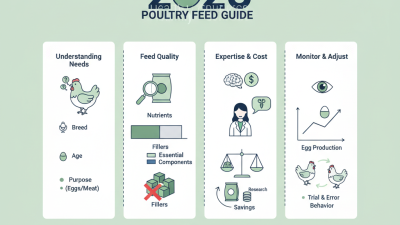
When evaluating the best poultry feed, look beyond a headline protein figure. Ask for a current specification sheet, ingredient details, batch testing information, packaging options, and realistic lead times. Where relevant, request references from buyers with similar bird types and order volumes. Good answers are specific. Vague promises deserve a second look. Feed performance also depends on genetics, farm conditions, storage, and management, so results may vary between operations. Assess each company against your nutritional targets, import requirements, and service expectations. Confirm certifications and documents directly, and consider sample or trial orders where practical. This shortlist can help narrow the field, but the final choice should rest on verifiable evidence and a clear discussion of responsibilities. Some comparisons will remain imperfect because supplier data is not always presented in the same format. That is worth remembering.
Global Poultry Feed Production: 385.4 Million Tonnes in 2023 (Alltech)
A 2023 industry estimate places global poultry feed production at 385.4 million tonnes. The scale is striking. It reflects the daily need to supply farms with consistent nutrition across regions and production systems. For global buyers, this figure offers context, not a guarantee of quality. Feed performance still depends on ingredient balance, manufacturing controls, and the birds’ age and purpose.
China-based suppliers may offer buyers a wide range of feed products and export options. Compare specifications carefully: protein and energy levels, particle size, packaging, and batch documentation all matter. Ask how ingredients are checked and whether recent test results are available. Check that sample products match the stated specification. Delivery schedules also deserve attention, since moisture exposure or long transit can affect feed condition. No checklist removes every uncertainty; that is worth admitting.
Tips
Request a clear product sheet, a recent batch analysis, and a representative sample. Confirm packaging and shipping conditions before placing a large order. Keep trial records on feed intake and bird performance. Small differences matter. Use the results to refine your supplier shortlist rather than relying on price alone.
China’s Feed Industry: 321.6 Million Tonnes Produced in 2023 (CFIA)
China’s feed industry produced 321.6 million tonnes in 2023, according to CFIA. This figure covers total feed production, not poultry feed alone. Still, it points to a substantial manufacturing base, with extensive ingredient sourcing and processing capacity. For global buyers, that scale may offer more supplier choices. It does not guarantee consistent quality. Numbers matter, but production volume is only one part of the picture.
Poultry feed performance depends on formulation, ingredient consistency, storage, and suitable delivery schedules. When comparing suppliers, ask for recent product specifications, batch-level quality records, and clear information about ingredient origins. Request samples for evaluation under your own feeding conditions. Check whether the supplier can explain how it manages changes in raw materials. A polished brochure is not enough. I would also ask how quickly the supplier reports a quality issue; that detail can be overlooked.
Tips: Compare quotations using the same nutrient specifications and delivery terms. Confirm packaging, shelf-life guidance, and testing procedures in writing. Keep a small record of sample results and shipment performance. Imperfect data can still help, but note what has not been verified.
How to Assess China’s Top 10 Poultry Feed Suppliers: Capacity, Quality, and Exports
When comparing China’s top poultry feed suppliers, look beyond advertised annual capacity. Ask how many tonnes each mill produces monthly, and whether output changes during peak demand. A large figure helps, but it says little about consistency. Request recent production records, equipment details, and a clear explanation of how orders are scheduled.
Quality checks should cover more than a product brochure. Review batch-level laboratory reports for protein, moisture, and other declared nutrients. Ask how raw materials are traced and how samples are stored. For practical verification, compare a sealed sample with the specification before placing a large order. A clean audit report is useful, but it is only a snapshot; it cannot guarantee every shipment. Small gaps in documentation deserve follow-up.
Export capability matters just as much as feed quality. Confirm experience serving your destination, typical lead times, packaging options, and the documents provided for each shipment. Ask who handles port coordination and what happens if a delivery is delayed. A supplier may have strong domestic capacity but limited export support. That distinction is easy to miss. Keep the comparison grounded in dated records, verified samples, and direct answers—not polished claims alone.
Profiles of 10 Leading Chinese Poultry Feed Suppliers: Products and Markets
Chinese poultry-feed suppliers serve buyers with different flock sizes, climates, and production systems. Their product ranges commonly include broiler starter, grower, and finisher feeds, plus layer rations and premixes. Some mills focus on complete feeds; others specialize in concentrated formulas or farm-specific nutrition plans. Details matter.
A useful ten-supplier comparison should examine capability, not just catalogue breadth. Look for clear nutrient specifications, batch traceability, and documented quality checks. Ask how suppliers manage ingredient changes and whether they can provide samples for practical evaluation. Pellets should arrive intact, with minimal dust; feed texture affects handling and waste. Export-oriented suppliers may offer packaging and documentation suited to overseas buyers, while regional producers may prioritize nearby farms and faster delivery.
Markets vary. Broiler-focused suppliers serve intensive meat production, while layer specialists formulate for egg output and shell quality. Other suppliers may support breeders or waterfowl, where feeding needs differ. These profiles are not interchangeable. Request recent product sheets, delivery terms, and independent test results before comparing prices. A low quotation can hide freight, storage, or formulation limits. Supplier claims also need checking; a polished catalogue is not proof of consistent performance. That part is easy to overlook.
China Top 10 Best Poultry Feed Suppliers for Global Buyers
Industry context: annual production of all industrial feed in China, not poultry feed alone.
China’s industrial feed production rose from 302.2 million tonnes in 2022 to 321.6 million tonnes in 2023, an increase of about 6.4%. This provides context for the scale of the country’s feed supply industry; it is not a comparison of individual suppliers.
Source: China Feed Industry Association, annual feed industry statistics. Figures are rounded.
Global Buyer Checklist: FAMI-QS, ISO 22000, HACCP, and Import Compliance
Global buyers comparing poultry feed suppliers should treat certificates as evidence, not guarantees. Ask for current documents and confirm that the certified site, product category, and activities match the goods offered. FAMI-QS focuses on feed safety and quality for relevant activities, while ISO 22000 covers a food safety management system. HACCP plans should identify practical controls, such as preventing cross-contact and monitoring moisture. Check the scope.
A polished certificate cannot show how a supplier handles a specific batch. Request traceability records, recent test results, ingredient specifications, and a sample label. Check that batch numbers match across documents. Paperwork can mislead. Even careful buyers can overlook a small mismatch between a product name and its shipping description; reviewing the file line by line is worthwhile.
Import requirements vary by destination and product composition. Confirm applicable registration, labeling, language, testing, and documentation requirements with the relevant authorities or a qualified customs adviser before placing an order. Ask who issues each required document and when it will be available. Keep written confirmation. Requirements may change, and a supplier’s past shipments do not guarantee that the next one will clear without delay. Buyers should record unresolved questions instead of assuming that a familiar certificate covers every market.