Best Poultry Feed Options for Healthy Livestock in 2026?
In 2026, selecting the best poultry feed remains crucial for maintaining healthy livestock. The dynamics of poultry nutrition are evolving rapidly, with new research and innovative products on the market. Farmers must prioritize balanced diets that promote growth, egg production, and disease resistance.
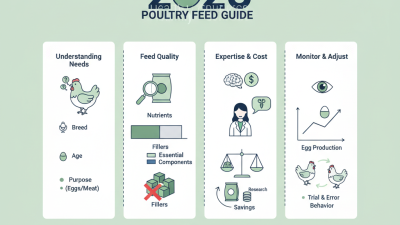
Understanding the nutritional needs of different poultry species is essential. Quality feed contributes to their overall health and productivity. Unfortunately, misinformation often leads to poor feeding choices. This highlights the need for awareness and education among poultry farmers.
Not all feed is created equal. Texture, ingredients, and added nutrients can significantly impact poultry health. Farmers should not rely solely on price when choosing feed. Delving into the ingredients will ensure that they invest wisely. The best poultry feed is not just about cost; it's about the long-term welfare of the birds.
Best Poultry Feed Options: An Overview for 2026
When considering the best poultry feed options for 2026, we must focus on nutrition and sustainability. A balanced diet ensures healthy growth and egg production. Major components include protein, vitamins, and minerals. Protein sources like insects are gaining popularity. They boast high nutritional value and promote eco-friendly practices.
Many farmers are exploring organic feed blends. These blends often contain whole grains, legumes, and plants. However, sourcing quality ingredients can be challenging. Some may find certified organic options more expensive and difficult to access. The trade-off between cost and quality continues to be a pressing issue for many.
Another area of exploration is customized feed formulas. Tailoring feed to specific poultry breeds can enhance results. Yet, this requires careful planning and knowledge of each breed's needs. Understanding the ingredient ratios remains crucial. As the industry evolves, staying informed is vital. The landscape of poultry feed is changing, and adaptability is key to success.
Key Nutritional Components for Poultry Feed in 2026
In 2026, the focus on poultry feed continues to grow. Key nutritional components for poultry feed are essential for promoting healthy livestock. Quality feeds should include proteins, vitamins, minerals, and energy sources.
Protein sources like soybean meal provide the necessary building blocks for growth. Amino acids are crucial for tissue development. Vitamins A and E support immune function, while B vitamins promote energy metabolism. Minerals such as calcium and phosphorus are vital for bone health and egg production.
Tips: Always check the feed label for nutritional values. Mixing different feed types can optimize nutrition. Monitor the livestock's health and adjust the feed accordingly. Consider local availability when sourcing ingredients. Customizing your feed blend may lead to better results, but it requires careful planning. Understanding the specific needs of your poultry will help in selecting the best feed options.
Top Commercial Poultry Feed Brands to Consider in 2026
When selecting poultry feed, quality plays a crucial role in the health of livestock. In 2026, many commercial feed brands are prioritizing nutritional balance. According to a recent industry report, protein content in poultry feed should ideally range between 16% to 24% for optimal growth. High-quality ingredients boost feed efficiency and enhance overall poultry health.
Several brands are gaining attention for their innovative formulations. Some focus on reducing antibiotic use while increasing natural probiotics. These probiotics can benefit gut health, promoting better digestion and nutrient absorption. Research indicates that probiotics may improve feed conversion ratios by up to 12%. In terms of minerals, ensuring adequate calcium and phosphorus is essential for reproduction and bone strength in poultry.
However, not all commercial feed options are suitable for every farm. It’s important to evaluate individual farm needs and local conditions. A report highlighted that the water quality in certain regions can impact feed effectiveness. It’s also necessary to reflect on ingredient sourcing practices. Sustainable sourcing not only supports animal health but also ensures feed reliability in the long term. Assessing these factors can guide farmers toward better poultry feed decisions.
Best Poultry Feed Options for Healthy Livestock in 2026
| Feed Type |
Key Ingredients |
Nutritional Benefits |
Recommended Age Group |
Price Range (per 50 lbs) |
| Starter Feed |
Corn, Soybean Meal, Vitamins |
High protein for growth |
0-3 weeks |
$15 - $20 |
| Grower Feed |
Wheat, Probiotics, Minerals |
Supports muscle development |
3-6 weeks |
$20 - $25 |
| Layer Feed |
Calcium, Phosphorus, Omega-3 |
Enhances egg production |
20+ weeks |
$25 - $30 |
| Finisher Feed |
Barley, Fish Meal, Vitamins |
Promotes weight gain |
6+ weeks |
$30 - $35 |
Innovative Ingredient Alternatives for Poultry Nutrition in 2026
As we look towards 2026, poultry nutrition is evolving. Innovative ingredient alternatives are reshaping the industry. Traditional feed sources are facing challenges, such as sustainability and rising costs. In this context, alternative proteins and novel grains are emerging as key components for healthy poultry diets.
Insects, algae, and fermented products are gaining attention. They provide vital nutrients while reducing environmental impacts. Insect protein, for instance, offers high digestibility and amino acid profiles. Meanwhile, algae serve as rich sources of omega-3 fatty acids, which are essential for poultry health. However, the integration of these ingredients requires careful consideration. Nutritional balance is crucial, and not all alternatives may suit every flock.
Challenges remain in scaling production and ensuring consistent quality. Some farmers might be hesitant to shift from conventional feeds. Education and research play vital roles in overcoming these barriers. Sharing successful case studies can foster confidence in these innovations. Future poultry nutrition holds promising potentials, yet it demands careful exploration and adaptation.
Future Trends in Poultry Feeding Practices and Sustainable Options
In 2026, poultry feeding practices are likely to evolve significantly. Sustainability is becoming crucial. Farmers must focus on local sources for feed. This reduces transportation impact and supports local economies. Integrating insect-based protein into diets is gaining popularity. These alternatives can offer high nutritional value while being environmentally friendly.
Tips: Consider rotating feed types. This can prevent nutrient deficiencies and enhance overall health. Monitor how livestock responds to different feeds. Keep detailed records to identify patterns or issues.
Plant-based feeds are also on the rise. They are accessible and can be produced locally. Some crops offer vital nutrients for poultry. However, reliance on monocultures poses risks. Diversifying feed sources is essential for ensuring resilience.
Tips: Engage with local agricultural experts. They can provide insights on sustainable practices. Join community groups focused on poultry health. Collaborating enhances knowledge-sharing and innovation in feeding strategies.
Best Poultry Feed Options for Healthy Livestock in 2026
This chart illustrates the projected percentage share of different poultry feed options in 2026, highlighting the trends towards more sustainable and health-focused ingredients.