How to Choose the Best Poultry Feed for Optimal Growth?
Choosing the right poultry best feed is crucial for optimal growth in poultry farming. According to a report by the American Feed Industry Association, nutrition accounts for about 70% of poultry production costs. Selecting the correct feed affects not only growth rates but also overall health. High-quality feed can enhance feed conversion ratios, leading to more efficient production.
Poultry rely on a balanced diet to achieve their growth potential. Nutritional deficiencies can lead to stunted growth and increased vulnerability to diseases. Research highlights that specialized feeds can improve growth rates by up to 20%. Understanding the nutrient composition is essential for farmers looking to maximize their output.
The feed market is diverse, with varying formulations available. This variety can be overwhelming. It's vital to consider ingredient quality and sourcing. Not all feeds labeled as "premium" deliver the same results. Reflecting on past feed choices can help in making better decisions. Farmers should prioritize continual learning to adapt to new feeding strategies that support their flock's growth.
Factors to Consider When Selecting Poultry Feed
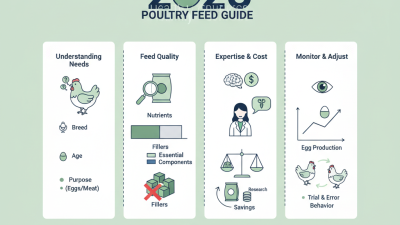
Choosing the right poultry feed is crucial for ensuring optimal growth. Several factors influence this decision. Nutritional content is vital. Look for a balanced diet that includes proteins, carbohydrates, vitamins, and minerals. Each nutrient plays a role in development and health. For example, proteins support muscle growth, while calcium strengthens bones.
The age and type of poultry also matter. Chicks have different needs than broilers or layers. Adjust the feed according to their growth stage. Observe the feeding behavior. If birds are hesitant to eat or appear lethargic, the feed may not be suitable.
Consider sourcing your feed from reliable suppliers. Investigate how ingredients are processed. Freshness impacts nutritional quality. Be wary of feed with artificial additives or fillers. Regularly assess your poultry's health and growth rates. If they are not meeting expectations, reevaluate your feed choice. The goal is a well-balanced diet that supports their specific needs.
Understanding Nutritional Requirements of Different Poultry Species
Understanding the nutritional requirements of different poultry species is crucial for their optimal growth. Chickens, ducks, and turkeys all have unique needs. For example, laying hens require higher calcium for eggshell production, while broilers need more protein for muscle growth.
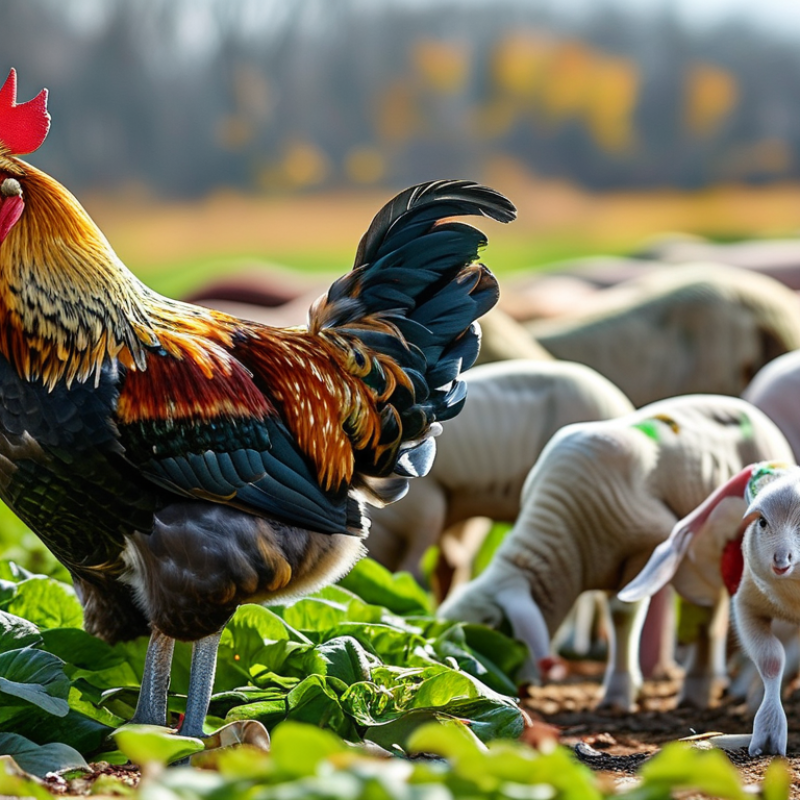
Each species also has varying energy needs. Chickens thrive on a balanced mix of grains and protein sources. Ducks, being waterfowl, benefit from diets rich in green forage. This not only fulfills their nutritional needs but also enhances their natural foraging behavior.
It’s essential to monitor feed intake regularly. Overfeeding can lead to obesity, while underfeeding stunts growth. Assessing the body condition of poultry helps in adjusting diets accordingly. Not all feeds suit every breed, so it's important to tailor nutrition with care. Engaging with animal nutrition specialists can provide valuable insights tailored to specific flock needs.
Types of Poultry Feed: Commercial vs. Homemade Options
When choosing poultry feed, one can opt for commercial or homemade options.
Commercial feeds are widely available and formulated for specific growth stages. They offer convenience and consistency in nutrient content. These feeds are designed by experts, ensuring that poultry receives required vitamins and minerals. However, they may not always suit every farmer’s needs or local conditions.
Homemade options can be tailored to fit unique diets. They allow for greater control over ingredients, often including grains, legumes, and kitchen scraps. This approach can foster creativity and reduce costs. Yet, it requires knowledge of nutritional balances to ensure the poultry thrive. Some may end up making unbalanced rations without proper guidance.
It's important to experiment with different feeds to see what works best while ensuring their health. While homemade feeds may seem more economical, they can sometimes lack the essential nutrients found in commercial products. A balance between convenience and knowledge is essential for optimal poultry growth.
Assessing the Quality and Ingredients of Poultry Feed
Choosing high-quality poultry feed is vital for optimal growth. The ingredients play a crucial role in the health and productivity of birds. According to a recent report by the USDA, a balanced diet can increase poultry growth rates by up to 25%. This emphasizes the need to understand feed composition, including protein, carbohydrates, vitamins, and minerals.
Not all feeds are created equal. Look for feeds with high-quality protein sources, such as soybean meal or fish meal. These provide essential amino acids necessary for muscle development. Ensure that the feed contains enough calcium and phosphorus, which are fundamental for bone health. Moreover, consider the presence of antioxidants like vitamin E, which can support immune function.
**Tip:** Always check the ingredient list. The first ingredients should be recognizable and nutritious.
Feeding practices can greatly affect poultry development. Some farmers overlook the importance of freshness. Old or expired feeds can lead to nutritional deficiencies. Implementing regular quality checks is essential. Adapting feed formulations based on your flock's specific needs can also yield significant improvements in growth and production efficiency.
**Tip:** Keep records of feed performance to make informed adjustments.
Always consult with a poultry nutritionist to tailor the feed based on your flock’s growth stage and health status.
How to Choose the Best Poultry Feed for Optimal Growth?
| Feed Type |
Protein Content (%) |
Fat Content (%) |
Fiber Content (%) |
Vitamin A (IU/kg) |
Minerals (%) |
| Starter Feed |
20 |
5 |
3 |
10,000 |
4 |
| Grower Feed |
18 |
4 |
5 |
8,000 |
4.5 |
| Finisher Feed |
16 |
5 |
6 |
6,000 |
5 |
| Layer Feed |
18 |
4 |
4 |
9,000 |
6 |
Feeding Strategies for Optimal Growth and Health in Poultry
Feeding strategies play a critical role in poultry growth and health. Proper nutrition is essential for optimizing livestock performance. According to industry data, balanced diets can increase growth rates by approximately 20% in broilers. Key nutrients include proteins, vitamins, and minerals. A diet lacking in these areas can lead to stunted growth or health issues.
For young chicks, starter feeds high in protein, around 20-24%, are crucial. This promotes muscle development and overall health. During later growth stages, diets can shift to a grower feed with slightly lower protein content, typically 16-20%. This transition is vital; improper timing can negatively impact growth efficiency. Reports show that nutritional gaps can lead to a significant drop in feed conversion rates, sometimes exceeding 30%.
Hydration also significantly influences feed efficiency and growth. Studies indicate that poultry that have constant access to clean water can consume up to 50% more feed. However, it's often overlooked how environmental factors like temperature affect feed intake. High temperatures can reduce consumption, making it essential to adjust feeding strategies accordingly. Recognizing these dynamics is key to improving overall poultry health and productivity.
Optimal Growth in Poultry Through Feed Selection