Why is Quality Cattle Feed Essential for Livestock Growth?
Quality cattle feed is a vital component for livestock growth and overall health. Dr. James Morgan, a renowned livestock nutritionist, emphasizes, "The right feed makes all the difference in animal productivity." When farmers prioritize high-quality cattle feed, they set a strong foundation for their livestock's development. Good feed enhances nutrient absorption and promotes better weight gain.
Inadequate nutrition can stunt growth and lead to health issues. Farmers often underestimate the impact of feed quality on livestock. The consequences of poor choices can be significant. Animals may suffer from malnutrition, which hinders their potential. Quality cattle feed ensures livestock receive necessary vitamins and minerals for robust health.
Investing in premium cattle feed is not just beneficial; it is essential for sustainable farming. Observing livestock and adjusting feeding strategies can yield positive outcomes. Farmers who take these steps often witness healthier herds and increased productivity. Recognizing the importance of quality cattle feed is a pivotal move for any livestock operation.
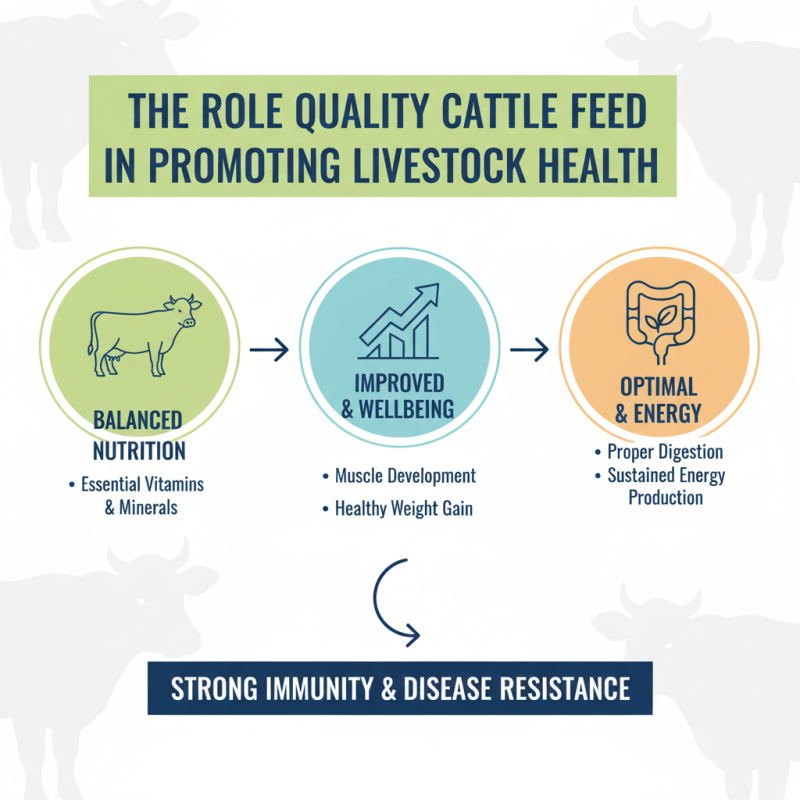
The Role of Quality Cattle Feed in Promoting Livestock Health
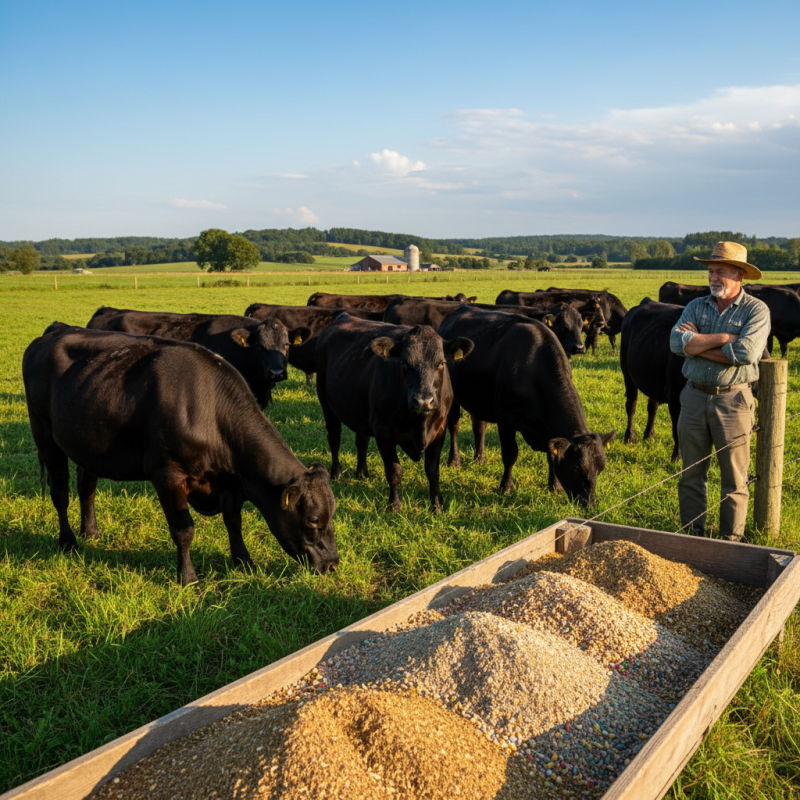
Quality cattle feed is fundamental for the health of livestock. It directly impacts their growth and overall wellbeing. Livestock require balanced nutrition to thrive. High-quality feed ensures they receive essential vitamins and minerals, which facilitate proper digestion and energy production.
Inadequate nutrition can lead to various health issues. Poor feed quality often results in stunted growth and increased susceptibility to diseases. Animals may experience lethargy or abnormal behavior. It's crucial to monitor their dietary intake and adjust accordingly. Observing the livestock's physical condition offers insights into their nutritional needs.
Investing in quality feed is an investment in livestock health. However, it poses challenges; not all suppliers guarantee consistent quality. Farmers must remain vigilant in sourcing reliable feed options. Regular evaluations and adjustments to feeding practices can significantly improve livestock health over time. Understanding these aspects is essential for effective livestock management.
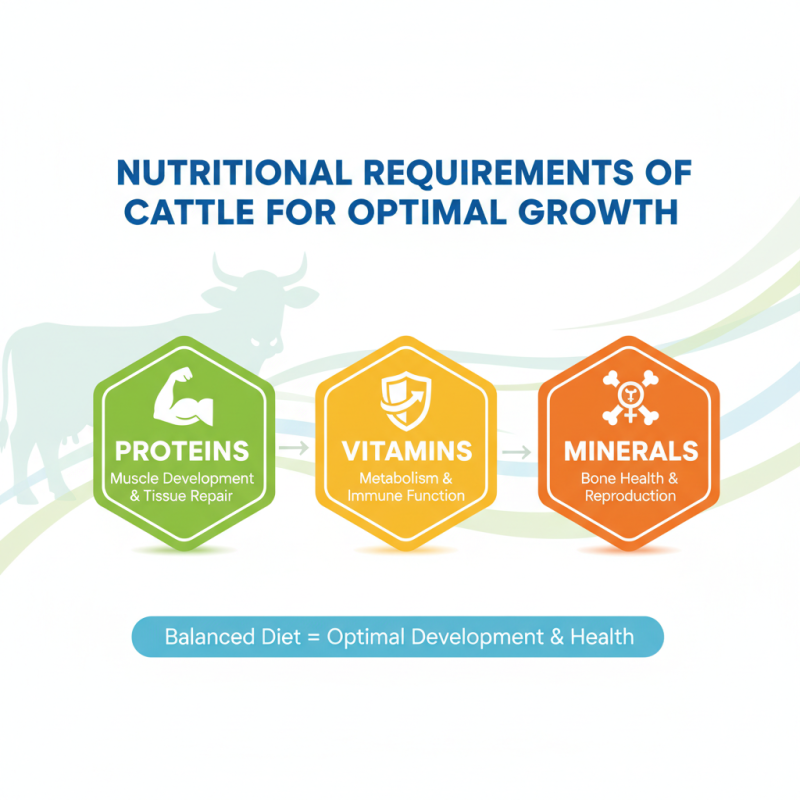
Nutritional Requirements of Cattle for Optimal Growth
Cattle require a balanced diet to support their growth and overall health. Understanding their nutritional needs is essential for optimal development. Key nutrients include proteins, vitamins, and minerals. Proteins are crucial for muscle development and tissue repair. Vitamins play a role in metabolism and immune function. Minerals support bone health and reproduction.
Cattle have specific requirements that vary with age, weight, and breed. For example, young calves need a higher protein intake than mature cows. This can be challenging. Sometimes, the feed isn't rich enough in essential nutrients. Ruminants like cattle rely on forage, making quality hay and grains vital. Poor-quality feed can lead to nutritional deficiencies.
Farmers must monitor their cattle closely. They should adjust feed according to growth stages. Regular assessments can help identify any health issues early. Relying solely on intuition may not be enough. Quality cattle feed is not just about quantity; it's about meeting precise nutritional standards. Properly balancing these elements is key to promoting healthy livestock growth.
Consequences of Poor-Quality Feed on Livestock Development
The quality of cattle feed directly impacts livestock development. Poor-quality feed can lead to various health issues and stunted growth in animals. Malnourished cattle may suffer from weakened immune systems. This can increase vulnerability to diseases and reduce overall productivity. Low-quality feed often lacks essential nutrients, leading to deficiencies. Consequently, livestock may not reach their full growth potential.
Farmers should prioritize a balanced diet for their animals. Fresh, nutritious fodder can enhance their growth and health. Regularly testing feed quality helps identify any deficiencies early. Mixing in supplements can also provide essential vitamins and minerals. Ensure cattle have access to clean water, as hydration is equally important.
Consider monitoring your livestock’s health regularly. Note any changes in behavior or weight. This could signal issues with their diet or health. Ensuring quality feed can reduce long-term costs associated with veterinary care. A proactive approach is necessary for maintaining livestock health and productivity.
Key Ingredients for Formulating High-Quality Cattle Feed
Quality cattle feed is crucial for optimal livestock growth. To achieve this, understanding the key ingredients is vital. A balanced diet can influence overall health, reproduction, and milk production in cattle. Essential components include proteins, carbohydrates, vitamins, and minerals. Each plays a unique role in meeting the nutritional needs of livestock.
Proteins, for instance, are building blocks for muscle development. Ingredients like soybean meal or alfalfa can significantly enhance protein content. Carbohydrates provide energy for daily activities and growth. Common sources include grains and silage. Providing adequate fiber is also important for proper digestion. It helps maintain rumen health, which is often overlooked in feed formulation.
Vitamins and minerals are equally important. They support immune function and reproductive health. Deficiencies can lead to serious health issues. However, achieving the right balance can be tricky. Too much of a good thing may also cause problems. Regular assessment of the feed's composition can guide necessary adjustments. Not every herd is the same, and customization is key to success in cattle nutrition.
Why is Quality Cattle Feed Essential for Livestock Growth? - Key Ingredients for Formulating High-Quality Cattle Feed
| Ingredient |
Role in Growth |
Nutritional Value |
Source |
| Corn |
Energy source for growth |
Max 90% Starch |
Cereal grains |
| Soybean Meal |
Protein source for muscle development |
44-48% Protein |
Oilseed |
| Alfalfa Hay |
Provides fiber and nutrients |
15-20% Protein |
Legume forage |
| Minerals Mix |
Supports various bodily functions |
Calcium, Phosphorus, etc. |
Supplement |
| Molasses |
Enhances palatability and provides energy |
50-60% Sugars |
Sugarcane or Sugarbeet |
Impact of Quality Feed on Meat and Milk Production Efficiency
Quality cattle feed plays a crucial role in livestock growth and productivity. Research indicates that well-formulated feed can enhance meat production by 10-25%. Efficient feed directly influences the growth rate of cattle, leading to faster turnaround for beef production. Additionally, quality feed significantly impacts milk output. Studies show a direct correlation between feed quality and milk yield. A diet rich in essential nutrients can increase milk production by up to 20%.
However, not all feed is equal. Lower quality feed may lead to suboptimal health in cattle, which affects overall efficiencies. Poor feed can result in a 15% drop in milk production. Moreover, inconsistent quality can lead farmers to spend more on veterinary care and supplements. Achieving a balance in nutrition is essential. Cattle thrive when their diet includes the right proportions of proteins, vitamins, and minerals.
The importance of monitoring feeding practices cannot be overstated. Data from industry reports suggest that a well-structured feeding regimen might reduce feed waste by 30%. By focusing on quality and efficiency, farmers can improve their livestock's productivity while ensuring animal welfare. Investing in quality cattle feed is not merely a cost but a vital strategy for sustainable livestock farming.