Top Animal Feed Tips for Global Buyers to Consider
In the ever-evolving landscape of animal feed, global buyers must navigate a complex market. The animal feed sector is valued at approximately USD 420 billion as of 2022, according to a market research report by Grand View Research. This growth is influenced by increasing livestock production and changing dietary needs. As sustainable practices gain traction, the demand for nutrient-rich animal feed is rising.
However, not all buyers are equipped to make informed decisions. Misunderstandings in feed components can lead to inefficiencies. For example, recent studies from the Food and Agriculture Organization indicate that protein quality directly impacts livestock health and productivity. Ignoring these factors can result in significant economic losses for farmers.
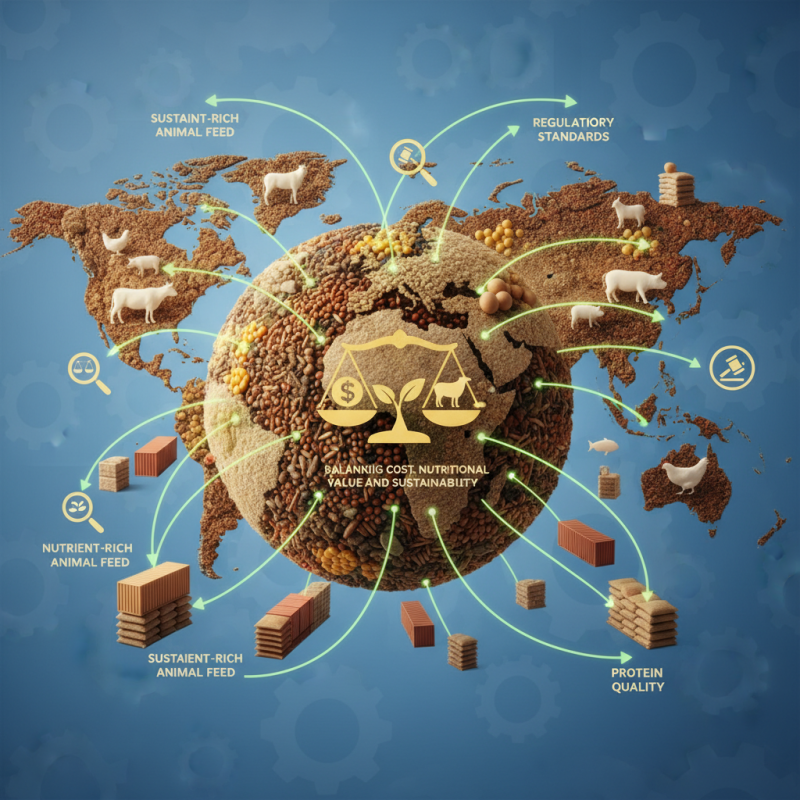
Moreover, regulatory factors complicate the landscape. Buyers must understand local and international standards for feed quality. This knowledge enables them to avoid products that could potentially harm their livestock or violate regulations. The journey toward sourcing the right animal feed requires careful research and a commitment to quality. Balancing cost, nutritional value, and sustainability is no small feat.
Determining the Nutritional Needs of Livestock for Optimal Feed
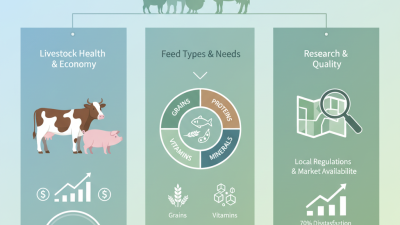
Nutritional needs vary greatly among different livestock species. Understanding these differences is crucial for formulating effective animal feed.
According to the Global Feed Survey, protein content is paramount.
For example, dairy cows require a diet rich in protein, typically around 16-18%. This ensures optimal milk production and overall health.
Feed formulation should also consider fiber intake. Ruminants, like cows and sheep, need adequate fiber for proper digestion. The National Animal Feed Consortium suggests that 25-30% of a ruminant's diet should consist of fiber. Striking a balance between energy, protein, and fiber can be challenging, especially when market conditions fluctuate.
Tips for global buyers include researching regional feed sources. Local ingredients can significantly impact nutritional value. Buyers should also engage with nutritional experts when evaluating feed formulations. Continuous assessment of livestock performance is essential. Regular monitoring can highlight deficiencies in their diet, leading to adjustments for improved productivity.
While technology allows for more precise formulations, over-reliance can lead to unforeseen issues. Understanding the basics of animal nutrition remains vital. This awareness fosters better decision-making and ensures healthier livestock.
Evaluating Different Types of Animal Feed Ingredients Available Globally
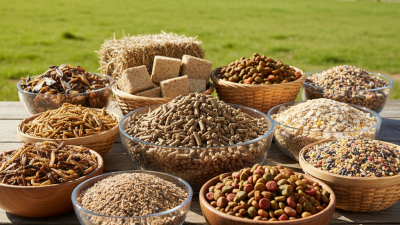
When evaluating different types of animal feed ingredients, global buyers must consider various factors. For instance, the nutritional content plays a crucial role in promoting livestock health. Ingredients like grains, proteins, and fats differ significantly in their benefits. High-quality grains supply energy, while protein sources support growth and reproduction.
Buyers should also be aware of sourcing practices. Sustainable and ethical sourcing can enhance a brand's reputation. However, this requires diligence in verifying suppliers. As consumers become more conscious of food origins, the demand for responsibly sourced feed is increasing. Transparency in supply chains is essential.
Regional availability can influence ingredient choices. Some regions may have abundant access to certain crops while lacking others. This imbalance can lead to higher costs or nutritional gaps. Buyers must be prepared to adapt. Also, not all feed is suitable for every species. Understanding specific nutritional needs is vital for optimal animal health.
Top Animal Feed Ingredients Analysis
Understanding Regulatory Standards for Animal Feed in Various Markets
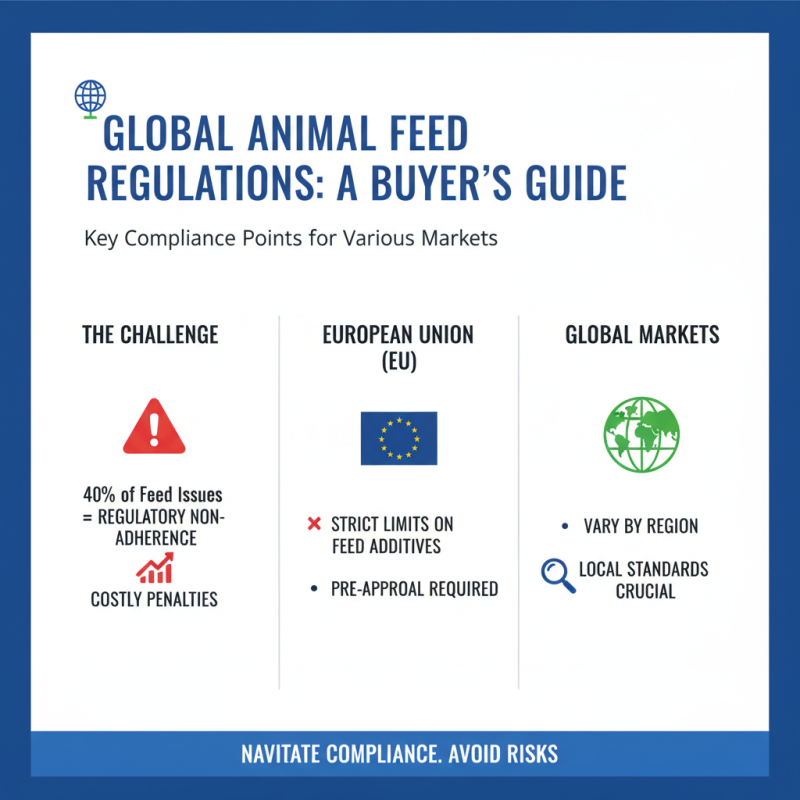
Navigating the animal feed industry requires a keen understanding of regional regulations. Buyers must consider compliance with local standards. For instance, the European Union has strict limits on feed additives. Non-compliance can lead to costly penalties. Reports indicate that 40% of feed-related issues arise from regulatory non-adherence.
In the United States, the FDA outlines specific guidelines. These include safety protocols for livestock feed ingredients. Despite the clarity of these guidelines, many international suppliers struggle with implementation. A recent survey found that only 30% of firms fully understand these regulations. This gap in knowledge can hinder market entry.
Moreover, the demand for transparency is rising. Consumer safety concerns drive regulatory changes. Buyers should anticipate more stringent requirements in the future. Understanding these evolving standards is vital for competitiveness. As markets shift, staying informed can mitigate risks and ensure successful transactions. Buyers must reflect on their compliance strategies continuously.
Sustainable Sourcing Practices for Animal Feed Suppliers
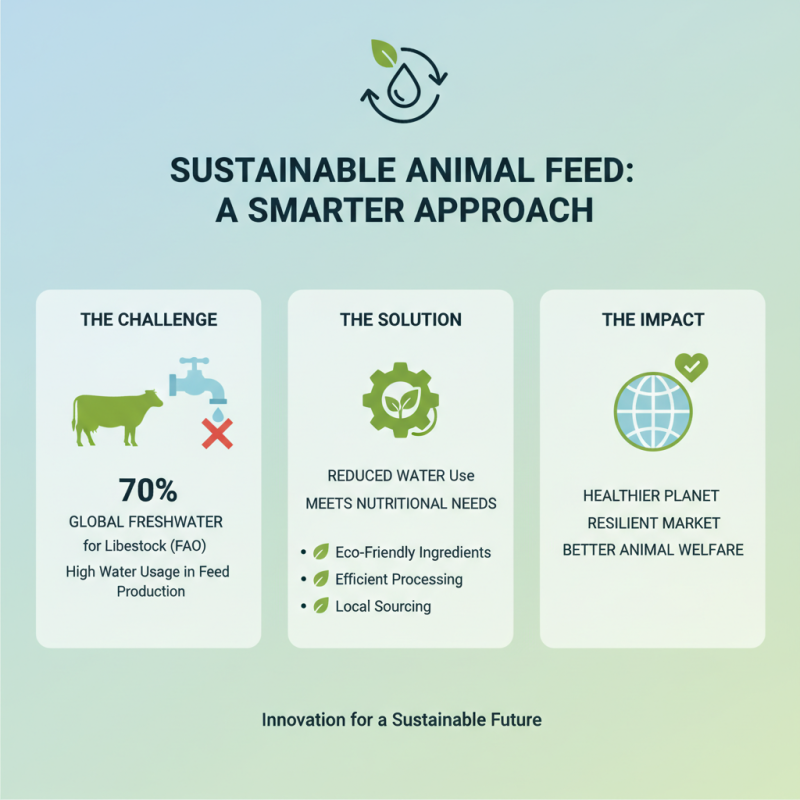
In the rapidly evolving global animal feed market, sustainable sourcing practices are crucial. According to the Food and Agriculture Organization (FAO), around 70% of the world’s freshwater is used in livestock production. This staggering statistic highlights the need for industry stakeholders to rethink sourcing strategies. Sustainable feed sourcing can reduce water usage while still meeting animal nutritional needs.
One effective approach involves using local ingredients. Sourcing feed components from nearby suppliers minimizes transportation emissions. Research shows that local sourcing can cut carbon footprints by up to 30%. Utilizing by-products from food processing as feed can also divert waste from landfills and enhance sustainability. Yet, challenges remain. Not all regions have access to diverse local ingredients, which can lead to nutritional deficiencies in feed formulations.
Transparency is essential in sustainable sourcing. Many buyers and suppliers are now adopting certification schemes to verify the sustainability of their practices. The ongoing challenge is maintaining consistent standards across different regions. Continuous monitoring and improvement are necessary. Industry players must engage in dialogue to establish clear benchmarks for sustainable sourcing, fostering a collaborative approach to enhance overall sustainability in the animal feed sector.
Leveraging Technology for Enhanced Feed Production and Quality Control
As global buyers navigate the animal feed market, leveraging technology can significantly enhance feed production and quality control. By integrating intelligent systems and data analytics, producers can monitor feed ingredients in real-time. This ensures that only the highest quality materials are used, resulting in better nutrition and animal health.
Tip: Invest in sensors that monitor moisture levels in raw ingredients. Maintaining optimal moisture prevents spoilage and maintains nutritional value.
Advanced technologies like AI can predict feed performance based on historical data. By analyzing patterns, producers can make informed decisions about feed formulations. This proactive approach minimizes waste and maximizes efficiency.
Tip: Utilize software tools for formulation optimization. These tools can help identify the best ingredient combinations to meet nutritional requirements while staying within budget.
Embracing technology also involves continuous learning. Regular audits of production processes can reveal inefficiencies. Keeping an open mind to change is crucial in a fast-evolving industry. Ensuring that your methods remain relevant is key to long-term success.