How to Choose the Best Chook Feed for Your Chickens?
Choosing the best chook feed for your chickens is crucial for their health. A study by the American Poultry Association reveals that diet directly affects egg production and overall well-being. Quality chook feed can enhance both growth rates and egg quality.
Many factors impact the right choice of feed. Ingredients, nutritional balance, and specific needs of different chicken breeds matter. Feed must contain adequate protein, energy, and vitamins to support healthy development. However, finding optimal chook feed can be challenging, especially with the multitude of options available.
Farmers often overlook the importance of feed ingredients, sometimes favoring cost over quality. This short-sightedness can lead to health issues in chickens. Remember, investing in high-quality chook feed pays off in the long run, ensuring your flock remains healthy and productive.
Understanding Chicken Nutritional Requirements for Optimal Health
Understanding the nutritional needs of chickens is crucial for their well-being. Chickens require a balanced diet, rich in proteins, carbohydrates, fats, vitamins, and minerals. The protein content is vital. It promotes growth and egg production. Most adult chickens need around 16% protein in their diet.
When choosing feeds, pay attention to age and life stage. Pullets need more protein for development, while laying hens require balanced nutrients for egg production. Avoid commercial feeds that are overly processed, as they may lack essential nutrients. Always read labels and look for natural ingredients.
Consider adding fresh fruits and vegetables. They provide hydration and additional vitamins. However, introduce new foods gradually to avoid digestive upset. Regularly assess your chickens' health. Observing their behavior can reveal if their diet needs adjustment. A holistic approach to feeding ensures your flock thrives.
Types of Chicken Feed: Layer, Broiler, and Starter Formulations
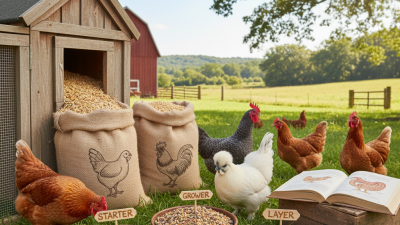
When selecting chicken feed, understanding the different formulations is crucial. Layer feeds are designed for hens that are laying eggs, providing the necessary nutrients for optimal egg production. These feeds typically contain higher calcium content, which supports eggshell strength. Research indicates that hens fed quality layer feed may produce up to 15% more eggs compared to those given lower-quality options.
Broiler feeds cater to chickens raised primarily for meat production. This formulation focuses on high protein and energy levels to promote healthy growth and weight gain. Studies have shown that broilers on optimized diets can gain weight at a rate approximately 20% faster than those on standard feeds. Nutritional balance in broiler feeds is essential for achieving market weight efficiently while ensuring animal well-being.
Starter feeds are vital for chicks in their early weeks of life. They provide essential vitamins and minerals, fostering proper development. The protein level in starter feeds is higher—often exceeding 20%—to support rapid growth during this critical phase. Proper starter nutrition lays the foundation for future health and productivity. However, it’s important to monitor feed intake closely, as overfeeding can lead to stunted growth and health problems down the line. Each type of feed plays a significant role in the life cycle of chickens, highlighting the importance of tailored nutrition throughout their lives.
How to Choose the Best Chook Feed for Your Chickens?
| Feed Type |
Protein Content (%) |
Ideal Age (Weeks) |
Purpose |
Form |
| Layer Feed |
16-18 |
18+ Weeks |
Egg Production |
Pellets/Crumbles |
| Broiler Feed |
20-24 |
0-6 Weeks |
Meat Production |
Pellets |
| Starter Feed |
20-24 |
0-3 Weeks |
Growth Stage |
Crumbles |
| Grower Feed |
16-20 |
4-18 Weeks |
Transition Stage |
Pellets/Crumbles |
Key Ingredients to Look for in Quality Chicken Feed
Choosing quality chicken feed is crucial for your flock's health. Start by looking for a balanced formula. A good feed should contain essential nutrients like proteins, vitamins, and minerals. Protein helps in muscle development. It is vital for growth and egg production. Look for meals made from grains, soy, or legumes. These ingredients offer protein without unnecessary fillers.
Fiber is another important element. It aids digestion and keeps chickens healthy. Ingredients like alfalfa or beet pulp can provide this fiber. Additionally, ensure there are probiotics in the feed. Probiotics support gut health and enhance nutrient absorption.
Not every feed on the market is created equal. Some may appear appealing but lack crucial nutrients. Take a moment to read the ingredient list. Avoid feeds with excessive fillers like corn or wheat. These can lead to nutritional deficiencies over time. Understanding your chickens' specific needs is also critical. Different breeds have varying requirements, especially if they are laying hens or broilers.
Formulating a Balanced Diet: Protein, Carbohydrates, and Vitamins
Choosing the right feed is vital for chicken health. A balanced diet should include protein, carbohydrates, and vitamins. Protein is crucial for growth and egg production. Studies show that laying hens need at least 16% protein in their diets for optimal laying performance. Sources like soybean meal and canola meal provide excellent protein levels.
Carbohydrates serve as the primary energy source. They support daily activities and overall vitality. Grains such as corn and wheat are popular choices, supplying energy while being affordable. However, it’s important to limit grains to avoid obesity in chickens. Excessive carbohydrates can lead to health issues, emphasizing moderation in feed formulation.
Vitamins and minerals round out a well-balanced diet. They promote strong immune systems and enhance egg quality. For instance, calcium is essential for eggshell strength. Many feed formulations do not adequately meet vitamin D3 needs, leading to deficiencies. Regularly evaluating the nutritional profile of chicken feed can ensure your flock remains healthy and productive.
Feeding Guidelines: Age, Breed, and Purpose Considerations
Choosing the best feed for your chickens can be challenging. Different breeds and purposes demand specific nutrients.
Young chicks generally need a higher protein diet to support their rapid growth. Starter feeds with at least
18% protein are crucial during their initial weeks.
As chickens age, their dietary needs change. Laying hens require a diet rich in calcium for strong eggshells.
A layer feed typically contains around 16% protein and added calcium sources. If you’re raising meat chickens,
they benefit from a diet that promotes muscle growth. Consider a grower feed for optimal weight gain.
It’s essential to monitor your chickens and adjust their feed accordingly. Sometimes, you may find they aren’t consuming
enough of their feed. This may lead to deficiencies. Observing their behavior and body condition can help you make
informed decisions. If they seem lethargic, reevaluating their nutrition might be necessary. Every flock is unique,
and what works for one may not suit another.