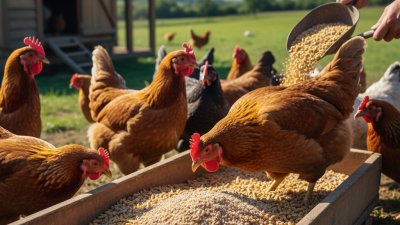
How to Choose the Best Chicken Feed for Optimal Growth?
Choosing the best chicken feed is vital for optimal growth and health in poultry. With countless options available, selecting the right kind can feel overwhelming. Chicken feed significantly influences the overall well-being of your flock. Understanding the nutritional requirements of your chickens helps in making informed choices.
Quality chicken feed should contain essential proteins, vitamins, and minerals. Factors like age, breed, and purpose of the chickens are important. For instance, layer hens require different nutrients compared to broilers. Be mindful of variations in ingredients and their sources. Not all feeds are created equal; some may lack vital nutrients.
It’s crucial to evaluate the ingredient list of chicken feed. Many products may include fillers that offer little nutritional value. Researching brands and consulting with poultry experts can guide you. Reflecting on your chickens’ growth and health can help adjust their diet. Ultimately, the right chicken feed pays dividends in the long run, supporting the optimal growth of your flock.
Understanding Nutritional Requirements for Chickens at Different Growth Stages
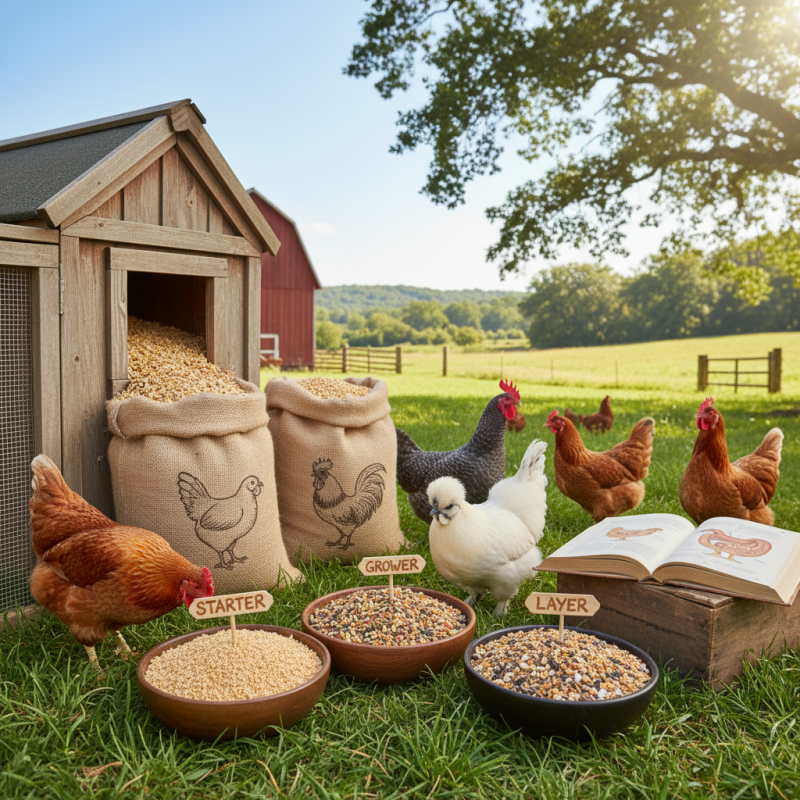
Understanding the nutritional requirements for chickens at different growth stages is essential for optimal growth. Baby chicks, for instance, require a higher protein content, around 20-24% in their feed. This level supports rapid muscle growth and development of feathers. During the starter phase, it is crucial to provide them with the right diet to build a strong foundation.
As chickens transition to the grower phase, their protein needs decrease slightly to about 16-18%. This shift is important for their changing metabolism and activity levels. A balanced supply of vitamins and minerals, such as calcium and phosphorus, helps ensure healthy bone development. Research indicates that inadequate calcium can lead to problems such as weak bones in adult chickens.
In the finishing stage, the focus should be on a well-rounded diet that promotes weight gain and overall health. It is essential to monitor the feed quality and its nutritional content regularly. Some farmers overlook the importance of feed adjustments at this stage, which can lead to suboptimal results. Ensuring that the feed is specifically designed for the weight and health goals of the flock is a common oversight. Balancing the dietary needs across all stages not only maximizes growth but also enhances egg production and overall flock well-being.
Optimal Nutritional Requirements for Chickens at Different Growth Stages
Evaluating Feed Ingredients: Protein, Carbohydrates, and Vitamins
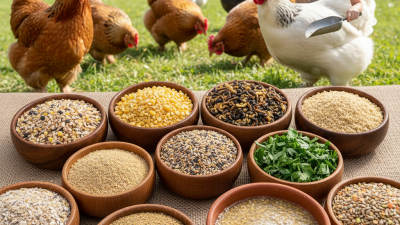
Choosing the best chicken feed requires a careful look at the ingredients. Protein is essential for growth and development. Chickens need a balanced amount of protein to build strong muscles. Look for feeds with moderate protein sources, such as soybean meal or fish meal. Too much protein can cause health issues. Too little may hinder their growth. Finding the right balance is crucial.
Carbohydrates are another important component. They provide the energy chickens need for daily activities. Grains like corn and wheat serve as excellent carbohydrate sources. Ensure that the feed contains enough carbohydrates to support healthy activity levels. Vitamin inclusion is vital as well. Vitamins support overall health and egg production. Vitamin A, D, and E are typically essential. If vitamins are lacking, chickens can suffer.
Feeding chickens is not a one-size-fits-all situation. Each flock has different needs based on age and activity. Regularly evaluating feed quality can make a big difference in their health. If birds are not thriving, it’s time to re-examine the feed ingredients. Observing their growth can provide insights. Adjustments may lead to better outcomes.
How to Choose the Best Chicken Feed for Optimal Growth?
| Feed Ingredient |
Protein Content (%) |
Carbohydrates Content (%) |
Vitamins (mg/kg) |
Best For |
| Corn |
9 |
72 |
50 |
Layers |
| Soybean Meal |
44 |
18 |
20 |
Broilers |
| Wheat |
12 |
60 |
30 |
Chickens |
| Fish Meal |
60 |
0 |
200 |
All Stages |
| Alfalfa Meal |
20 |
30 |
80 |
Pullets |
The Role of Supplements in Enhancing Chicken Growth and Health
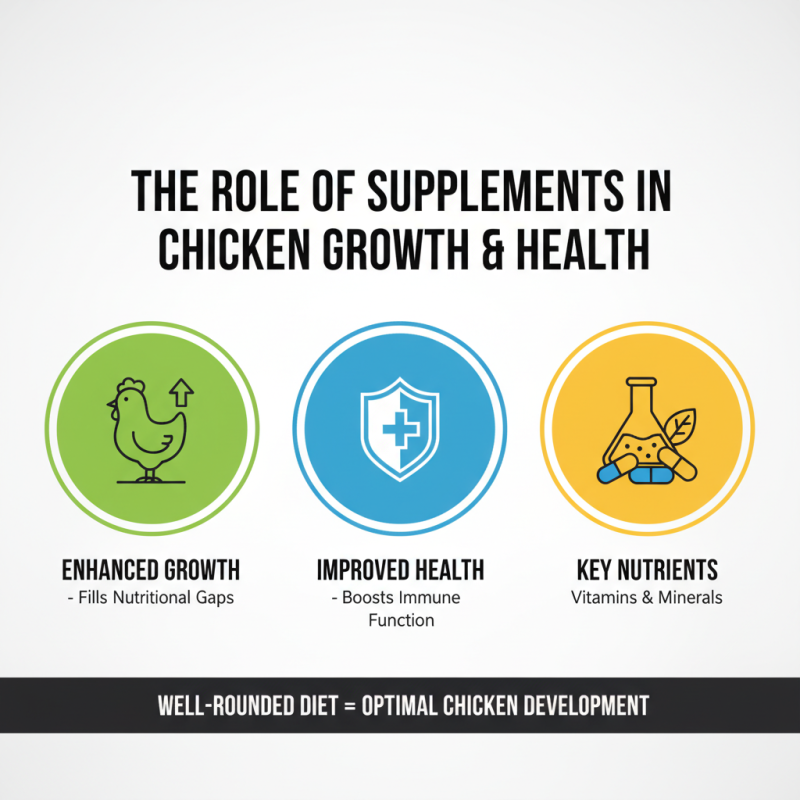
Supplements can play a crucial role in enhancing chicken growth and health. A well-rounded diet supports both physical development and immune function. Various supplements, such as vitamins and minerals, can fill nutritional gaps in basic feed. Chickens need certain nutrients in specific amounts for optimal growth.
For instance, calcium is vital for strong bones and eggshell formation. Many chicken feeds do not contain enough calcium. In these cases, adding a calcium supplement can be beneficial. Protein supplements, like soybean meal, can also help improve muscle development. Recognizing when your feed lacks essential nutrients is key.
However, over-supplementation can lead to issues. Excessive calcium can harm kidney function, while too much protein may cause growth issues. Observing your chickens' behavior and overall health is necessary for making adjustments. Regularly consult with a poultry nutritionist or veterinarian. They can provide expert insight into the right mix of supplements for your flock. Understanding your chickens’ needs will ultimately lead to healthier, more productive birds.
Comparing Commercial Feeds vs. Homemade Diets for Optimal Growth
When comparing commercial feeds and homemade diets, consider the nutritional needs of chickens. Research shows that commercial feeds often contain balanced proportions of protein, vitamins, and minerals. For instance, a study indicates that modern commercial feeds can offer around 18-20% protein content, essential for optimal growth. Chickens require this high protein level for muscle development and egg production.
On the other hand, homemade diets can be more challenging to balance. It’s common for inexperienced feeders to overlook crucial nutrients. Many homemade diets lack essential amino acids, which could hinder growth. An analysis from poultry nutrition experts reveals that unbalanced homemade feeds can lead to deficiencies, impacting health and productivity. While some backyard farmers prefer homemade options for ingredient control, it's vital to ensure that all nutritional needs are met.
Additionally, feeding practices directly affect growth rates. Research indicates that chickens grow 1.5 times faster with adequate commercial feed compared to poorly formulated homemade diets. It's often a trial-and-error process to find the right mix.
Careful monitoring is essential due to the risks associated with nutrient imbalances in homemade feeds. Keeping a close eye on growth rates can provide insights into the effectiveness of the diet chosen.
Monitoring Growth Metrics: Adjusting Feed Strategies Effectively
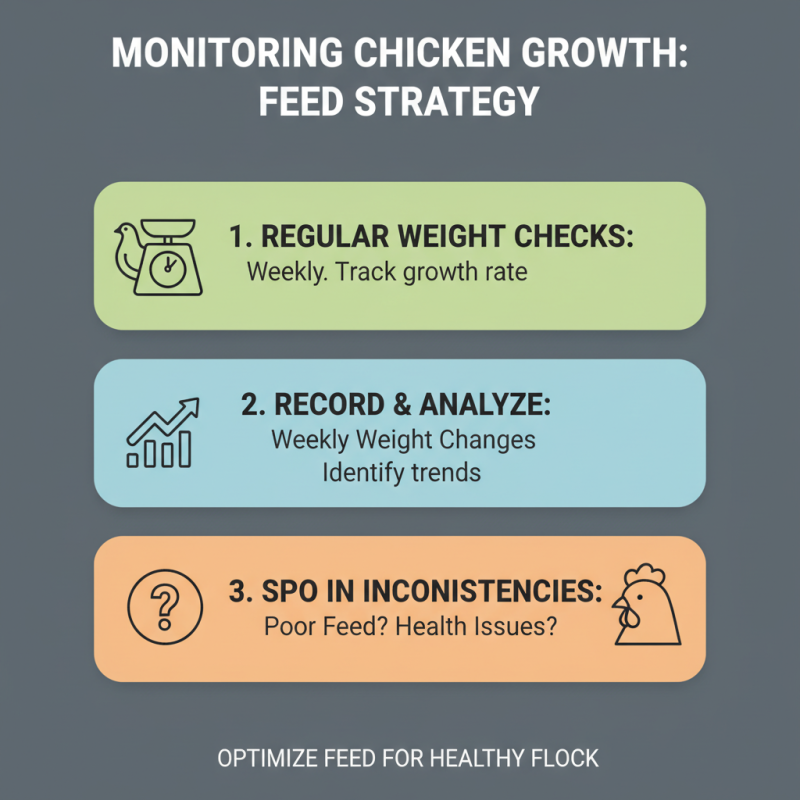
Monitoring growth metrics is vital in optimizing chicken feed strategies. Regular weight checks help assess the rate of growth. Keep a record of weight changes weekly for accurate tracking. Look for inconsistent growth patterns. They could indicate poor feed choices or health issues.
Adjust feed formulations based on the growth metrics observed. If chickens are growing slower than expected, consider protein-rich feeds. Aiming for a balanced diet is essential, but it can sometimes be trial and error. Adjusting ratios based on observations is necessary. If the chickens seem lethargic or show little growth, re-evaluate the current feed mix.
Nutritional needs can vary based on age and breed. This requires ongoing observation and adaptation. Some may flourish on specific feeds, while others may not. Document any changes in behavior or production levels. Such insights can lead to better decisions in feed strategies. Remember, there’s always room for improvement in feeding practices.