China Top Farm Animal Feed Types and Their Benefits?
In the agricultural landscape of China, selecting the right farm animal feed is critical for livestock productivity. Different types of feed have unique benefits, influencing animal health and overall farm output. To ensure the best growth and reproduction rates, understanding these feed types is essential for farmers.
Key feed categories include grains, protein meals, and forage. Grains provide energy, while protein meals enhance growth rates and milk production. Forages, often overlooked, are vital for digestive health. Each type plays a role in feeding strategies and overall farm management.
While various feeds can yield benefits, challenges exist. High prices challenge many farmers, impacting choices. Additionally, improper feed ratios can lead to health issues in animals. Ensuring the right balance is crucial. This article explores these feed types and their respective advantages, reflecting on the ongoing need for improvement in feed management practices.
Overview of Top Farm Animal Feed Types Used in China
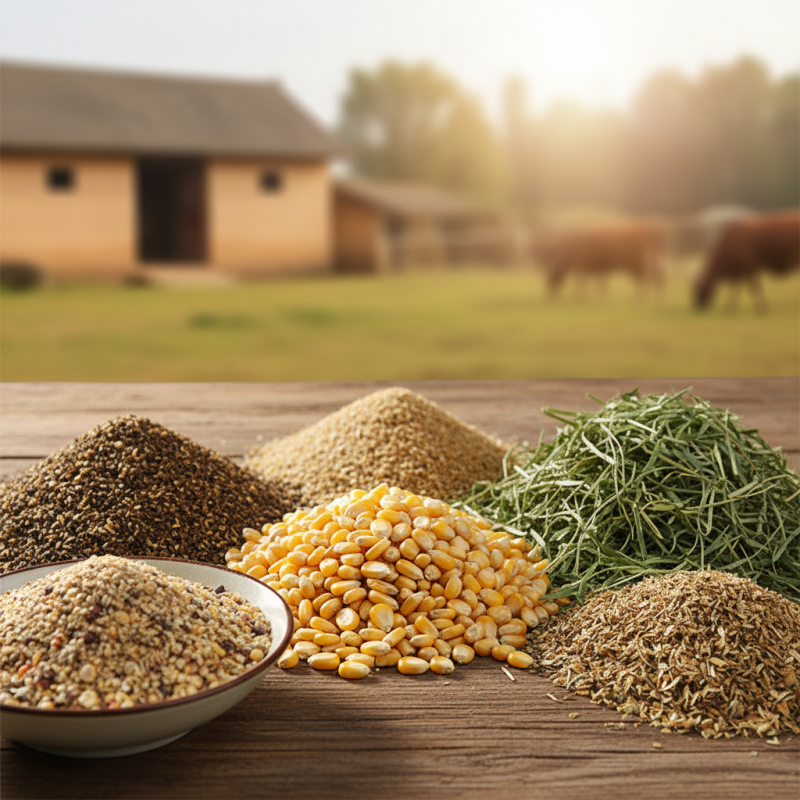
In China, a variety of farm animal feed types play a crucial role in livestock nutrition. The most common feed includes grains, such as corn and soybean meal. These grains provide essential energy and protein. They are easy to digest and are widely available, making them popular among farmers.
Another significant type is silage, which is fermented forage. It retains nutrients and is particularly beneficial during dry seasons. Silage helps maintain rumen health in ruminants. However, preparation requires careful management to ensure quality, which can be a challenge for some farms.
By-products, like rice bran and fishmeal, are also used. These feeds provide important vitamins and minerals, enhancing overall health. Yet, their inconsistent supply can lead to fluctuations in feed quality. Farmers must be aware of these issues to achieve optimal livestock performance. Each feed type has its pros and cons. Understanding these can help improve feed strategies and animal health in the long term.
China Top Farm Animal Feed Types and Their Benefits
| Feed Type |
Primary Ingredients |
Main Benefits |
Common Livestock |
| Corn |
Yellow corn, proteins |
High energy content, palatable |
Pigs, poultry |
| Soybean Meal |
Soybeans |
Rich in protein, supports growth |
Cattle, poultry |
| Wheat Bran |
Wheat husks |
Good fiber source, promotes digestion |
Ruminants, pigs |
| Rice Bran |
Rice husks |
Contains oils, vitamins, and minerals |
Pigs, poultry |
| Alfalfa Meal |
Alfalfa leaves and stems |
High in fiber and calcium |
Ruminants, horses |
Nutritional Benefits of Grain-Based Feeds for Livestock
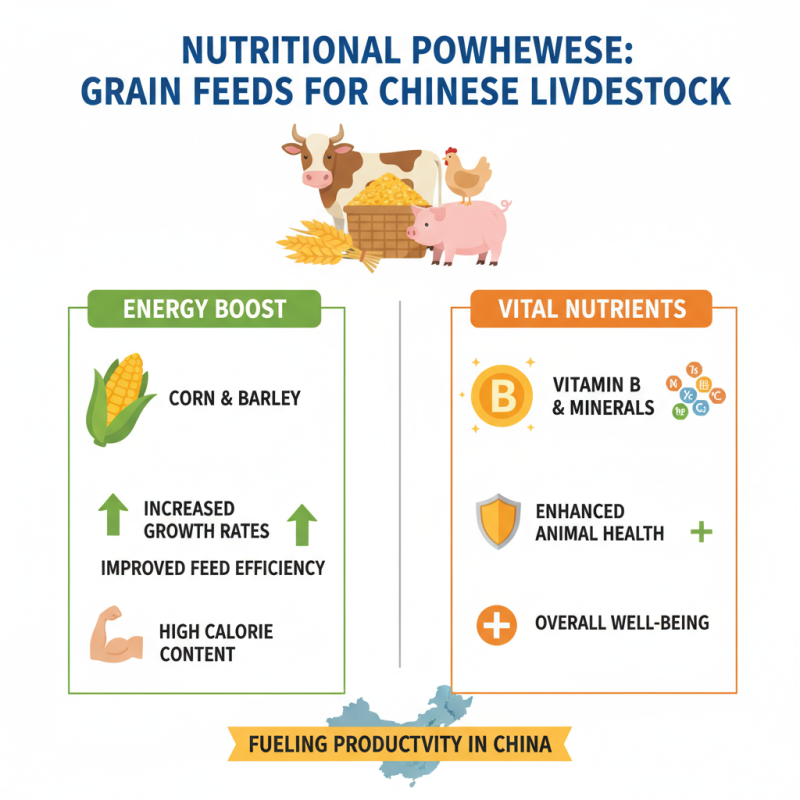
Grain-based feeds are essential for livestock in China. They offer numerous nutritional benefits that enhance animal health and productivity. For instance, grains like corn and barley are rich in energy. This energy boosts growth rates and improves feed efficiency. Vitamin B and crucial minerals are also present in these feeds, contributing to overall animal well-being.
However, reliance on grain-based feeds can pose challenges. Some farmers may overlook the balance of nutrients. A diet overly focused on grains can lead to deficiencies in proteins and fats. Livestock require a diverse diet for optimal health. It’s vital to assess feed formulations regularly. Incorporating alternative feeds may help address imbalances.
Each farm has unique needs, which makes customization crucial. Without careful planning, animals might not receive adequate nutrition. Observing livestock for health indicators can guide adjustments in feed types. Addressing these concerns will ensure a sustainable feeding strategy. This approach promotes better livestock performance and farm profitability.
Advantages of Protein-Rich Supplements in Animal Diets
Protein-rich supplements play a crucial role in animal diets, especially in enhancing growth and productivity. These supplements can include soybean meal, fish meal, and alfalfa, which provide essential amino acids. Livestock that consume high-protein diets often show improved muscle development and overall health.
Incorporating high-quality proteins can lead to better feed efficiency. Animals can convert feed into body mass more effectively. This means healthier animals and potentially increased profits for farmers. It’s essential to balance protein levels to avoid overfeeding, which might lead to health issues like obesity.
Tips: Monitor your animals for signs of excessive weight gain. Adjust feed ratios based on their growth stage. Consult with a nutritionist to determine the best protein sources for your livestock. Keep records of their health and productivity to make informed decisions.
Role of Fiber and Roughage in Sustaining Animal Health
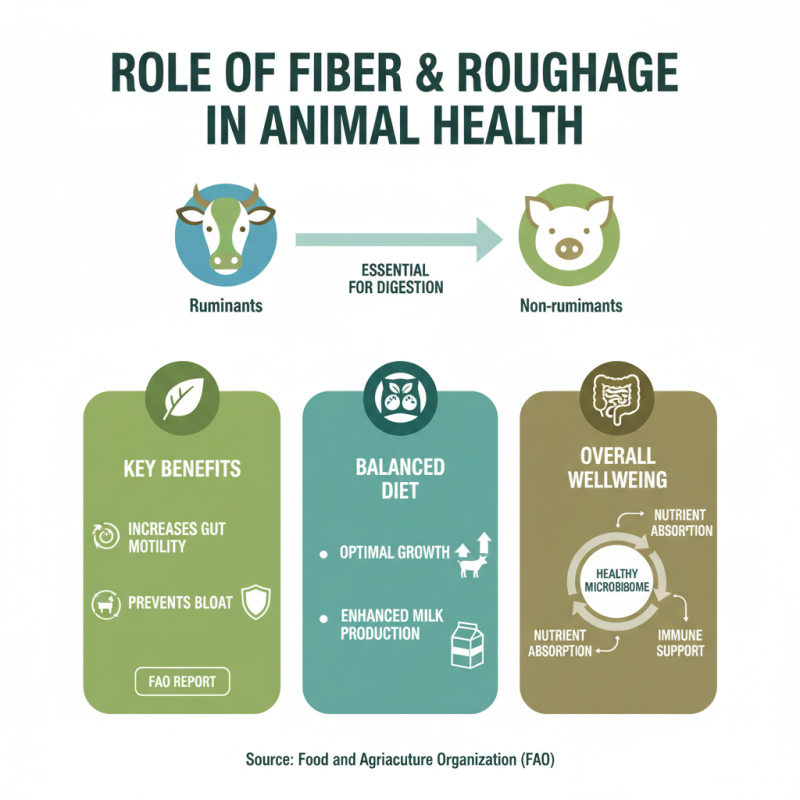
Fiber and roughage play critical roles in animal health. These elements are essential for digestion in ruminants and non-ruminants alike. According to a report by the Food and Agriculture Organization (FAO), proper fiber intake increases gut motility and prevents conditions like bloat. Healthy fiber levels contribute to a balanced diet, promoting optimal growth and milk production.
Research indicates that animals require an adequate amount of roughage. A fiber intake of at least 20% can significantly enhance nutrient absorption. Furthermore, fiber can support a robust immune system. Interestingly, a study from the American Journal of Animal Science shows that moderate roughage in diets reduces disease incidence in livestock.
On the other hand, not all sources of fiber are created equal. Low-quality roughages can lead to digestive issues. Farmers must assess the fiber quality in feed to avoid potential health risks. Moreover, the balance between fiber and other nutrients must be carefully managed. Too much fiber can inhibit energy intake, leading to poorer growth rates. Crafting the right feed formula requires extensive knowledge and constant adjustments, reflecting the complexities of animal nutrition.
Emerging Feed Innovations and Their Impact on Chinese Agriculture
Emerging feed innovations are reshaping Chinese agriculture in significant ways. One key area is alternative protein sources. Innovations like insect meal and algae are gaining attention. These options provide high protein levels and reduce reliance on traditional feed. Farmers are beginning to adopt these alternatives, but there are challenges. Many are not yet familiar with their nutritional benefits.
In addition, precision nutrition is revolutionizing how farmers approach animal feed. This method tailors feed formulations to the specific needs of animals based on age and weight. Results show improved growth rates and reduced waste. However, some farmers may struggle with the technology required for implementation. A balance between tradition and innovation is crucial for success.
Sustainability is another important aspect. New feed products reduce environmental impact compared to conventional methods. Innovations like fermented feeds help improve nutrient absorption. Yet, integrating these practices can be risky for those set in traditional ways. Continuous education and outreach are needed to ensure farmers understand these innovations. The path forward may be challenging, but the potential benefits are clear.
China Top Farm Animal Feed Types and Their Benefits
This chart illustrates the nutritional value scores of the top farm animal feed types in China. Corn and soybean meal score the highest, making them popular choices among farmers for livestock nutrition.