2026 How to Choose the Best All Animal Feed Options?
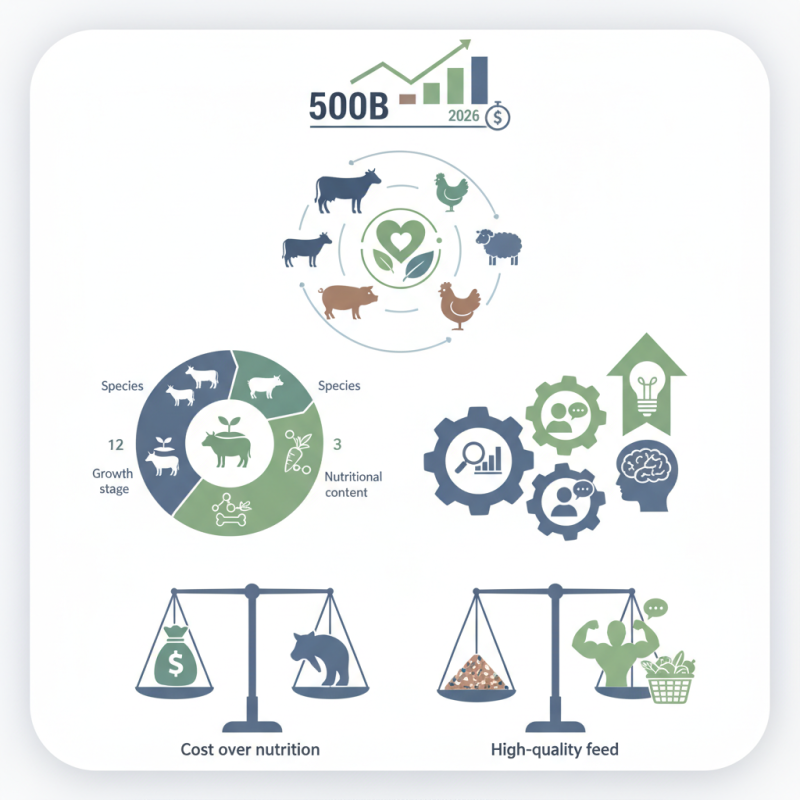
Selecting the best all animal feed options can be challenging. The animal feed industry is projected to reach $500 billion by 2026, reflecting its critical role in global agriculture. According to the Animal Feed Market Report, the demand for quality feed has surged. Livestock productivity directly depends on the quality of all animal feed.
Many producers prioritize cost over nutrition. However, this approach may lead to suboptimal growth and health problems in animals. Research indicates that high-quality feed promotes better feed conversion, resulting in healthier livestock and improved yield. This underscores the need for careful consideration when selecting all animal feed.
The variety of available options can be overwhelming. Factors like animal species, growth stage, and nutritional content must be considered. Utilizing data-driven analyses and expert advice can guide producers toward informed decisions. Reflecting on these elements is essential for achieving optimal outcomes in animal husbandry.
Understanding Nutritional Requirements for Different Animals
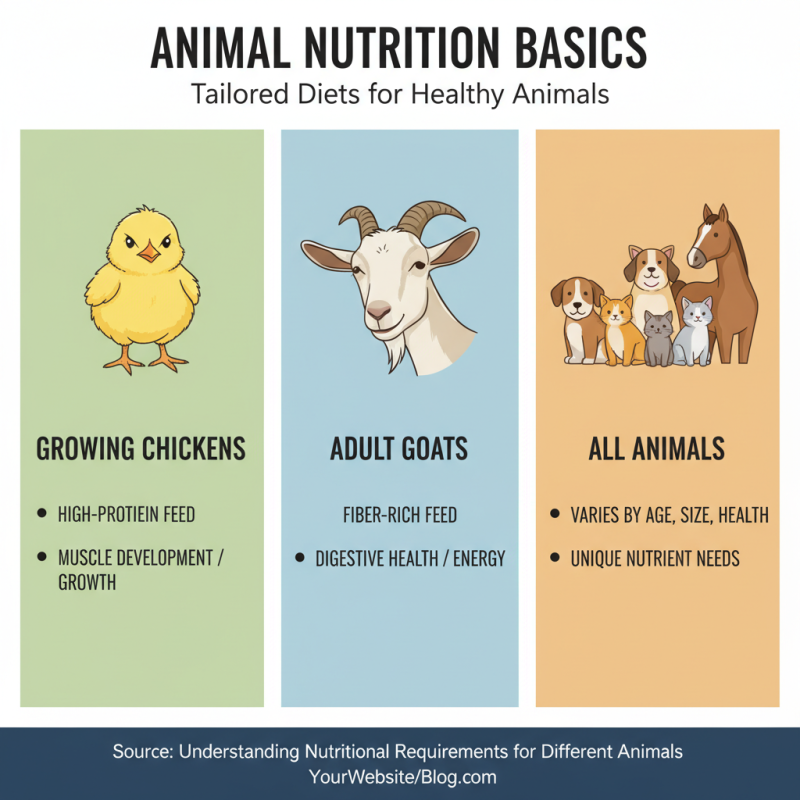
Choosing the right animal feed requires understanding specific nutritional needs. Different species have unique requirements based on age, size, and health. For instance, growing chickens need a high-protein diet, while adult goats benefit from fiber-rich feed. Each animal type thrives on different nutrients.
The balance of protein, carbohydrates, vitamins, and minerals is crucial. Ruminants like cows rely on forage for digestion. Conversely, carnivores, such as dogs, require a protein-heavy diet. Not all commercial feeds meet these needs adequately. It's important to read ingredient labels carefully.
Observation is necessary. Some animals may refuse certain feeds. Conducting trials with small amounts can provide insights. You may discover unexpected preferences or dietary intolerances. Always consult with a veterinarian for tailored advice based on your animal's health and activity levels.
Evaluating Ingredients in Animal Feed for Quality and Safety
When evaluating ingredients in animal feed, quality and safety must take precedence. A focus on ingredient sourcing can reveal a lot about the feed's value. According to the Association of American Feed Control Officials (AAFCO), quality control starts with understanding the sources of protein, carbohydrates, and fats used in formulations. For instance, animal by-products can be nutritious but may vary widely in quality. The Protein Digestibility-Corrected Amino Acid Score (PDCAAS) is a useful metric for assessing these sources.
Safety is paramount in feed formulation. The FDA highlights that contaminants like mycotoxins or salmonella pose significant risks. Studies report that approximately 60% of feed contains at least one type of contaminant. Therefore, rigorous testing for these substances is essential. Understanding the origin and processing of feed ingredients ensures animals receive safe nutrition. It's also crucial to stay informed on recalls and safety reports.
Not all ingredients marketed as superior are equally beneficial. For example, some grains may be grown with harmful pesticides. Evaluating ingredient labels with scrutiny is necessary. A transparent supply chain is a hallmark of quality. Ensuring animals receive proper nutrition while navigating potential hazards is a constant challenge in the feed industry.
2026 Best All Animal Feed Options - Ingredient Quality Evaluation
This chart illustrates the quality evaluation of various animal feed ingredients based on their nutritional values and safety standards. The values represent the quality score out of 100 for each ingredient category.
Comparing Commercial vs. Homemade Animal Feed Options
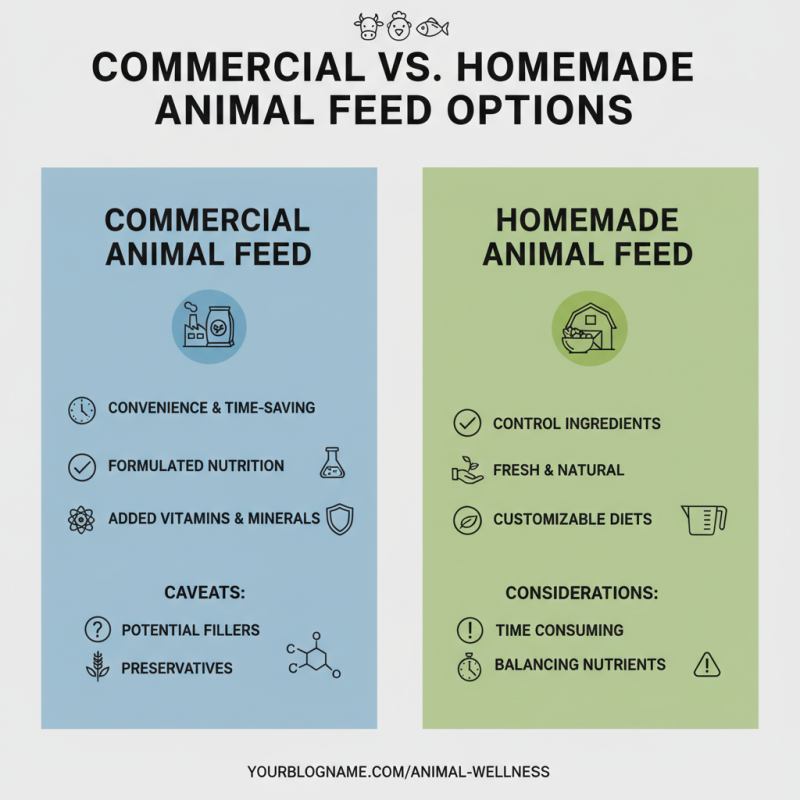
Choosing the right animal feed is crucial for the health of your animals. Many owners face the decision of using commercial feeds versus homemade options. Commercial feeds offer convenience and are formulated with specific nutritional profiles. They save time and often include necessary vitamins and minerals. However, these feeds can contain fillers and preservatives that may not align with what you believe is best for your animals.
On the other hand, homemade animal feed can be tailored to meet the specific dietary needs of your animals. You have control over each ingredient. This fosters a deeper connection and understanding of animal nutrition. Nonetheless, crafting these feeds requires knowledge and effort. It can be challenging to ensure a balanced diet without professional guidance. Many might worry about missing essential nutrients, which could lead to health issues down the line.
Ultimately, the choice depends on your circumstances, experience, and commitment to animal care. Reflecting on your approach is essential. Are you prioritizing convenience, or can you dedicate time to crafting a custom diet? The right decision needs careful consideration and ongoing evaluation.
Assessing the Environmental Impact of Animal Feed Choices
Choosing the right animal feed is crucial. It affects livestock health and productivity. However, the environmental impact of these choices is often overlooked. Evaluating feed options involves more than just nutritional value. It requires assessing ecological footprints as well.
Different feed sources have varying impacts on the environment. For example, grains may require significant water and land resources. In contrast, insect-based feed can be more sustainable. Yet, agricultural practices for both can produce emissions, creating a dilemma. Understanding these nuances helps in making informed choices.
It's vital to consider the life cycle of feed. How is it sourced? What are the transportation emissions? Even locally sourced products can have hidden costs. Continuous reflection on these aspects can lead to better and more responsible feeding options. Balancing nutrition and sustainability is challenging but necessary for the future.
Determining Cost-Effectiveness of Various Animal Feed Solutions
Choosing the right animal feed involves assessing cost-effectiveness. A recent report by the
Animal Nutrition Association indicates that feed costs account for 70% of total livestock production expenses.
This statistic underscores the importance of selecting economical and nutritional feed options.
Evaluating various animal feed solutions requires a thorough understanding of nutritional needs. For instance,
ruminant diets often include high-fiber components, while poultry diets prioritize protein sources.
Reports have shown that a well-balanced diet can enhance growth rates by
up to 15%, justifying potential initial cost differences.
Moreover, market fluctuations create variability in feed prices.
Livestock producers need to remain agile and informed. Engaging with agricultural economists can provide valuable insights.
Such collaboration allows producers to adapt to changing market conditions and find sustainable, budget-friendly alternatives.
Recognizing that no one-size-fits-all solution exists is key. The search for optimal feed should balance
nutritional value and economic feasibility.