What Is Bulk Livestock Feed and How Does It Work?
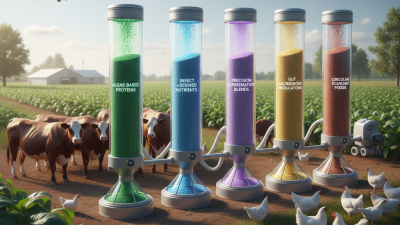
Bulk livestock feed is more than a large delivery of grain, pellets, or mixed ration. It is a planned supply system designed to feed cattle, pigs, poultry, sheep, or goats consistently. Farms usually purchase ingredients or finished feed in substantial quantities. They store it in silos, bins, or covered areas, then measure portions according to each animal group’s needs.
Dr. Frank Mitloehner, a livestock air-quality and sustainability specialist, has emphasized that “feed efficiency is central to reducing livestock’s environmental footprint.” This idea explains why bulk livestock feed matters beyond convenience. A balanced ration can support steady growth, milk production, egg output, and healthier body condition. It may also reduce waste when animals use nutrients efficiently. Small details matter. A damp bin can spoil valuable feed. Uneven mixing can leave some animals overfed and others undernourished. That is not efficient.
The process begins with formulation. Nutritionists consider species, age, weight, production stage, climate, and forage quality. The feed is then mixed, transported, stored, and distributed on schedule. Regular testing can identify moisture problems, nutrient variation, or contamination risks before they affect the herd. Still, bulk purchasing is not automatically better. Poor storage, inaccurate weighing, or an unsuitable formula can turn a cost-saving plan into an expensive mistake. Feed programs require records, observation, and adjustment. Animals often reveal problems before spreadsheets do. Their appetite, manure, growth, and body condition deserve close attention.
Definition and Purpose of Bulk Livestock Feed
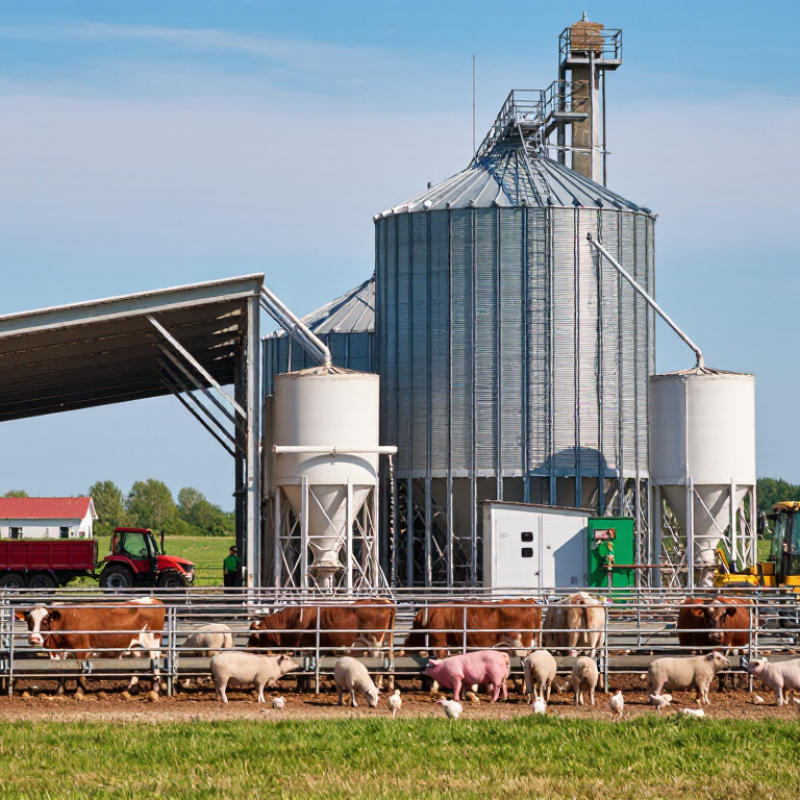
Bulk livestock feed is feed purchased, stored, and delivered in large quantities for farm animals. It may include grains, forage, protein meals, minerals, and carefully balanced supplements. Unlike small bagged feed, it usually arrives by truck, tanker, or auger system. The feed is then transferred into bins, silos, or covered storage areas.
Its main purpose is to provide consistent nutrition while reducing handling and packaging costs. A dairy herd, for example, may receive a measured ration containing energy sources, fiber, protein, salt, and trace minerals. Each ingredient supports a specific need, such as milk production, growth, digestion, or body maintenance. Accurate weighing matters. A small error repeated every day can affect animal health and farm expenses.
Bulk feeding also supports better planning. Farmers can match delivery volumes with herd size, seasonal forage, and expected production. Dry feed needs protection from rain, pests, and excess moisture, while liquid products require suitable tanks and regular inspection. Spoiled or contaminated material should never be mixed into a fresh ration.
The term can be misleading.
“Bulk” describes the delivery method, not feed quality. A large shipment is not automatically suitable for every animal. Experienced producers review ingredient labels, laboratory results, storage conditions, and animal performance. Even then, adjustments may be necessary. Feed intake can change with weather, illness, age, or poor forage, so a fixed formula may not always work perfectly. Oversight remains essential.
Key Ingredients and Nutritional Components
Bulk livestock feed is a large-volume mixture formulated for animals at different production stages. It commonly contains cereal grains, protein meals, forage, minerals, vitamins, and sometimes approved additives. Corn supplies digestible energy, while soybean meal can provide about 44–48% crude protein, according to USDA feed composition data. Forage ingredients also contribute fiber, which supports rumen function in cattle.
Energy alone is not enough. Dairy rations often target roughly 16–18% crude protein, although the correct level depends on milk yield, body weight, forage quality, and climate. The National Academies’ Nutrient Requirements of Dairy Cattle explains that protein must be balanced with energy and amino acids, not judged by percentage alone. Small mineral changes matter. Calcium and phosphorus support bones, milk production, and reproductive health.
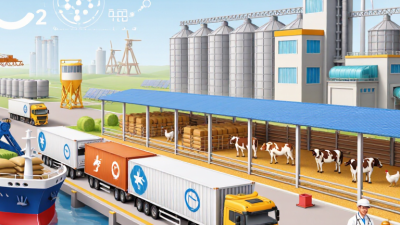
At a feed mill, ingredients are weighed, ground, mixed, and transported in bulk trucks or silos. Consistent particle size helps reduce sorting, but it never removes every risk. Moisture can encourage spoilage. Uneven mixing can leave one animal short of a nutrient. FAO reports that feed quality, storage, and formulation strongly influence livestock efficiency and environmental performance. A polished formula can still fail on a dusty farm floor. Regular testing remains essential. (USDA, FoodData Central; National Academies, 2021; FAO, 2023)
How Bulk Feed Is Produced and Stored
Bulk livestock feed is produced in controlled stages, not simply poured into a truck. Grain, protein meals, minerals, and additives are tested before processing. Grinding reduces particle size and improves mixing. Ingredients are then weighed in batches. A mixer distributes nutrients throughout the formula.
Many mills use steam conditioning and pelleting. Heat and moisture soften the mixture, while pressure forms dense pellets. Cooling removes excess heat before loading. The 2024 Alltech Agri-Food Outlook reported global feed production of about 1.13 billion metric tonnes in 2023. That scale demands accurate weighing and reliable equipment. Yet the process is not flawless. Uneven mixing, worn screens, or excess moisture can reduce feed quality.
Storage begins with clean, dry bins or silos. Operators monitor temperature, moisture, insects, and airflow. Bulk feed should move through the system quickly enough to avoid caking and spoilage. The U.S. Department of Agriculture regularly reports grain-storage risks linked to moisture and temperature changes. These risks also apply to feed ingredients. A practical target is stable moisture, though the correct level depends on the formula and local climate.
Tips: Inspect bins before filling. Keep different formulas separated. Record loading dates and batch numbers. Check for hot spots weekly. Small errors matter. Human judgment still needs better records and calibration.
How Livestock Receive and Digest Bulk Feed
Bulk livestock feed is usually transported in large quantities and stored in bins, silos, or covered containers.
An auger, conveyor, or gravity system moves it toward feeding areas. From there, cattle may eat through troughs, while pigs and poultry often use feeders designed for steady access. The system must keep feed dry, clean, and evenly mixed. Moisture can encourage mold. Poorly adjusted equipment can also leave fine particles behind.
How animals digest bulk feed depends on their species and digestive system.
Cattle, sheep, and goats chew fibrous feed, swallow it, and later regurgitate it as cud. Microorganisms in the rumen break down plant fiber and produce energy-rich compounds. Pigs digest more starch and protein in the stomach and small intestine. Poultry use a crop, proventriculus, and gizzard to store, soften, and grind feed before absorption.
Water matters greatly.
Feed intake can fall when animals cannot drink comfortably. Experienced farm workers check feeder levels, droppings, chewing activity, and body condition each day. These simple observations can reveal poor digestion or uneven access. Bulk delivery is efficient, but it is not automatically precise. Dominant animals may eat more, and smaller animals may receive less. Feed separation, dust, and changing moisture can also reduce consistency. A carefully designed system still needs regular adjustment. Mistakes happen.
Benefits, Challenges, and Safe Feeding Practices
Bulk livestock feed is feed delivered and stored in large quantities, usually in silos, bins, or covered bays. It may contain grain, protein sources, minerals, and carefully measured additives for a specific species. Buying in bulk can reduce packaging waste, delivery frequency, and handling costs. It can also support a more consistent ration when every batch follows the same formula.
The system has weak points. Moisture can cause mold, clumping, and nutrient loss within days. Poorly sealed bins may attract rodents or allow birds to contaminate the feed. Some farms also overlook residue from an earlier ration. That mistake can affect young animals quickly. Feed should be inspected on arrival, with the lot number, delivery date, smell, color, and temperature recorded. Storage areas need dry floors, ventilation, secure lids, and regular cleaning. Use older feed first, but never use feed that looks spoiled.
Safe feeding depends on measurement and observation. Calibrate augers, scales, and mixing equipment at set intervals. Introduce a new ration gradually, especially when forage levels change. Provide clean water beside the feed, because high-protein or mineral-rich diets increase water needs. Follow species, age, and production-stage requirements rather than copying another farm’s recipe. A qualified livestock nutritionist or veterinarian should review unusual changes, poor growth, digestive upset, or sudden drops in intake. Bulk delivery is efficient, but it is not automatically safe. I would still question any load that smells sour, feels warm, or arrives without clear documentation.