Top 10 Nutrition Feed Trends You Need to Know?
In the ever-evolving world of animal husbandry, staying informed about the latest trends in nutrition feed is crucial. These developments can impact animal health, production efficiency, and sustainability. As industries demand more from their feeds, understanding how to adapt is essential for success.
The top nutrition feed trends reveal a shift toward more natural ingredients. Farmers are increasingly focusing on quality over quantity. This change supports animal welfare and enhances product quality. However, balancing these needs can be challenging. Some trends emphasize plant-based options, while others explore novel protein sources. Each trend carries potential benefits and risks.
Recognizing these trends fosters informed choices. A careful assessment is necessary to determine which innovations suit specific operations. Embracing these changes can lead to improvements. Nonetheless, it's important to scrutinize each trend critically. Not all changes guarantee success, and some may require adjustments. The future of nutrition feed rests on our ability to adapt wisely.

Emerging Nutritional Ingredients in Animal Feed
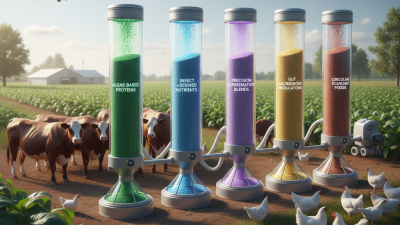
The animal feed industry is witnessing a shift towards innovative nutritional ingredients. Recent studies show that incorporating plant-based proteins can enhance animal health. For instance, legumes are emerging as a sustainable protein source. They can reduce feed costs and improve nutrient absorption. A report from industry experts indicates that plant proteins may contribute to a 15% increase in feed efficiency.
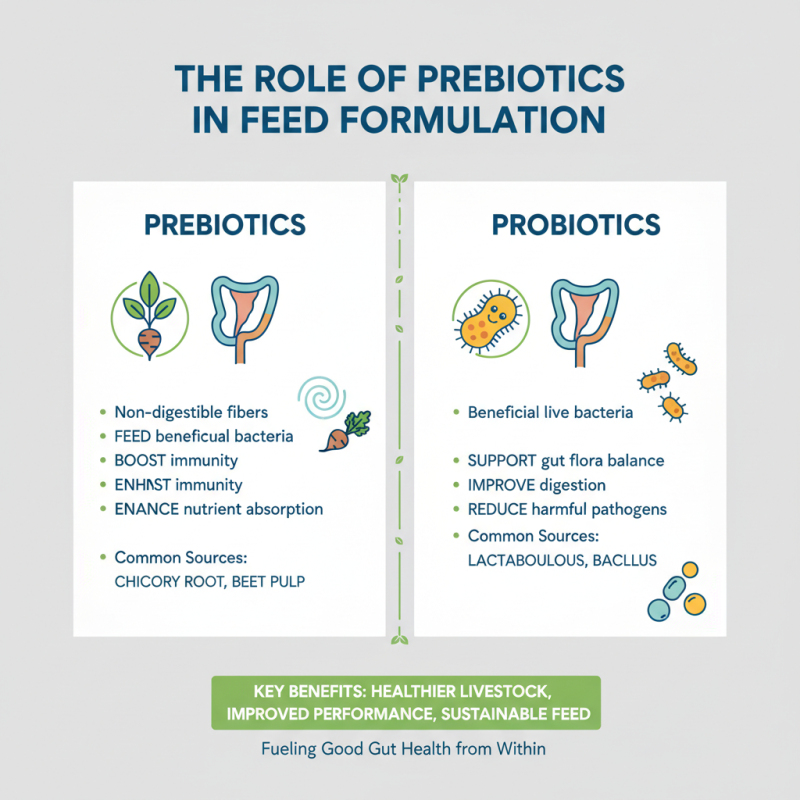
Prebiotics and probiotics are equally gaining traction. These ingredients promote gut health and boost immunity in livestock. Research suggests that diets supplemented with probiotics can lower disease rates by up to 20%. Livestock with healthier guts often show improved weight gain and overall productivity.
However, integrating these new ingredients into traditional feeds poses challenges. Not all farms are equipped to handle these changes. Furthermore, there’s a need for more extensive testing and validation. Some producers may hesitate to switch, fearing negative impacts on animal performance. Balancing innovation with proven practices is vital for the industry’s future and growth.
Top 10 Emerging Nutritional Ingredients in Animal Feed
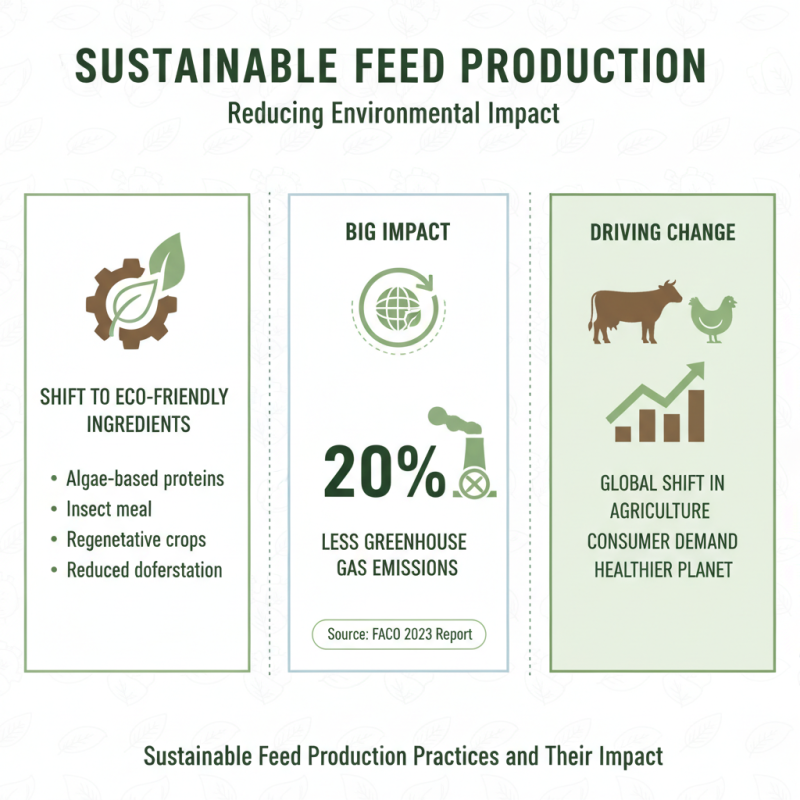
Sustainable Feed Production Practices and Their Impact
Sustainable feed production is gaining momentum in the agricultural sector. The demand for eco-friendly practices has prompted a shift in how we source ingredients. According to a 2023 report by the Food and Agriculture Organization, sustainable practices could reduce greenhouse gas emissions by up to 20%. This is significant when considering the livestock sector's contribution to global emissions.
Adopting local sourcing methods is one way to promote sustainability. It minimizes transportation costs and reduces carbon footprints. Yet, many producers struggle to balance cost with sustainability. Reports indicate that 65% of producers would prefer sustainable practices but cite higher costs as a major barrier. Therefore, there is a real need for innovative solutions that address these concerns.
Recycling by-products is another emerging trend. Using food waste for animal feed can reduce environmental impact. However, not all feeds meet nutritional standards. A 2022 study found that only 40% of by-product feeds fulfill the dietary needs of livestock. This inconsistency raises questions about safety and efficacy, urging the industry to refine its approach. As the industry evolves, a focus on both productivity and sustainability becomes essential.
Technological Innovations in Feed Nutritional Analysis
Technological innovations are transforming
feed nutritional analysis. Advanced tools are now available
for evaluating the nutrient composition of feed. These developments
enhance precision and efficiency in assessing feed quality.
Automated systems assess feed ingredients quickly. They analyze proteins,
carbohydrates, vitamins,
and minerals in real-time. This innovation helps farmers optimize
diets for livestock. Improved formulations lead to better growth rates and overall health.
However, reliance on technology may overlook small-scale variability in feed quality.
Tips for effective nutrition analysis include: regularly calibrating equipment,
and using diverse samples for more accuracy. Consider integrating digital platforms for streamlined data collection.
A regular review of nutritional protocols ensures
adherence to best practices. This keeps you informed about changes in feed quality standards.
Consumer Demand for Transparency in Feed Labeling
Consumer demand for transparency in feed labeling has surged. A recent report by the American Association of Feed Control Officials indicates that over 70% of consumers want to understand the ingredients in their pet's food. This need for clarity fosters trust and encourages brands to provide detailed ingredient lists.
Many consumers are inclined toward natural and organic feeds. They seek assurance that their choices support health and wellness. According to a market analysis by Grand View Research, the global organic feed market is projected to grow significantly, reflecting a shift in consumer preferences toward clean labels. It is crucial for producers to address this trend by offering straightforward labeling, without hidden ingredients.
Tip: Engage with your audience by providing clear, concise information about your feed products. Transparency builds loyalty. Consider using simple language on your labels.
As brands strive for compliance, they must also reflect on their sourcing practices. Transparency should encompass not only ingredients but also the origins. Consumers now expect brands to take responsibility for their supply chains. This calls for a reevaluation of supplier relationships and production methods.
Tip: Regularly audit your supply chain. Ensure your partners align with the values of transparency and sustainability. Trust is built through consistent practices.