2025 Top 5 Livestock Feed Innovations That Will Transform Farming
In the rapidly evolving realm of agriculture, the livestock feed industry stands at the forefront of innovation, poised to redefine farming practices by 2025. According to a recent report by the Global Feed Industry Association, the global livestock feed market is projected to grow at a CAGR of 4.1%, reaching a value of over $500 billion by 2025. This growth is driven not only by increasing meat and dairy consumption but also by advancements in feed technology that enhance efficiency and sustainability.
Renowned livestock nutrition expert Dr. Jane Foster emphasizes the significance of this evolution in her recent study: “Modern innovations in livestock feed are crucial for achieving sustainable farming practices that meet the demands of a growing population.” As we look ahead, five groundbreaking innovations in livestock feed are set to transform traditional farming methods, improving animal health and product quality while reducing environmental impact. These innovations not only promise increased productivity but also pave the way for a more sustainable agricultural future, illustrating the vital role that enhanced livestock feed plays in the industry.
Revolutionary Nutritional Ingredients for Enhanced Livestock Growth in 2025
The future of livestock farming is set to be revolutionized by innovative nutritional ingredients that prioritize sustainability and enhance animal growth. As the agricultural sector grapples with the challenges of feeding a growing population, we see a significant shift towards microbial food technologies. These advances are crucial in creating diets that not only improve livestock health but also align with the increasing demand for sustainable practices. Fermented proteins, for instance, are emerging as a viable source of nutrition that could constitute around 4% of total protein production by 2050, representing a lucrative market.
Tips: Embracing novel proteins in livestock feed can lead to better growth outcomes while supporting sustainable practices. Farmers should consider incorporating a variety of microbial ingredients that are proven to enhance nutrient absorption and general animal well-being. Additionally, leveraging digital tools can streamline feed management and improve overall farming efficiency.
As we move into 2025, integrating biotechnology with traditional farming methods will be key. Livestock producers must stay informed about the latest trends in bio-revolution that promise not only economic benefits but also a healthier food system. Understanding the implications of these innovations and adapting accordingly can help farmers maximize their productivity while being responsible stewards of the environment.
Sustainable Feed Production Techniques: Minimizing Environmental Impact
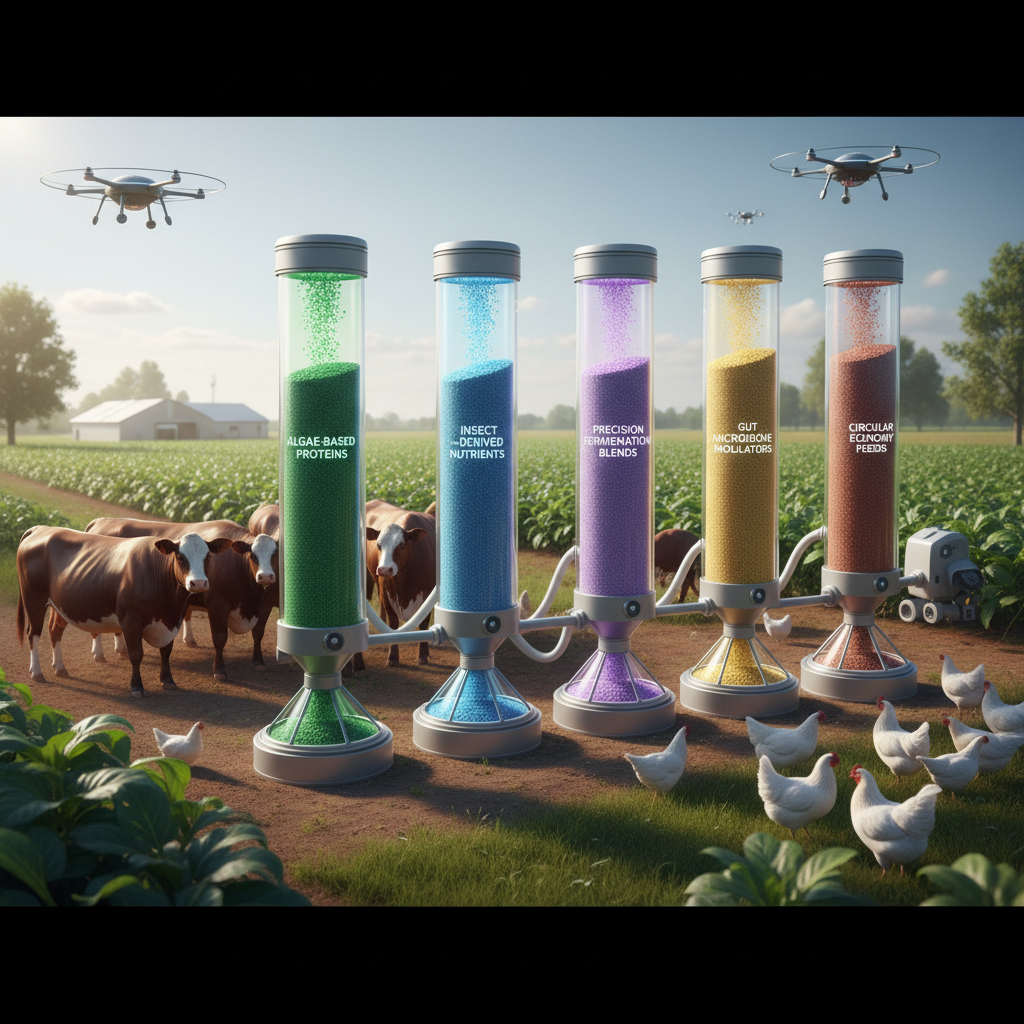
Innovations in livestock feed production are crucial in addressing the twin challenges of food security and environmental sustainability. As farmers seek to minimize their ecological footprint, embracing sustainable feed production techniques is essential. Strategies such as utilizing alternative protein sources, including insects and hemp, significantly reduce reliance on traditional grains, which can be resource-intensive to grow. These innovative feeds not only enhance livestock nutrition but also promote a circular economy, where waste materials are converted into valuable resources.
Tips for sustainable feed production include exploring local ingredient sourcing to lower transportation emissions and support regional economies. Implementing precision agriculture techniques can also optimize feed conversion ratios, ensuring animals receive the right nutrients with minimal waste. Additionally, considering the incorporation of fermentation processes can improve the digestibility of feeds, leading to better health outcomes for livestock and reduced methane emissions in ruminants.
By adopting these practices, farmers can significantly reduce the environmental impact of livestock production. Engaging in research and partnerships with universities and agricultural organizations can further foster the development of innovative feed solutions that prioritize both efficiency and sustainability. The future of farming lies in integrating these vital innovations and techniques to create a more sustainable food system.
Innovative Probiotics: Boosting Animal Health and Productivity
Innovative probiotics are set to revolutionize livestock farming by
significantly improving animal health and productivity. These beneficial microorganisms enhance gut health, which
is crucial for nutrient absorption and overall well-being. By introducing specific strains of probiotics into
animal diets, farmers can optimize digestion, reduce the occurrence of diseases, and ultimately enhance growth rates.
This microbial supplementation fosters a balanced gut microbiome, allowing livestock to utilize feed more efficiently,
resulting in better weight gain and feed conversion ratios.
Moreover, probiotics can play a vital role in mitigating stress-related issues
among livestock. Whether from transportation, weaning, or environmental changes, stress can adversely affect animal
health and productivity. Probiotic formulations help bolster the immune system, making
animals more resilient against diseases and stressors. As the industry seeks sustainable solutions that minimize
antibiotic use, probiotics offer a promising alternative that supports animal welfare while reducing reliance on
pharmaceuticals. This innovation not only transforms individual farms but also contributes to a more sustainable
and healthy livestock sector overall.
Smart Feed Delivery Systems: The Future of Precision Livestock Farming
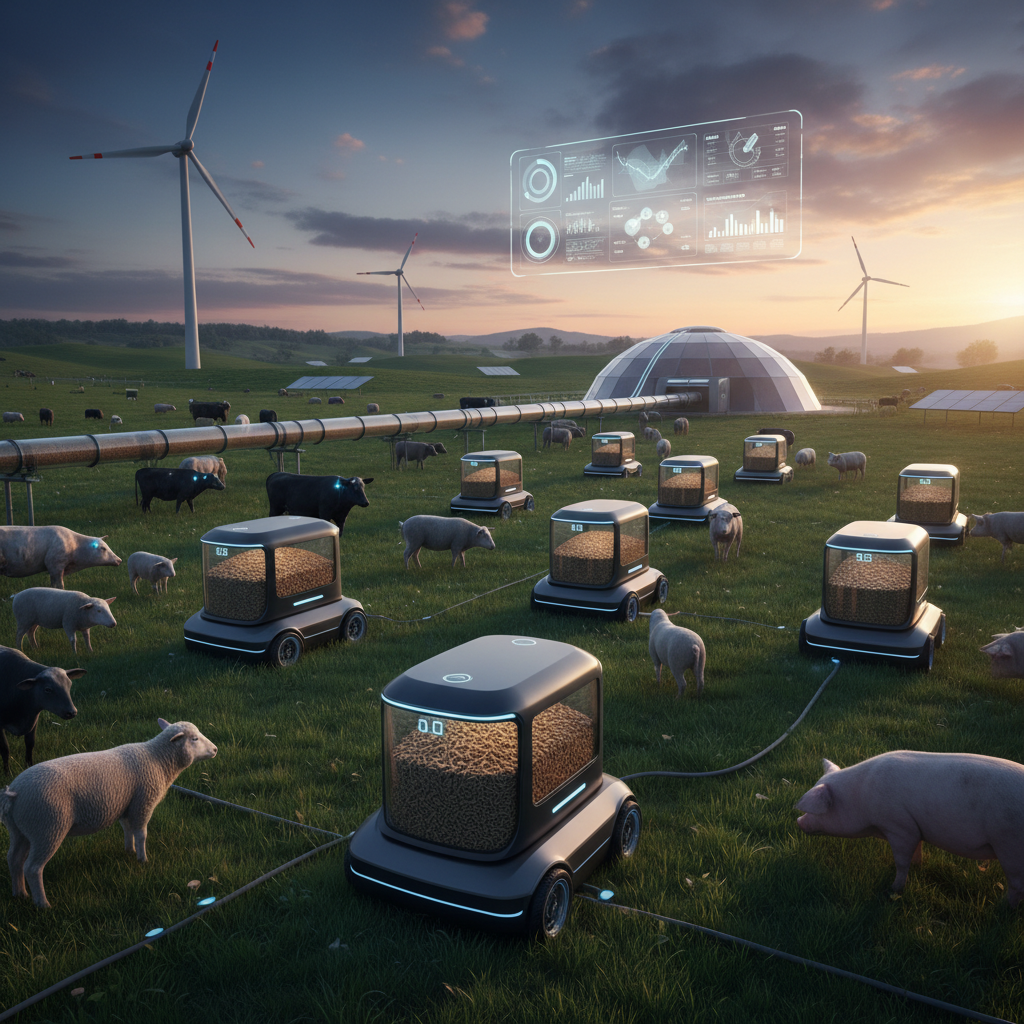
Smart feed delivery systems are poised to revolutionize precision livestock farming by optimizing nutritional efficiency and enhancing animal health. These advanced technologies utilize data analytics, GPS tracking, and automated feeding solutions to ensure that livestock receive tailored diets based on their specific needs. By monitoring individual animal behavior and health metrics, farmers can adjust feed composition and delivery schedules in real time, significantly reducing waste and improving feed conversion ratios.
Moreover, the integration of smart feeding systems fosters greater transparency in farming operations. With real-time tracking and reporting capabilities, farmers can easily access data on feed consumption patterns and overall herd performance. This enhanced visibility supports data-driven decision-making, allowing farmers to quickly identify and address issues that may arise, such as underfeeding or health concerns. As the agricultural sector continues to embrace technology, smart feed delivery systems are key to achieving sustainability and productivity in livestock farming, ultimately leading to a more efficient food supply chain.
Alternative Protein Sources: Reducing Dependency on Traditional Feedstocks
Alternative protein sources are becoming increasingly essential to reduce dependency on traditional feedstocks, particularly in the realm of livestock feed. Recent innovations in the protein production sector highlight the shift toward sustainable and efficient alternatives. For instance, advancements in single-cell proteins have begun transforming the animal nutrition landscape. Reports indicate that such innovations could significantly address the growing protein demand, making them a viable option for farmers looking to enhance nutritional profiles without relying heavily on conventional grains.
Another noteworthy development involves the upcycling of agricultural waste, such as sugarcane fiber. By utilizing byproducts from the sugar industry, companies are crafting high-nutritional animal feed solutions that not only minimize waste but also provide economic benefits for farmers. In fact, the global market for sustainable feed options is projected to grow significantly, reflecting a valuation surge that could reach multi-billion dollar figures by 2030.
**Tip:** Farmers should consider incorporating alternative protein sources into their feeding strategies to promote sustainability and enhance livestock health. Additionally, exploring local agricultural waste as feedstock could provide both economic relief and environmental benefits.
2025 Top 5 Livestock Feed Innovations That Will Transform Farming
| Innovation |
Description |
Benefits |
Sustainability Impact |
| Insect Meal |
High-protein feed made from insects like black soldier fly. |
Rich in protein and fats, improves growth rates. |
Converts waste into feed, reduces landfill use. |
| Algae-based Feed |
Utilizes microalgae to provide essential nutrients. |
High omega-3 fatty acids, supports immune health. |
Low land requirements, carbon sequestration potential. |
| Fungus-derived Protein |
Mycoprotein sourced from fungi for livestock. |
Complete amino acid profile, enhances animal diets. |
Utilizes agricultural by-products, reduces waste. |
| Plant-based Proteins |
Protein extracted from crops like peas and lentils. |
Cost-effective, high nutritional value. |
Promotes biodiversity, lower greenhouse gas emissions. |
| Cell-based Meat Products |
Cultivated meat alternatives for livestock diets. |
Lower food safety risks, ethical sourcing. |
Reduces reliance on extensive animal farming. |