Top 10 Wildlife Feed Suppliers for Global Buyers
Choosing a wildlife feed supplier involves more than comparing prices or browsing a product catalog. Feed must suit the animal, its life stage, and the conditions in which it is cared for. A formula appropriate for one species may not meet another’s needs. Details matter.
For global buyers, consistency is equally important. A dependable supplier should provide clear ingredient information, practical storage guidance, and responsive answers about product specifications. Buyers may also need to check shipping options, lead times, packaging, and documentation before placing an order. These details can affect feed quality after it leaves the warehouse.
This guide introduces 10 wildlife feed suppliers for buyers serving zoos, licensed rehabilitation programs, conservation facilities, and other responsible care settings. It compares useful factors such as product range, customer support, supply capacity, and access to relevant information. A supplier’s presence on this list is not a guarantee that every product suits every animal or location. Not always.
Product descriptions can leave important questions unanswered, and supplier information may change. Buyers should verify current specifications directly and consult qualified animal nutrition or veterinary professionals when selecting diets. That extra step is worthwhile. The right wildlife feed choice depends on animal needs, local conditions, and reliable handling from purchase to use. This overview offers a starting point, not a substitute for careful evaluation.
What Wildlife Feed Suppliers Provide and Which Species They Serve
Wildlife feed suppliers provide more than bags of seed. Their catalogs may include grain blends for songbirds, waterfowl pellets, browse or forage products for deer, and species-specific diets for small mammals in managed care. Some also supply mineral supplements, feeding equipment, and bulk packaging for rehabilitation centers, conservation programs, or wildlife parks.
Fit matters.
A feed designed for adult waterfowl may not suit young birds or another species.
Reliable suppliers should identify ingredients, intended species, storage needs, and basic nutrient information. Buyers can ask for product specifications and ingredient sourcing details, then review them with a wildlife veterinarian or nutrition professional. For example, a center caring for injured songbirds needs food matched to the birds’ species and condition, not merely a convenient seed mix.
A supplier’s technical support can help, but it cannot replace sound husbandry or local ecological guidance. Feed choice also depends on season, habitat, and whether animals are in managed care.
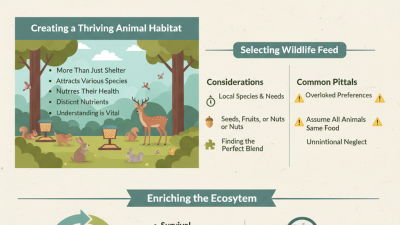
More feed is not always better. In open habitats, poorly placed or unsuitable food can attract unwanted species or create unhealthy dependence. Catalog descriptions can look reassuring; the real fit sometimes takes closer review.
How Buyers Assess Feed Quality, Safety, and Sustainability
For global buyers, feed quality starts with a clear ingredient list and a diet matched to the intended species. Ask suppliers for batch-specific nutrient data, ingredient origins, and storage guidance. A certificate can help, but it should match the product and production lot being purchased. Check that moisture, protein, fat, and fiber levels fit the stated specification. Pellets that crumble in a sample bag may create extra waste during transport and handling. Small details matter.
Safety checks should include documented controls for contamination, pests, and production hygiene. Buyers can request recent test results and confirm how samples are collected. Traceability matters, too: shipment records should connect the finished feed to its batch and ingredient sources. Sustainability deserves the same careful review. Ask whether ingredients are responsibly sourced, whether by-products are used safely, and how packaging and shipping affect waste. Claims can sound polished. Evidence may be less tidy, and that is worth noticing.
Tips: Compare the same measures across suppliers, not just headline prices. Keep a retained sample from each delivery, where practical. Ask how feed should be stored after opening. If answers are vague, pause and request clearer records. A lower-impact option is useful only when its nutrition and safety are suitable for the animals.
Top 10 Wildlife Feed Suppliers and Their Core Product Categories
For global buyers, the strongest supplier shortlist covers different feeding needs, not just low prices. Seed-blend suppliers serve many wild birds with cleaned grains and measured oilseed mixes. Pellet producers offer consistent, species-specific formulations for managed wildlife settings. Insect-feed suppliers provide dried mealworms and other suitable insects. Nectar-mix suppliers focus on hummingbirds and similar nectar-feeding species. Details matter. Ask how ingredients are sourced and stored.
Other core categories include forage and browse suppliers, which provide hay, leaves, or browse material; aquatic-feed suppliers, which supply formulated pellets for managed fish and waterfowl; and grain suppliers, which offer whole grains or cracked cereals. Mineral and calcium supplement suppliers form another category, though use should match professional guidance. Seasonal-feed suppliers adjust blends for changing weather and availability. Formulated-diet suppliers serve specialist care facilities with measured recipes. These ten supplier profiles cover distinct product needs, but their suitability depends on the species and setting.
Compare ingredient lists, batch dates, packaging, and storage instructions before ordering. Request clear product specifications and, where available, testing records. A sealed bag is not proof of freshness. Check that feed is appropriate for the intended animals and follow local wildlife-management guidance. Bulk buying can reduce shipping costs, yet damp storage may ruin a large order quickly. A practical shortlist should weigh traceability, handling, and product fit alongside price. The label can still leave questions.
How Logistics and Regulations Shape International Feed Supply
International wildlife feed shipments depend on more than price and ingredient quality. Buyers should compare transit times, storage conditions, and documentation requirements before confirming an order. Pellets or seed mixes can absorb moisture during long journeys, so sealed, food-grade packaging and clear storage instructions matter. Delays happen. A container waiting at a warm port may face different risks than one moving through a cool, dry route.
Import rules vary by destination and by ingredient. Buyers should confirm current requirements with the relevant government authority and their customs broker, including product descriptions, ingredient declarations, certificates, and labeling details. A missing field can delay clearance, even when the feed itself meets the buyer’s specifications. That matters. Suppliers can help prepare consistent paperwork, but the importer remains responsible for checking local requirements. Build extra time into delivery schedules, especially when seasonal demand is high. A polished shipping estimate is not a guarantee, and even careful forecasts can miss port congestion or inspection delays. Those limits deserve honest discussion before contracts are finalized.
How to Match Suppliers to Wildlife Feeding Programs
Matching a wildlife feed supplier starts with the animals and the feeding plan, not the price list. Identify the target species, life stage, seasonal needs, and intended feeding frequency with qualified wildlife professionals. Then ask suppliers for ingredient details, nutrient analysis, batch consistency records, and clear storage guidance. A product suited to winter support may not fit a breeding-season program. Small differences matter.
Check whether the supplier can deliver reliably to your field site. Ask about lead times, packaging sizes, moisture protection, and what happens if a shipment is delayed. Request a small trial batch when practical, and inspect it for odor, dust, damaged pieces, or signs of moisture. A spreadsheet helps, but it cannot show how feed behaves in a damp storehouse. I have to admit, supplier documents can look convincing while practical details remain unclear; ask follow-up questions and record the answers.
Tips: Compare suppliers using the same criteria. Confirm traceability and storage requirements before ordering. Keep feed dry, monitor leftovers, and review the program with wildlife specialists. More feed is not always better; poorly matched feeding can alter natural behavior or create waste. Start with a modest quantity, observe how it performs, and adjust only when your program’s evidence supports a change.