Why a Quality Feed is Essential for Optimal Livestock Health?
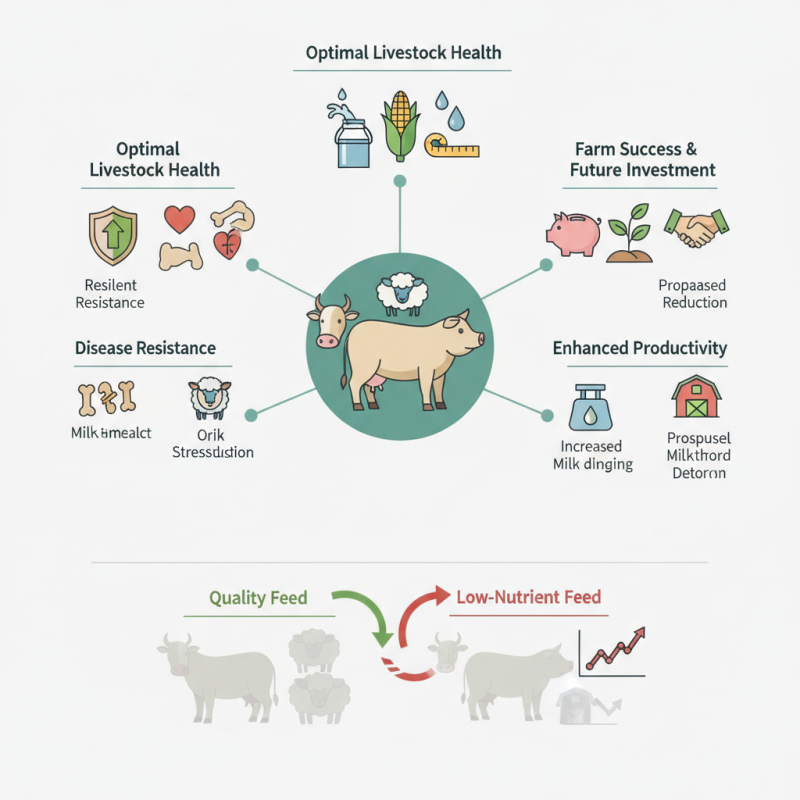
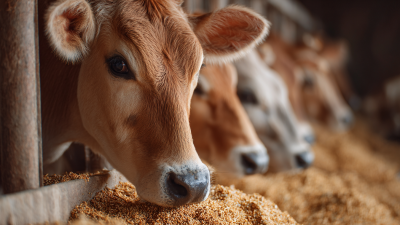
Healthy livestock is crucial for successful agriculture. The foundation of livestock health is quality feed. It directly impacts growth, reproduction, and overall well-being. When animals receive proper nutrition, they are more resilient to diseases and stress.
Quality feed not only supports physical health but also enhances productivity. Animals fed with balanced nutrients show higher milk production and better weight gain. However, many farmers overlook the importance of quality. Some might settle for cheaper, low-nutrient options, which can harm livestock in the long run.
Investing in quality feed is an investment in the future. Proper nutrition leads to healthier animals and better yields. Yet, challenges remain. Farmers must navigate costs and availability. Ultimately, mindful choices about feed can make a significant difference in livestock health and farm success.
The Role of Nutrition in Livestock Growth and Development
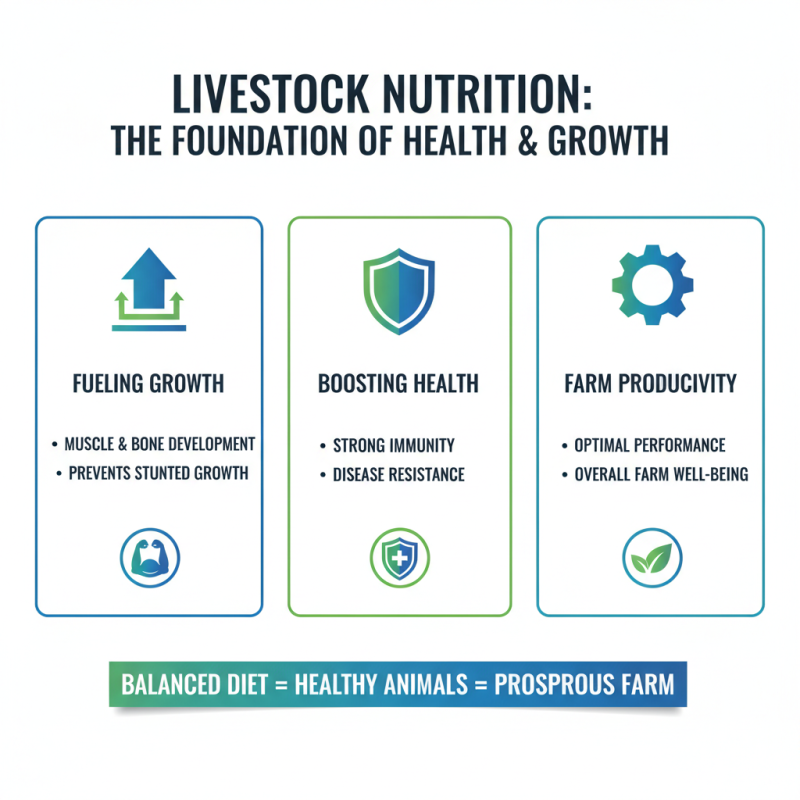
A balanced diet is crucial for livestock growth and development. Nutritional quality directly influences the health of animals. Livestock rely on nutrients to build muscles and bones. Without proper nutrition, growth can be stunted. Animals may become weak and susceptible to diseases. This not only affects productivity but also overall farm health.
Tips: Monitor their diet closely. Less feed might seem economical, but it can lead to long-term issues. Diverse feed is important. Relying on a single type can create nutritional gaps.
Healthy livestock often shows clear signs. Fur should be shiny, and animals should be active. Observe their behavior and weight regularly. If any signs of distress appear, consider revising their diet. Balanced nutrition can prevent these problems. Remember, feeding practices should be evaluated continuously. It's not always easy to get right. Strive for improvement regularly, and be open to changes.
Impact of Feed Quality on Animal Health and Disease Resistance
The quality of livestock feed plays a crucial role in ensuring animal health. When livestock consume high-quality feed, they receive essential nutrients. These nutrients support growth, reproduction, and overall well-being. Poor feed quality, however, can lead to weakened immune systems. Animals may become more susceptible to diseases. An imbalance in nutrients affects their resistance to infections and other health issues.
Feed quality also influences the development of diseases. For example, low-quality feed often contains harmful contaminants. These contaminants can provoke digestive disorders. Animals might experience bloating or diarrhea. Inadequate feed can hinder growth rates and milk production. This situation raises concerns about economic losses for farmers. Proper nutrition is a vital aspect of livestock management.
Despite knowing these facts, many feed producers cut costs. They may prioritize quantity over quality. This approach can lead to serious health problems in the long run. Farmers must remain vigilant about feed choices. Investing time and money into high-quality feed is essential for healthier animals. This requires continual assessment and adjustment of feed programs. The impact of feed quality can’t be overlooked in livestock production.
Key Nutritional Components for Optimal Livestock Feed Formulation
In livestock farming, quality feed plays a vital role in animal health. Essential nutrients must be carefully balanced. Proteins, carbohydrates, fats, vitamins, and minerals contribute to growth and productivity. Each component has a unique function. For instance, proteins are crucial for muscle and tissue development. They should be easily digestible to ensure maximum absorption.
Carbohydrates serve as the primary energy source. However, not all carbs are created equal. Choosing simple sugars over complex ones can lead to health issues. Fats provide a concentrated energy source but should be included in moderation. The right balance prevents obesity and related diseases. Vitamins and minerals are often overlooked, yet they support immune function and overall health.
Creating optimal livestock feed is a complex task. Many farmers rely on generic formulas, missing specific needs of their herds. Each group of animals, whether poultry, cattle, or pigs, has unique requirements. It requires constant observation and adjustments. Neglecting individual needs can lead to poor performance and health issues. Attention to detail makes all the difference in livestock nutrition.
Economic Benefits of Quality Feed on Livestock Production Efficiency
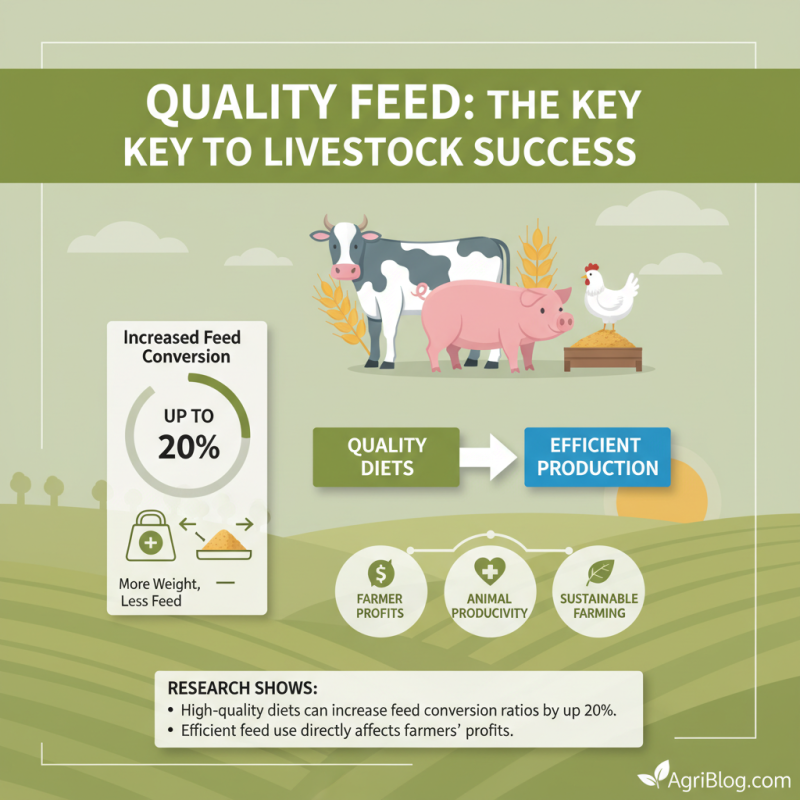
Quality feed plays a vital role in livestock production efficiency. Research shows that high-quality diets can increase feed conversion ratios by up to 20%. This means livestock gain more weight with less feed. Efficient feed use directly affects farmers' profits. It also improves animal health and productivity, creating a sustainable farming model.
In a recent industry report, it was highlighted that poor-quality feed leads to decreased milk production in dairy cows. The loss can be as significant as 10-15% in some cases. Lower production affects the overall profitability of dairy operations. Moreover, high feed costs contribute to many farmers’ financial strain. Investing in quality feed might seem expensive upfront, but it usually pays off over time.
Interestingly, many livestock producers underestimate the impact of feed on their bottom line. They often focus solely on immediate costs. However, the longer-term benefits are substantial. Quality feed enhances growth rates, reduces veterinary costs, and improves meat quality. Livestock raised on optimal diets yield better market prices. Ignoring these factors can be detrimental to a farm's success in the competitive marketplace.
Research Findings on Feed Quality and Livestock Longevity
Feed quality plays a crucial role in livestock health. High-quality feed enhances nutrient absorption and supports growth. Recent studies show a direct link between feed quality and livestock longevity. Animals receiving better feed have improved immune responses. This results in fewer illnesses and higher productivity.
Inadequate feed can lead to deficiencies. Some farmers overlook the importance of understanding feed composition. For instance, high grain diets can lead to digestive issues. Insufficient fiber in cattle feed can affect rumen health. These oversights can significantly impact overall herd performance.
Research indicates that consistent feed quality leads to better animal welfare. Livestock that thrive on balanced diets tend to live longer. Animals under stress due to poor nutrition often show behavioral issues. These factors create challenges in managing a successful farm. Prudent feed management is essential, yet it remains a complex task requiring ongoing reflection.
Impact of Feed Quality on Livestock Health
This chart shows the correlation between feed quality scores and livestock longevity in various studies. Higher quality feed significantly contributes to improved health and longer lifespans for livestock.