10 Nutrition Feed Buying Tips for Global Buyers

Global buyers are entering a nutrition feed market shaped by tighter margins, climate pressure, and uneven supply reliability. Alltech’s Agri-Food Outlook 2024 estimated global feed production at 1.126 billion metric tons in 2023. That figure shows the market’s scale, but it hides major regional differences. Corn quality, soybean meal availability, energy costs, and transport risks can change a purchase decision quickly.

The OECD-FAO Agricultural Outlook 2024–2033 expects continued growth in animal-source food production and feed-crop demand. Buyers therefore need more than a competitive quotation. They need verified specifications, traceable ingredients, stable nutrient values, and realistic delivery terms. As livestock nutrition expert Dr. Frank Mitloehner has stated, “The most effective way to reduce livestock emissions is to improve feed efficiency.” His point matters commercially. Better conversion can reduce waste, lower production costs, and improve environmental performance.

A practical buying process should test supplier experience, laboratory documentation, additive compliance, storage conditions, and contingency planning. Ask for recent certificates, not recycled promises. A low price can still be expensive. Buyers should compare cost per usable nutrient, not cost per tonne alone. They should also review currency exposure, port congestion, and local feed regulations before signing contracts.

Perfect decisions are unlikely. Market data can age quickly. Supplier claims may also require independent checks. These limitations deserve attention, not excuses. The following ten nutrition feed buying tips provide a structured starting point for global procurement teams. They combine industry data, technical review, and practical caution for decisions made beside real warehouses, real invoices, and real production deadlines.

10 Nutrition Feed Buying Tips for Global Buyers

Global Feed Market Scale: 1.126 Billion Metric Tons Produced in 2023

10 Nutrition Feed Buying Tips for Global Buyers

Global Feed Market Scale: 1.126 Billion Metric Tons Produced in 2023

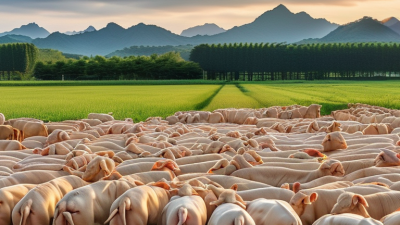
The global feed market produced 1.126 billion metric tons in 2023. This scale makes small purchasing errors expensive. Global buyers should match feed specifications with species, age, climate, and production goals. A cheaper formula may perform poorly when moisture, fiber, or energy values differ. Check protein, amino acids, minerals, vitamins, moisture, and shelf life before comparing prices.

Request a complete laboratory report for every shipment. Confirm sampling methods, test dates, storage conditions, and contaminant limits. Inspect packaging for tears, dampness, unusual odors, or caking. Ask suppliers about ingredient origins, batch traceability, and transport temperatures. Independent testing adds confidence, especially for high-volume contracts. It costs time, but one missed issue can disrupt an entire feeding program. Keep written records.

Compare ten practical points: nutritional accuracy, ingredient consistency, laboratory evidence, traceability, packaging, delivery reliability, storage needs, regulatory compliance, payment terms, and technical support. Local rules may differ sharply, so verify import documents before loading. I have learned that a detailed specification does not guarantee field performance. Animals, weather, water quality, and farm management can change results. Run a controlled trial when possible. Review the results honestly, even when the original buying decision looks reasonable.

Ingredient Quality Verification: Compare Protein, Moisture, Mycotoxin, and Traceability Data

When buying feed ingredients across borders, quality claims need evidence, not polished brochures. Experienced buyers request recent laboratory reports before discussing price. Compare protein results using the same testing method. A small testing difference can change the real value of a shipment. Numbers can mislead.

Moisture deserves equal attention. High moisture may increase storage losses, clumping, or microbial growth during long transport. Check the sampling date, storage conditions, and laboratory method. Mycotoxin data should identify each toxin tested, detection limits, and the actual result. “Below limit” is incomplete without the limit itself. That gap matters.

Traceability should connect the ingredient to its origin, production lot, processing date, and shipping documents. Ask whether the supplier can provide a sealed sample matching the delivered lot. Independent retesting at arrival adds practical protection, especially for high-value cargo. Keep records of temperature, packaging condition, and any damaged bags. In real purchasing work, testing is not flawless; samples can be unrepresentative, and paperwork can contain accidental errors. Review inconsistencies instead of ignoring them. A simple comparison sheet can show protein, moisture, mycotoxins, methods, dates, and lot numbers side by side. Suppliers who answer precise questions clearly usually demonstrate stronger quality control, but confidence should still follow verification.

Supplier Due Diligence: Assess Capacity, Certifications, Lead Times, and Export Compliance

Global buyers should treat nutrition feed purchasing as a supplier audit, not a price comparison. I learned this after a shipment arrived with excellent paperwork but uneven granule size. The product met the stated specification, yet handling became slower. That mistake changed my checklist. Ask for production capacity, not just monthly promises. Request output records for peak seasons, maintenance schedules, and backup equipment. A factory producing 500 tons monthly may struggle when several export orders overlap. Visit the site when possible. Look for clean storage, labeled lots, calibrated scales, and traceable raw-material records.

Verify certifications directly with issuing bodies or official registries. Check scope, expiry dates, production sites, and covered product categories. A certificate for one facility may not cover another warehouse. Request recent audit findings, corrective-action records, and test reports from competent laboratories. Review moisture, protein, contaminant, and microbiological results against destination requirements. Do not accept a generic certificate. It may be genuine but irrelevant. Keep document versions in a controlled folder, with dates and responsible contacts.

Lead time needs evidence. Ask for a written schedule covering order confirmation, production, inspection, loading, and customs documents. Confirm port options, container availability, packaging formats, and holiday shutdowns. Export compliance also requires checking labels, safety data, origin documents, tariff classifications, and import permits. Clarify who handles each document. Put it in writing. A small pilot order can test consistency before a large contract, though it cannot reveal every seasonal risk. Recheck suppliers after changes in site, formula, ownership, or logistics partners. I still leave room for doubt; capacity figures can age quickly, and one successful delivery proves little.

10 Nutrition Feed Buying Tips for Global Buyers - Supplier Due Diligence: Assess Capacity, Certifications, Lead Times, and Export Compliance
Tip Due-Diligence Dimension What to Verify Practical Benchmark or Evidence Buyer Action Risk Indicator
1 Production Capacity Confirm annual capacity, current utilization, dedicated production lines, storage space, and the supplier’s ability to handle seasonal demand. Request a signed capacity statement, recent production schedule, warehouse photos, and a site-audit report. Capacity should cover the contracted volume plus a reasonable contingency. Compare declared capacity with the requested monthly volume and establish an approved production allocation in the contract. Medium
Capacity data cannot be independently supported.
2 Quality Management System Assess documented procedures for raw-material approval, batch control, traceability, non-conformance handling, corrective actions, and product release. Review current quality manuals, internal-audit records, complaint logs, corrective-action reports, and batch-release procedures. Require a quality agreement defining specifications, sampling rules, change notification, rejection rights, and retention-sample requirements. High
Records are incomplete or traceability stops before the finished batch.
3 Certifications and Audits Check whether applicable food-feed safety, quality, environmental, or sustainability certifications are valid and relevant to the product and production site. Verify certificate scope, site address, issue date, expiry date, certification body, audit status, and any open major non-conformities. Obtain certificates directly from the supplier and validate them through the issuing certification body where an online register is available. High
Certificate scope does not include the supplied product or manufacturing site.
4 Product Specifications Confirm active ingredients or nutrient levels, moisture, contaminants, microbiological limits, physical form, packaging, shelf life, and permitted deviations. Use a signed specification with measurable limits, test methods, units, sampling plans, and a clear distinction between target values and guaranteed minimums. Match the specification to the destination market’s feed regulations and the intended animal species before issuing a purchase order. Medium
Specification uses vague terms such as “typical” without acceptance limits.
5 Laboratory Testing Evaluate the supplier’s testing capability for nutrients, heavy metals, mycotoxins, pathogens, pesticides, and other product-specific hazards. Request recent certificates of analysis, laboratory accreditation details, test methods, detection limits, sample identifiers, and test dates. Use independent pre-shipment testing for new suppliers, high-risk ingredients, or destinations with strict contaminant limits. High
Results lack batch numbers, test methods, or independent laboratory verification.
6 Lead Times and Supply Continuity Measure normal production time, order confirmation time, port handling time, transit duration, and contingency arrangements for disruptions. Obtain a written lead-time matrix covering standard orders, peak periods, minimum order quantities, booking cut-offs, and delay-notification rules. Set delivery milestones, service-level expectations, safety-stock requirements, and a communication procedure for delays. Medium
Lead times are quoted as a single estimate with no disruption plan.
7 Export and Import Compliance Verify tariff classification, export permits, veterinary or sanitary documents, labeling rules, certificates of origin, and destination-country registration requirements. Confirm the correct HS code and required documents with customs brokers and the competent authorities in both exporting and importing countries. Make document compliance a condition of shipment and require draft documents for review before cargo departure. High
Supplier cannot identify the required export or destination-market documents.
8 Packaging, Labeling, and Storage Check packaging integrity, moisture protection, palletization, lot coding, storage temperature, humidity controls, and language requirements for labels. Approve packaging drawings and label proofs showing product identity, net weight, batch number, production date, expiry or best-before date, and storage conditions. Specify packaging tests, container-loading photos, seal controls, and procedures for damaged or wet cargo. Medium
Labels or storage instructions differ between samples and shipping documents.
9 Traceability and Recall Readiness Determine whether each finished batch can be traced to raw materials, production records, packaging materials, shipment documents, and customers. Request a completed mock-traceability exercise. A reliable system should identify affected batches and distribution records within a defined internal target time. Include recall cooperation, notification deadlines, record-retention periods, and cost allocation in the supply agreement. High
Supplier cannot link a finished batch to raw-material lots and shipment records.
10 Commercial and Ethical Stability Review payment terms, insurance, contract authority, business continuity, sanctions screening, anti-bribery controls, and responsible sourcing practices. Collect legal-entity documents, bank details under controlled verification, product-liability insurance evidence, and a signed supplier code of conduct. Use staged payments for new relationships, dual approval for bank-detail changes, and periodic supplier requalification. Medium
Ownership, payment instructions, or compliance declarations cannot be verified.
Buyer note: Benchmarks should be adapted to the ingredient type, animal species, intended use, shipment route, and legal requirements of the destination market. Certifications and regulatory documents should be checked for current validity before each material change or renewal cycle.

Cost-to-Value Buying: Calculate Nutrient Cost, Feed Conversion, Freight, and Tariffs

10 Nutrition Feed Buying Tips for Global Buyers

Cost-to-Value Buying: Calculate Nutrient Cost, Feed Conversion, Freight, and Tariffs

Global feed purchases should be measured by usable nutrition, not invoice price. A cheaper ton may deliver less protein, energy, or digestible amino acids. Request current specifications, batch records, and a certificate of analysis. Verify key values with an independent laboratory when volumes are significant. Compare nutrient cost per kilogram, rather than product price alone. Divide the delivered price by the digestible nutrient supplied. This calculation can change the shortlist quickly.

Feed conversion ratio connects purchasing decisions with farm performance. Use recent data from the same species, growth stage, and housing conditions.

A formula costing 420 dollars per ton with an FCR of 1.65 costs about 0.693 dollars per kilogram of gain. A 390-dollar formula with an FCR of 1.78 costs about 0.694 dollars.

The cheaper option is barely cheaper. Results vary.

Calculate the landed cost before approval. Add ocean freight, port handling, insurance, inland transport, duties, and applicable tariffs. A 400-dollar product may gain 85 dollars in freight and fees before reaching the farm. A five percent tariff then adds another 24 dollars. Use written customs guidance for the destination market. Commodity classification mistakes can be expensive.

The calculation remains imperfect when exchange rates move or feed performance changes. Keep a sensitivity sheet for freight, tariffs, and FCR. Recheck it before each major shipment.

Risk-Control Planning: Diversify Sources and Align Contracts with Price Volatility

Global nutrition feed buying requires more than comparing quoted prices. Buyers should qualify several suppliers across different regions, rather than depending on one harvest or transport route. Review production records, laboratory results, traceability documents, and storage conditions before approval. A recent sample may pass testing, yet poor warehouse control can still damage quality.

Use a supplier matrix that tracks protein levels, moisture, delivery performance, currency exposure, and freight costs. Ask for independent testing when specifications are critical. Keep a second source ready, even if its initial price is higher. That option can protect production when a port closes or a crop fails. Two sources are better.

Contracts should reflect changing market conditions. Fixed prices may suit short shipments, but longer agreements need review clauses linked to agreed market indicators. Define quality tolerances, inspection timing, delivery windows, payment terms, and responsibilities for delays. Include practical adjustment rules for currency and freight movements. Avoid vague wording. It becomes expensive later.

Buyers should also test their own assumptions. I once considered a lower offer attractive until freight and retesting costs changed the calculation. My planning was incomplete. A monthly risk review can compare actual costs with the original budget. It should also check supplier concentration and inventory days. Leave room for honest revision.