Top 10 Essential Livestock and Poultry Feed Types for Optimal Growth
The livestock and poultry feed industry plays a crucial role in ensuring the health and productivity of agricultural animals, which directly impacts the global food supply chain. According to the Food and Agriculture Organization (FAO), the global demand for livestock products is projected to increase by 70% by 2050, necessitating an efficient input of quality livestock and poultry feed. As feed constitutes approximately 60-70% of the total production costs in animal husbandry, selecting the right types of feed is paramount for optimizing growth rates, efficiency, and overall animal welfare.
Recent industry reports highlight the significance of understanding the nutritional requirements of various livestock and poultry species. For instance, a study by the Global Feed Executive Group notes that well-balanced diets tailored to specific growth stages lead to higher feed conversion rates and lower mortality rates, ultimately contributing to increased productivity and profitability for farmers. The proper formulation of livestock and poultry feed not only supports animal health but also influences meat and egg quality, which are essential factors for consumer satisfaction in an increasingly competitive market. Therefore, identifying and utilizing the top feed types is essential for anyone involved in the livestock and poultry sectors.
Overview of Livestock and Poultry Feed Types
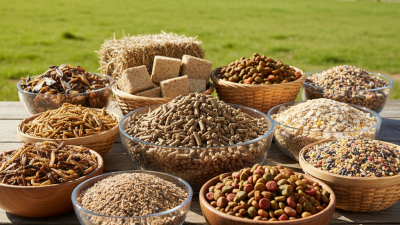
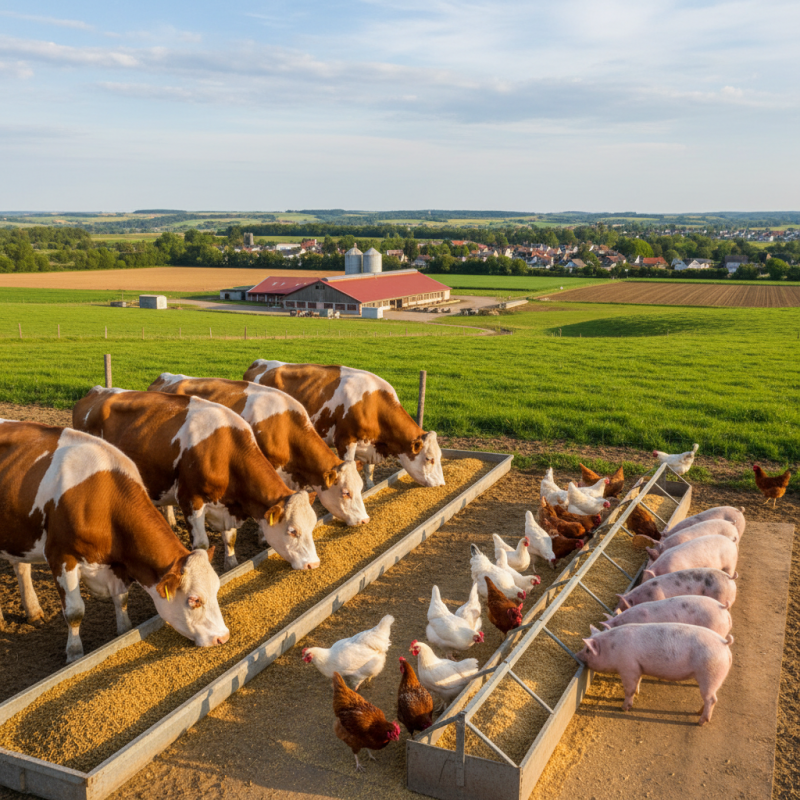
Livestock and poultry feed is critical for ensuring optimal growth and productivity in agricultural operations. The composition and quality of feed directly influence the health, growth rates, and overall production of livestock and poultry. Essential feed types include grains like corn and barley, protein sources such as soybean meal, and energy-rich ingredients like fats and oils.
According to the Feed Ingredient Buyers Guide, about 70% of the total cost of livestock production is attributed to feed, highlighting the importance of selecting the right types.
Incorporating a balanced ration of vitamins, minerals, and protein is vital in promoting growth and reducing feed wastage. Research indicates that livestock receiving a well-formulated feed mix can exhibit up to a 20% improvement in feed conversion ratios. Additionally, it's important to consider the specific needs of each animal group, such as the different requirements between ruminants and monogastrics in terms of fiber and protein levels. Understanding these nuances can lead to more effective feeding strategies.
Tips: When formulating feed, prioritize local ingredients to reduce costs and support regional agriculture. Additionally, regularly monitor the animals’ body condition and growth rates to adjust feed formulas in real-time, ensuring that nutritional needs are being met effectively. This proactive approach can help maintain optimal growth, leading to better overall farm productivity.
Nutritional Requirements for Optimal Growth
Nutritional requirements are crucial for the optimal growth of livestock and poultry. To achieve robust health and productivity, animals require a well-balanced diet that includes essential nutrients such as proteins, carbohydrates, fats, vitamins, and minerals. Each of these components plays a vital role; for instance, proteins are necessary for growth and muscle development, while carbohydrates provide energy for daily activities and metabolism.
Tips for meeting nutritional needs include formulating a diverse feed mix that includes various grain types, legumes, and fiber sources to ensure a balanced intake of essential nutrients. Additionally, it is important to periodically assess the nutritional content of feed ingredients to adjust formulations as necessary.
Another key aspect is ensuring access to clean water, as hydration significantly impacts the digestion and absorption of nutrients. Implementing practices such as frequent monitoring of feed consumption and animal weight can help identify any nutritional deficiencies early on, allowing for timely interventions to promote optimal growth and health in livestock and poultry.
Top Feed Ingredients for Livestock
When it comes to animal husbandry, the quality of feed directly impacts the health and growth of livestock and poultry. According to the Global Feed Survey by Alltech, the global feed industry reached a market value of approximately $470 billion in 2021, emphasizing the importance of selecting the right feed ingredients. Some of the top feed ingredients that ensure optimal growth include corn, soybean meal, and wheat. Corn is widely recognized for its high energy content, making it a staple in livestock diets. Its digestibility allows for more efficient weight gain in cattle and pigs, contributing to faster growth rates.
Soybean meal is another critical ingredient, renowned for its high protein content, which supports muscle development in livestock and poultry. Reports indicate that soybean meal accounts for about 24% of total global feed production. Thus, blending soybean meal into feed formulations not only boosts protein intake but also promotes overall better health in the animals. Additionally, wheat serves as a valuable carbohydrate source, providing essential energy while also contributing to the flexibility of feed formulations in terms of ingredient sourcing. The right combination of these feed types is crucial for achieving maximum performance and efficiency in livestock production systems.
Top 10 Essential Livestock and Poultry Feed Types for Optimal Growth
| Feed Type |
Nutritional Benefits |
Optimal Use |
Animal Type |
| Corn |
High energy source, rich in carbohydrates |
Feedlot cattle and poultry |
Cattle, Poultry |
| Soybean Meal |
High protein content, essential amino acids |
Supplement in various rations |
Poultry, Swine |
| Barley |
Good fiber source, promotes gut health |
Dairy cattle and pigs |
Cattle, Swine |
| Alfalfa Hay |
High in protein and minerals |
Forage for ruminants |
Cattle, Sheep |
| Oats |
Provides energy and aids digestion |
Mix into feed for variety |
Poultry, Horses |
| Wheat Bran |
High fiber, aids in digestion |
Digestive health maintenance |
Poultry, Swine |
| Fish Meal |
Rich source of omega-3 and protein |
Enhances growth in livestock |
Poultry, Swine |
| Coconut Meal |
High in fiber and fat |
Alternative feed ingredient |
Ruminants, Poultry |
| Molasses |
Energy source and palatability enhancer |
Sweetener in feeds |
All livestock |
| Trace Mineral Mixes |
Essential vitamins and minerals |
Supplemental nutrition |
All livestock |
Key Feed Types for Poultry Health
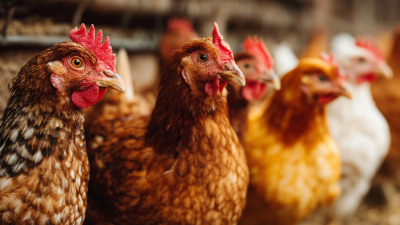
When it comes to maintaining optimal poultry health, the type of feed provided is crucial. Poultry require a well-balanced diet that not only supports growth but also enhances immunity and overall wellness. Key feed types include protein sources such as soybean meal and fish meal, which are essential for muscle development and egg production. Additionally, energy-rich grains like corn and wheat are fundamental for providing the necessary calories needed for metabolic functions and daily activities.
Tips: When selecting feed, prioritize ingredients that are high in nutrients while also considering the specific needs of your poultry. Regularly assess the feed formulation to ensure it meets the growth stages of your birds, as young chicks have different dietary requirements compared to laying hens. It’s also beneficial to include supplements like vitamins and minerals to promote stronger bones and better egg quality.
Fiber is another vital component; include ingredients such as alfalfa and oats to support digestive health. A healthy gut is directly linked to improved nutrient absorption, leading to healthier and more productive birds. Remember to adapt feeding practices based on seasonal changes, as temperature and humidity can affect feed intake and hydration levels.
Best Practices for Feed Management and Storage
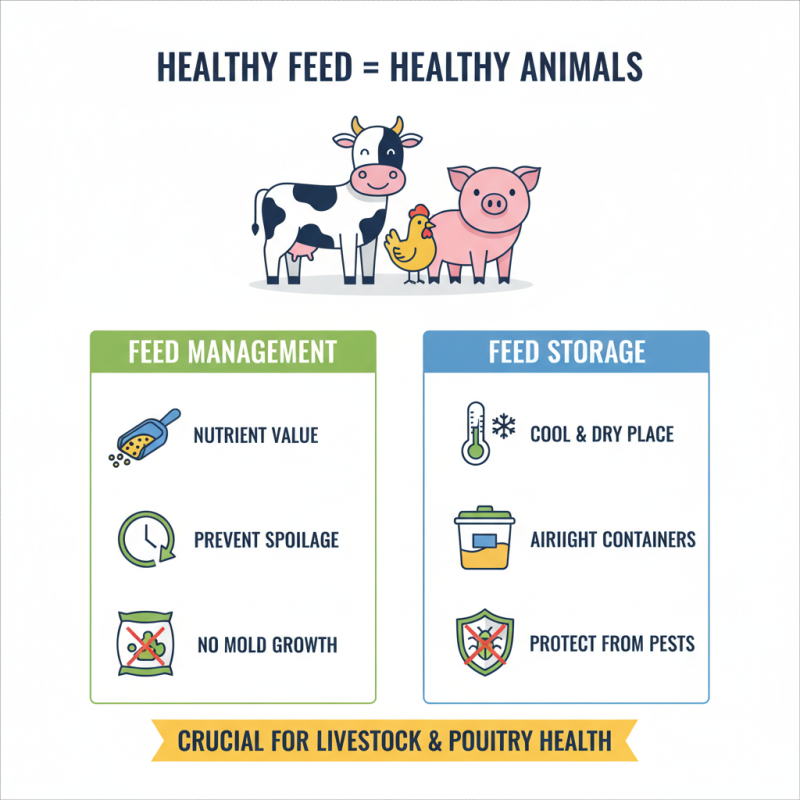
Effective feed management and storage are crucial for livestock and poultry health and growth. Properly managing feed helps in maintaining its nutritional value and preventing spoilage. It is essential to keep feed in a cool, dry place to minimize moisture and prevent mold growth, which can lead to serious health issues in animals. Using airtight containers can also help to keep feed fresh and protect it from pests.
When it comes to feed storage, it is important to regularly check for any signs of spoilage or contamination. Keeping a first-in, first-out (FIFO) system can ensure that older feed is used first, reducing waste and maintaining quality. Additionally, segregating different types of feed can prevent cross-contamination, which is important for the health and dietary needs of various livestock and poultry species.
Tips for effective feed management include ensuring consistent feeding schedules to maintain animal health and growth. Monitoring feed consumption can help identify any health issues early on. Finally, always maintain detailed records of feed types and usage to inform future feeding practices and optimize overall management strategies.