How to Choose the Best Poultry Feed for Global Buyers?

Choosing the poultry best feed is not a simple matter of comparing prices. Global buyers must examine nutrition, consistency, safety, and supplier reliability together. A broiler starter feed may perform well in Brazil, yet fail in a humid Asian warehouse. Climate changes storage conditions. Genetics also change nutrient requirements.

Professor Steve Leeson, a respected poultry nutrition authority, has stated, “Feed is not cheap, but poor nutrition is more expensive.” This principle remains practical for international purchasing teams. A lower-cost formula can create slower growth, weaker shells, uneven breast meat, or higher mortality. Those losses rarely appear on the first invoice.

Look closely at the label. Check metabolizable energy, digestible amino acids, calcium, available phosphorus, vitamins, and enzyme use. Ask for recent laboratory results, not only marketing claims. Mycotoxin controls matter. So do salmonella prevention, batch traceability, and clearly documented ingredients. One torn bag beside a warm loading dock can reveal a larger quality problem.

The best choice depends on the bird, production stage, and local conditions. Broilers, layers, breeders, and backyard flocks need different formulas. Buyers should request feeding trials, supplier references, and certificates from recognized laboratories. Independent verification is valuable.

Still, no formula is perfect. Water quality, ventilation, disease pressure, and management can change results. A feed that looks excellent on paper may disappoint on a real farm. Careful buyers test small volumes first, record performance, and revise decisions when evidence disagrees with expectations.
How to Choose the Best Poultry Feed for Global Buyers?

Understanding Poultry Nutritional Needs Across Different Production Systems

How to Choose the Best Poultry Feed for Global Buyers?

Poultry diets must match the bird, its age, and its production system. Broilers need concentrated energy and balanced amino acids for efficient muscle growth. Layers require adequate calcium, available phosphorus, and vitamin D for strong shells. Pullets need controlled nutrition, not simply rapid weight gain. Feed intake changes with temperature, housing, and disease pressure. In hot climates, birds often eat less. Higher nutrient density may then protect performance, but careless adjustment can increase metabolic stress.

Production conditions matter greatly. Birds raised indoors may receive consistent feed and water throughout the day. Free-range birds consume insects, plants, and soil particles, creating less predictable nutrient intake. Outdoor access also increases exposure to weather and parasites. Feed buyers should review ingredient analysis, storage records, and laboratory results for moisture and mycotoxins. Water quality deserves equal attention. Dirty drinker lines can reduce intake before anyone blames the feed.

Small details matter.

Global buyers should request feeding trials under similar farm conditions. A diet performing well in a cool house may disappoint in humid weather. Ask for clear specifications, traceability documents, and evidence of regulatory compliance in the destination market. A qualified poultry nutritionist can adjust formulas using local grain quality and production data. No formula is perfect on paper. Even experienced teams sometimes overlook seasonal intake changes or uneven feeder access. Regular weighing, egg-shell checks, litter observation, and feed-conversion records reveal problems earlier than appearance alone.

Evaluating Feed Ingredients, Formulations, and Quality Standards

Global buyers should evaluate poultry feed by nutrient value, not by the ingredient list alone.

Corn and wheat supply energy, while soybean meal and other protein sources support muscle growth. However, ingredient quality can change with harvest, storage, and transport. Moisture, mold, rancid oils, and inconsistent particle size can reduce performance.

The 2024 Global Feed Survey estimated global compound feed production at about 1.13 billion metric tonnes in 2023. Poultry feed accounted for roughly 43%. This scale makes small quality differences commercially important.

A reliable formulation should state metabolizable energy, crude protein, amino acids, calcium, available phosphorus, and sodium. Check whether laboratory methods are documented. Compare results with Codex guidance and the importing country’s feed regulations.

The OECD-FAO Agricultural Outlook 2024-2033 also identifies poultry as a major source of future animal-protein demand. That does not justify using the cheapest formula. Feed conversion, mortality, egg size, and litter condition reveal more than price alone. No formula is perfect. Local trials still matter.

Tips:

Request recent certificates of analysis for every major shipment. Test moisture, mycotoxins, protein, and aflatoxin risk independently. Keep sealed samples for traceability. Review performance after two or three feeding cycles, not after one week. I have seen attractive specifications fail when storage conditions were ignored. Buyers should question both unusually low prices and unusually confident claims.

Matching Poultry Feed to Bird Age, Breed, and Production Goals

How to Choose the Best Poultry Feed for Global Buyers?

Matching Poultry Feed to Bird Age, Breed, and Production Goals

Poultry feed should match the bird’s age, not only its species. Chicks need higher protein for muscle and feather growth. Their starter feed should also support a developing digestive system. Growers require balanced energy and amino acids for steady frame development. Layers need calcium, available phosphorus, and suitable energy for shell quality. Broilers need efficient nutrition for safe, uniform weight gain.

Breed and production targets can change the formula. Fast-growing broilers may need denser nutrition than slower-growing strains. Layers with high egg output require careful mineral management. Breeding birds need controlled energy to protect fertility and body condition. Feed intake also changes with heat, humidity, housing, and water access. A practical buying decision should review feed specifications, ingredient quality, storage conditions, and local regulations.

Do not trust appearance alone. A clean-looking pellet may still have poor nutrient balance. Request laboratory results for protein, moisture, calcium, phosphorus, and possible contamination risks. Feed should arrive with clear batch details and shelf-life information. Experienced buyers compare results with farm records, not promises. Watch body weight, egg size, shell strength, feed intake, and mortality. Small changes matter. Yet no formula works everywhere. Local grain quality can vary, and transport delays may reduce freshness. I would review performance after each shipment and adjust cautiously with a qualified poultry nutritionist.

How to Choose the Best Poultry Feed for Global Buyers?

Typical crude protein targets by bird age, breed, and production goal

Feed protein requirements generally decrease as broilers mature, while layer and breeder diets are formulated to support egg production and reproductive performance. The ranges shown are commonly used practical formulation targets for complete feeds; actual specifications should be adjusted for breed genetics, climate, feed energy density, local regulations, and production performance.

Comparing Suppliers, Certifications, Pricing, and Global Logistics

How to Choose the Best Poultry Feed for Global Buyers?

Selecting poultry feed begins with the supplier, not the lowest quotation. Experienced buyers should review factory capacity, batch consistency, technical support, and export history. Ask for recent certificates, not scanned files from years ago. Useful evidence may include HACCP, GMP, ISO systems, laboratory reports, and a complete certificate of analysis. Requirements differ by destination, so confirm them with local authorities and an independent customs broker.

Pricing needs a wider view. Compare the feed cost per kilogram, formulation quality, protein level, additives, packaging, and payment terms. A cheaper offer may create higher costs through poor feed conversion or damaged bags. Request a clear quotation using agreed Incoterms. Include inspection fees, inland transport, insurance, duties, and port charges. I once underestimated destination handling costs; the margin disappeared quickly.

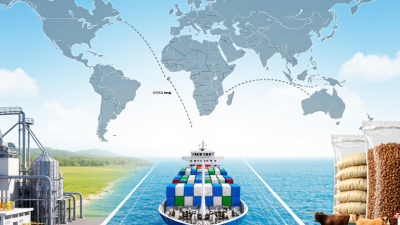
Global logistics can decide whether good feed arrives usable. Check container loading plans, moisture protection, pallet standards, shelf life, and temperature exposure. Sealed bags are not enough when storage conditions are weak. Ask for production dates and loading photographs. Keep retention samples from each shipment when possible. Delays happen. Port congestion, seasonal demand, and document errors can disrupt delivery. Build realistic lead times and a backup route, although smaller buyers may not afford one. No checklist catches every risk. Recheck assumptions before signing.

How to Choose the Best Poultry Feed for Global Buyers? - Comparing Suppliers, Certifications, Pricing, and Global Logistics

Reference Supplier Profile Typical Production Region Suitable Feed Category Typical Crude Protein Common Certification Evidence Indicative FOB Price Typical MOQ Production Lead Time Common Export Packing Estimated Ocean Transit Best Fit for Global Buyers Key Verification Point
Profile A: Large-scale grain-based producer East and Southeast Asia Broiler starter, grower, and finisher feed 19%–22% for complete broiler diets HACCP, GMP, ISO 22000, and local feed-manufacturing registration may be available US$320–520 per metric ton, FOB; formulation and protein level dependent 20–25 metric tons 10–21 days after formula approval and deposit 25 kg or 50 kg woven polypropylene bags; bulk loading may be available 12–30 days to major Asian, Middle Eastern, and African ports Buyers seeking competitive pricing and regular container shipments Check mycotoxin limits, ingredient origin, batch testing, and formula consistency
Profile B: Premium nutrition specialist Western Europe High-performance broiler feed, breeder feed, and specialty premixes 20%–23% for broiler diets; premixes vary by specification GMP+, FAMI-QS for feed additives or premixes, HACCP, and ISO 22000 may be available US$480–850 per metric ton, FOB; specialty additives can increase the price 10–20 metric tons for standard products; higher for customized formulas 14–28 days, including laboratory release and export documentation Multi-wall paper bags, lined PP bags, or sealed premix bags 18–40 days to the Middle East, Africa, Asia, and the Americas Buyers prioritizing traceability, technical support, and documented quality controls Confirm certificate scope, additive compliance, shelf life, and destination-country registration
Profile C: Regional commodity supplier South Asia and selected emerging markets Standard broiler and layer complete feed 17%–21% for complete poultry diets Local manufacturing license, HACCP, or ISO 22000 may be available; certification scope requires verification US$270–450 per metric ton, FOB; grain and soybean meal costs are major variables 10–20 metric tons 7–18 days for standard formulas 25 kg or 50 kg PP bags; container loading usually required 15–35 days to nearby regional ports and selected African destinations Price-sensitive buyers with established local quality-control procedures Request recent laboratory reports, ingredient specifications, and pre-shipment inspection
Profile D: North American export producer North America Corn-soy broiler diets, layer feed, and bulk feed ingredients 18%–22% for complete broiler diets HACCP-based controls, FDA or national feed registration, and third-party quality audits may be available US$350–600 per metric ton, FOB; bulk and container terms differ 20–24 metric tons in bags or approximately 20–26 metric tons in bulk, subject to equipment 14–30 days, depending on formula, season, and export scheduling Bulk containers, 25 kg bags, or 50 lb bags depending on the trade lane 20–45 days to Asia, the Middle East, Africa, and Latin America Buyers requiring large-volume supply and detailed ingredient documentation Review export eligibility, pesticide and mycotoxin limits, container availability, and seasonal surcharges
Profile E: Latin American integrated mill Latin America Broiler feed, layer feed, and regionally adapted formulas 18%–22% for complete poultry diets HACCP, ISO 22000, local agricultural authority registration, and customer-specific audits may be available US$300–550 per metric ton, FOB; port location and grain availability affect pricing 20–25 metric tons 12–25 days after confirmed purchase order 25 kg or 50 kg bags; bulk export may be possible from suitable terminals 18–40 days to the Caribbean, Africa, Asia, and other Latin American ports Buyers sourcing from grain-producing regions or serving nearby markets Verify port congestion, phytosanitary requirements, fumigation rules, and Spanish or Portuguese documents
Data note: Prices, lead times, minimum order quantities, and transit times are indicative international-trade ranges for comparison purposes. Actual quotations depend on ingredient markets, formulation, packaging, Incoterms, destination, container availability, import regulations, and order volume. Certification claims should be confirmed through current certificates showing the issuing body, validity period, site address, and product scope.

Building a Reliable Feed Selection and Quality Control Process

Choosing poultry feed for international supply is not a price exercise. It is a controlled quality decision. Alltech’s Agri-Food Outlook 2024 reported 1.126 billion metric tons of global feed production in 2023. Poultry represented the largest animal-feed category. This scale increases exposure to inconsistent ingredients, storage damage, and supplier delays.

A reliable process starts with a written specification. Define energy, crude protein, amino acids, minerals, moisture, and permitted additives for each production stage. Request recent laboratory results, certificates of analysis, and ingredient traceability records. Test incoming corn and soybean meal for moisture, mycotoxins, protein, and contamination. Codex’s Code of Practice on Good Animal Feeding supports hazard-based controls, but documents alone are not enough. Visit facilities when possible. Check clean bins, sealed transport, calibrated scales, and pest-control records. Small details matter.

USDA Foreign Agricultural Service data estimated global broiler meat production at roughly 103 million metric tons in 2024. That demand makes feed continuity important, yet the cheapest offer may create hidden costs. Compare results by delivered nutrient value, not price per tonne. Keep retained samples from every shipment. Review feed conversion, mortality, litter moisture, and flock uniformity weekly. Trends reveal problems earlier than complaints. My own process would still include a weakness: supplier audits can become routine paperwork. A failed test should trigger investigation, not only rejection. Rotate laboratories occasionally, because trusted systems can still drift.