How to Choose the Best Livestock Feed for Optimal Animal Health and Growth
Selecting the right livestock and feed is crucial for ensuring optimal animal health and growth. As animal husbandry practices evolve, the importance of high-quality feed that meets the nutritional needs of livestock has become increasingly evident. In 2025, farmers and producers will need to be equipped with knowledge on the top feed options that not only enhance growth rates but also contribute to the overall well-being of their animals.
This article aims to guide you through the process of choosing the best livestock feed by highlighting the top 10 feed products for the year. By understanding the specific dietary requirements of different types of livestock, as well as the benefits and potential drawbacks of various feeds, producers can make informed decisions that drive productivity and profitability.
Whether raising cattle, sheep, or poultry, the right combination of ingredients in livestock feed can significantly impact health outcomes, disease resistance, and ultimately, the success of a farming operation.
Join us as we explore how to navigate the landscape of livestock and feed options, ensuring that your animals receive the optimal nutrition they need to thrive.
Understanding Nutritional Requirements of Different Livestock Species
When selecting the best livestock feed, understanding the nutritional requirements of different species is paramount for promoting optimal health and growth. Each type of livestock, whether it's cattle, pigs, or poultry, has specific dietary needs based on age, weight, and production goals. According to the National Research Council (NRC), for instance, beef cattle require approximately 11 to 13% crude protein during the growing phase, while lactating dairy cows may need upwards of 16% crude protein to support milk production. Adjusting feed formulations to meet these requirements ensures animals receive the essential nutrients for growth and overall well-being.
Additionally, the balance of carbohydrates, fats, vitamins, and minerals must be carefully considered. Swine, for example, thrive on a diet rich in digestible carbohydrates, while a proper mineral balance, including calcium and phosphorus, is crucial for bone development in growing pigs. According to the USDA, pigs typically require diets containing about 0.65% calcium and 0.55% phosphorus during their grower phases. By tailoring livestock feed to meet these specific nutritional needs, producers can enhance the health and productivity of their animals, leading to improved performance and profitability in their operations.
Understanding Nutritional Requirements of Different Livestock Species
Evaluating Ingredients: What to Look For in Quality Feed
When selecting livestock feed, evaluating the ingredients is crucial for ensuring optimal animal health and growth. Quality feed should contain a balanced mix of nutrients including proteins, carbohydrates, vitamins, and minerals tailored to the specific needs of the livestock. Ingredients such as high-quality protein sources, energy-dense grains, and beneficial additives should be prioritized. Additionally, the presence of fiber is essential, as it aids in digestion and overall gut health, facilitating nutrient absorption and lowering the risk of metabolic disorders.
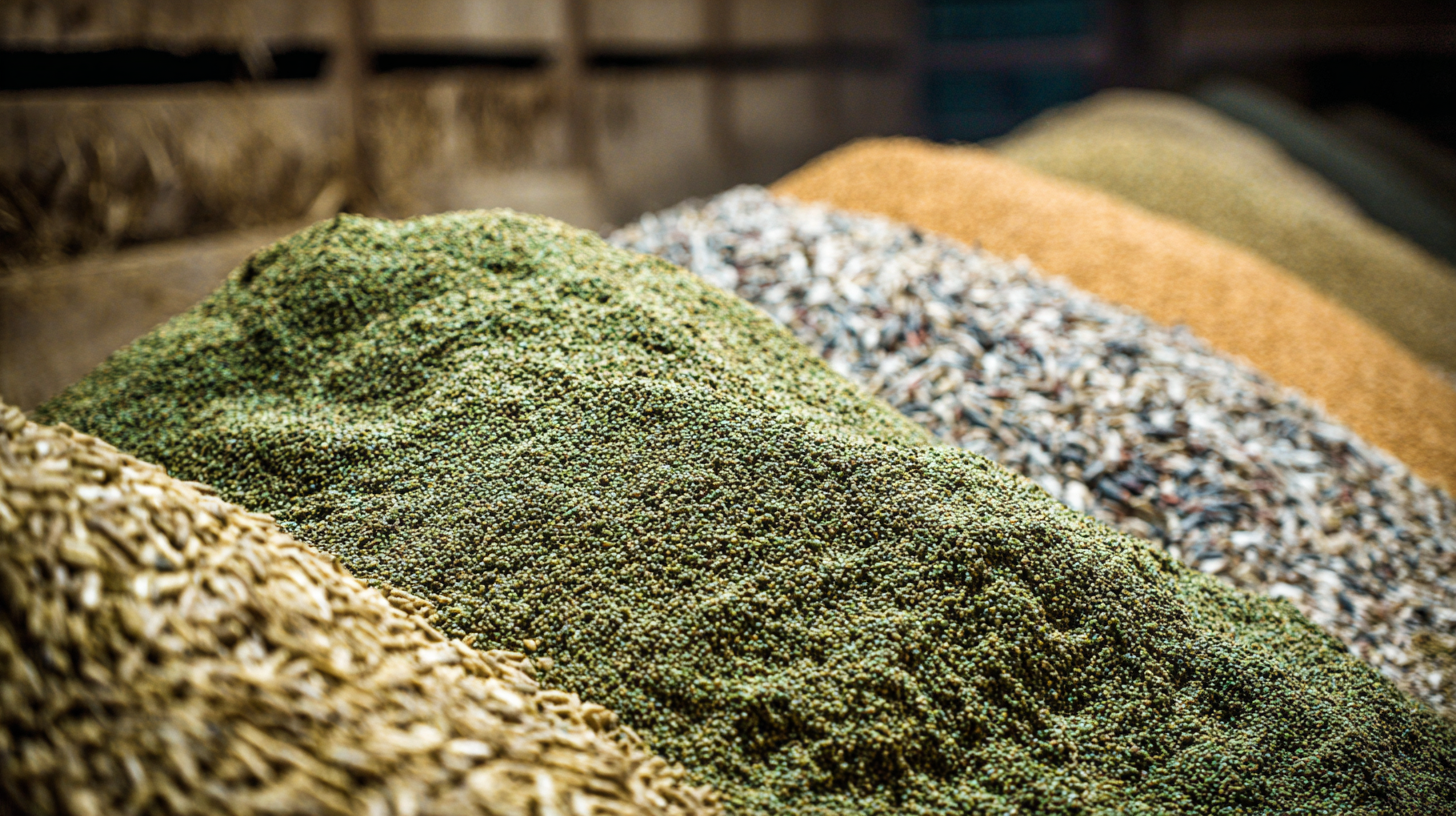
In recent trends, the livestock feed market is witnessing a significant increase in demand for specialized formulations, such as high-fiber feeds, which are gaining traction due to their health benefits. The global market for high-fiber feed ingredients is projected to grow, reflecting a larger shift towards products that enhance animal welfare and performance. Evaluating feed labels carefully, checking for quality certifications, and understanding the source of each ingredient can make a substantial difference in the effectiveness of the feed, ultimately impacting livestock growth rates and production efficiency.
Comparing Commercial Feeds vs. Custom Blends for Livestock
When it comes to choosing the best livestock feed, one critical decision is whether to go with commercial feeds or custom blends. Commercial feeds are formulated by manufacturers to meet specific nutritional standards and are often convenient due to their availability and ease of use. However, these feeds may not always cater to the unique needs of your livestock. Variations in age, breed, and health conditions among animals can lead to an inadequate nutrient intake from standard feeds.
On the other hand, custom blends offer the opportunity to tailor nutrition based on individual or herd requirements. This can result in improved animal health, enhanced growth rates, and better productivity. By working with a livestock nutritionist or feed professional, you can develop a mix that incorporates specific grains, proteins, and minerals suited to your livestock's needs.
Tips: When considering livestock feed options, always analyze your animals’ specific requirements based on their growth stage and health status. Additionally, consult with experts to ensure that the feed you choose aligns with your overall farming goals. Lastly, monitor the animals' performance and health consistently, as this will help you make informed adjustments to their feeding regimen.
Factors Influencing Feed Choice: Cost, Availability, and Nutritional Value
Choosing the right livestock feed is crucial for ensuring optimal animal health and growth, and several key factors influence this decision, primarily cost, availability, and nutritional value. According to the USDA's Economic Research Service, feed accounts for approximately 70% of total livestock production costs. This statistic highlights the importance of selecting a feed that not only meets animals' nutritional needs but also fits within budget constraints. Farmers often must balance high-quality feed that may be more expensive against cheaper alternatives that may not provide complete nutrition, ultimately impacting growth rates and overall health.
Availability is another critical factor in feed selection. The geographic location of a farm can significantly affect the types of feed that are easy to obtain and at what price. A report from the Animal Nutrition Association indicates that regions with a high density of livestock farms often face increased competition for quality feed resources, leading to fluctuations in prices. Furthermore, trends show that farmers are increasingly turning to locally sourced feeds, which may reduce transportation costs and improve feed freshness, signifying a shift toward sustainability in livestock nutrition. Understanding these dynamics helps farmers make informed choices about their feed, ensuring that their animals receive the best possible nutrition for optimal growth.
How to Choose the Best Livestock Feed for Optimal Animal Health and Growth
| Feed Type |
Cost per Ton ($) |
Nutritional Value (CP, %) |
Availability (Monthly Tons) |
Ideal Animals |
| Corn Silage |
150 |
8.5 |
500 |
Dairy Cattle |
| Soybean Meal |
350 |
44.0 |
300 |
Poultry |
| Alfalfa Hay |
180 |
17.0 |
400 |
Beef Cattle |
| Barley Grain |
220 |
11.5 |
250 |
Sheep |
| Oat Hay |
200 |
13.0 |
350 |
Goats |
Monitoring Animal Health: Signs That Your Feed Is Working Effectively
When it comes to livestock feed, monitoring animal health is crucial for ensuring that your feeding strategy is effective. Observing changes in behavior, physical condition, and overall performance can provide significant insights into whether the feed is meeting the nutritional needs of your animals. Healthy livestock typically show signs of vitality—such as good weight gain, shiny coats, and active behavior. Any disparities, including lethargy or weight loss, can signal that the current feed may not be suitable.
Tip: Regularly assess the body condition score of your animals. This score can help you identify if they are underfed or overfed, guiding necessary adjustments in their diet.
Additionally, monitoring feed consumption is essential. Animals that are thriving will generally consume their feed consistently. If there are changes in intake levels, it may indicate a problem with the palatability or nutritional balance of the feed. It's important to act quickly if a drop in consumption is noted, as it can lead to health issues.
Tip: Keep detailed records of feed intake and any observable changes in health or behavior. This information can be invaluable for adjusting feed formulations to better support animal growth and health outcomes.