How to Choose Quality Poultry Feed for Optimal Growth?
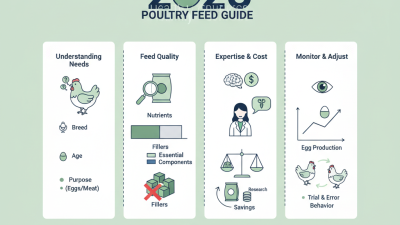
When it comes to raising healthy poultry, selecting quality poultry feed is vital. Dr. Emily Carter, a leading expert in animal nutrition, emphasizes, "The right feed can make all the difference in poultry growth and health." Choosing quality poultry feed ensures optimal growth, enhances immune response, and improves overall production performance.
Quality poultry feed is not just about ingredients; it's about nutrient balance. A well-formulated feed must include essential vitamins, minerals, and proteins. Farmers often find themselves overwhelmed by the variety of options available. Understanding what makes feed "quality" is crucial. It is important to notice inconsistencies in feed labels or to be wary of vague marketing claims that may promise great results without substance.
Feeding practices also play a significant role. Monitoring consumption and adjusting based on growth stages help in optimizing the benefits of quality poultry feed. Yet, many farmers overlook basic principles, such as the need for fresh feed. Reflecting on these aspects can lead to better decisions in poultry management. Quality poultry feed is a foundation for success, and deliberate choices are key.
Understanding Nutritional Requirements for Poultry at Different Growth Stages
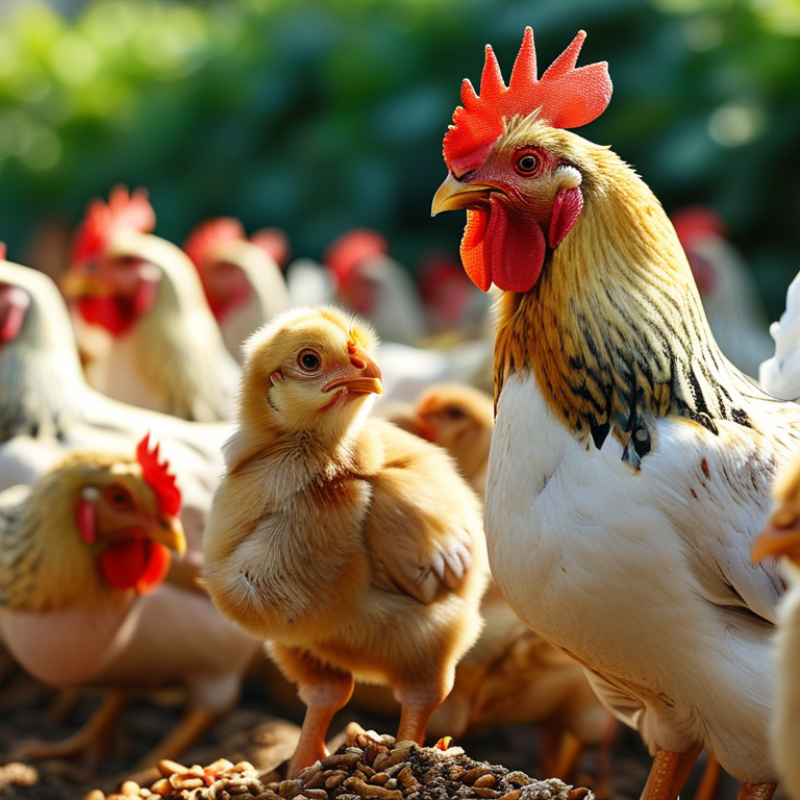
Understanding the nutritional needs of poultry varies significantly across different growth stages. For chicks, protein is crucial for muscle development and overall growth. A diet rich in high-quality protein sources will promote better weight gain. It's essential to provide a balanced mix of vitamins and minerals at this stage. Calcium and phosphorus play vital roles in bone development and egg production later.
As birds progress to the grower phase, their carbohydrate intake should increase. This shift supports the energy demands associated with rapid growth. Providing adequate energy sources while maintaining quality protein is critical. It's important to consider feed texture as well; finely ground feed may hinder proper digestion. Observing how birds respond to different feed types can highlight areas for dietary adjustments.
In the finisher stage, poultry requires a diet tailored for optimal weight and health. Higher energy levels will support growth while preparing birds for market. Risks can arise from overfeeding or imbalanced rations. Continuous monitoring and adjustments based on flock performance are essential. A deep understanding of feeding strategy can lead to significant improvements in overall production efficiency.
How to Choose Quality Poultry Feed for Optimal Growth? - Understanding Nutritional Requirements for Poultry at Different Growth Stages
| Growth Stage |
Nutritional Requirements |
Recommended Feed Composition |
Feed Types |
| Chick (0-3 weeks) |
High protein (18-20%), vitamins and minerals |
Crushed corn, soybean meal, premix vitamins |
Starter Crumbles, Medicated Starter |
| Grower (3-6 weeks) |
Moderate protein (16-18%), calcium and phosphorous |
Ground grains, protein sources, calcium |
Grower Pellets |
| Finisher (6-12 weeks) |
Lower protein (15-17%), energy-rich |
Cereal grains, oils for energy |
Finisher Pellets |
| Adult (12+ weeks) |
Maintenance diet, lower protein |
Balanced feed with grains and forages |
Layer Feed, Maintenance Pellets |
Evaluating Ingredients: Key Components of Quality Poultry Feed
Choosing quality poultry feed is crucial for optimal growth. Evaluating ingredients is a key part of this process. High-quality poultry feed should include proteins, fats, vitamins, and minerals. Protein is essential for muscle development. According to a study, broilers require about 20-24% protein in their feed for optimal growth rates. This significantly affects their body weight gain and feed conversion efficiency.
Fats provide essential fatty acids and energy. A well-balanced diet should contain around 5-8% fat, which supports both growth and overall health. Vitamins and minerals, such as calcium and phosphorus, are vital for bone development and metabolic functions. A report by the National Research Council highlights that deficiencies in these nutrients can lead to reduced growth and other health issues.
Not all feed is created equal. Many commercial options may lack the necessary specific nutrients or contain fillers with minimal nutritional value. Reviewing the ingredient list is essential. Some ingredients may not deliver the nutritional benefits that young birds need for optimal growth. Experimenting with different formulations can yield a more tailored approach, but it also requires monitoring the birds’ responses closely for adjustments.
Assessing Feed Formulations: Balancing Protein, Carbohydrates, and Fats
Choosing the right poultry feed formulation is crucial for healthy growth. A balanced diet ensures that birds receive adequate nutrition. The main components include protein, carbohydrates, and fats. Each plays a significant role in the overall health of poultry.
Protein is essential for growth and development. It supports muscle formation and tissue repair. High-quality protein sources can enhance productivity. On the other hand, carbohydrates are vital for energy. They fuel daily activities and support metabolic functions. Birds often need a reliable source of carbohydrates for optimal energy.
Fats, though sometimes overlooked, are equally important. They support hormone production and overall health. However, too much fat can lead to obesity and other health issues. It's essential to strike a balance. Continuous observation and adjustments may be necessary. Evaluating feed regularly helps ensure the right mix for growth. Balancing these components can be challenging, but it's essential for successful poultry farming.
How to Choose Quality Poultry Feed for Optimal Growth?
In optimizing poultry growth, it's crucial to achieve a balance of protein, carbohydrates, and fats in their feed. This chart illustrates the ideal percentage of these nutrients to support healthy development.
Choosing Feed Types: Crumbles, Pellets, and Mash for Optimal Results
Choosing the right type of poultry feed is crucial for optimal growth and health. Crumbles, pellets, and mash each offer unique benefits. Crumbles are easy for chicks to consume. They provide a balanced nutrient profile and are digestible. However, some birds may waste crumbles if they scatter them around the coop.
Pellets offer a different approach. They are compact and less messy. Birds tend to eat pellets consistently, which encourages even growth. However, not all birds readily accept pellets, especially if they are used to crumbles. Observing how your flock responds is vital.
Mash is another option. It consists of finely ground grains and supplements. Mash can be mixed with water to create a wet feed. This method can enhance palatability and hydration for your birds. Yet, mash can create waste if not consumed quickly. Each feed type has pros and cons. Reflection on your flock's preferences and needs is essential. Understanding their behavior can lead to better feeding practices.
Monitoring Feed Performance: Adjusting Diets for Health and Growth Rates
Monitoring feed performance is essential for poultry producers aiming for optimal growth. Regularly evaluating the feed's nutritional value helps identify its effectiveness. Keep an eye on growth rates and health indicators in your flock. If a noticeable decline occurs, it may signal that the feed is lacking in certain nutrients. Adjusting the diet based on these observations can lead to healthier birds.
The composition of poultry feed can vary widely. It may contain grains, proteins, vitamins, and minerals. However, not all formulations achieve the same results. Some ingredients may fail to meet specific growth requirements. Inadequate protein levels can hinder muscle development in broilers. Observing the birds’ weight gain can provide insight into feed performance.
Frequent assessments can spark questions about current feeding strategies. Are the birds exhibiting signs of stress? Has the feed influenced their behavior positively or negatively? These reflections can guide necessary adjustments. It’s vital to maintain an open mind and a critical approach when analyzing feed effectiveness. The goal remains to foster a thriving, productive flock.