How to Choose the Best Poultry Feed for Healthy Flocks?
Choosing the best poultry feed is crucial for maintaining healthy flocks. The right feed impacts birds' growth, egg production, and overall health. Poultry farmers often face confusion over which products to select. There are many types of feed on the market. Each claims to promote optimal health, but not all are effective.
For example, some feeds are high in protein but low in essential vitamins. Others may contain fillers that don’t contribute to bird wellness. It’s important to understand your flock's specific needs. Age, breed, and purpose can influence their dietary requirements. Healthy chickens are typically more productive. They lay more eggs and gain weight effectively.
However, many farmers overlook the balance of nutrients. Finding the best poultry feed can feel overwhelming. It requires careful consideration and research. Reflecting on your flock's behavior and health can guide your choices. Monitoring their growth and egg output will provide valuable insights. Selecting the best feed is an ongoing process. It's not just about initial choices; adjustments may be needed over time.
Understanding the Nutritional Needs of Poultry Flocks
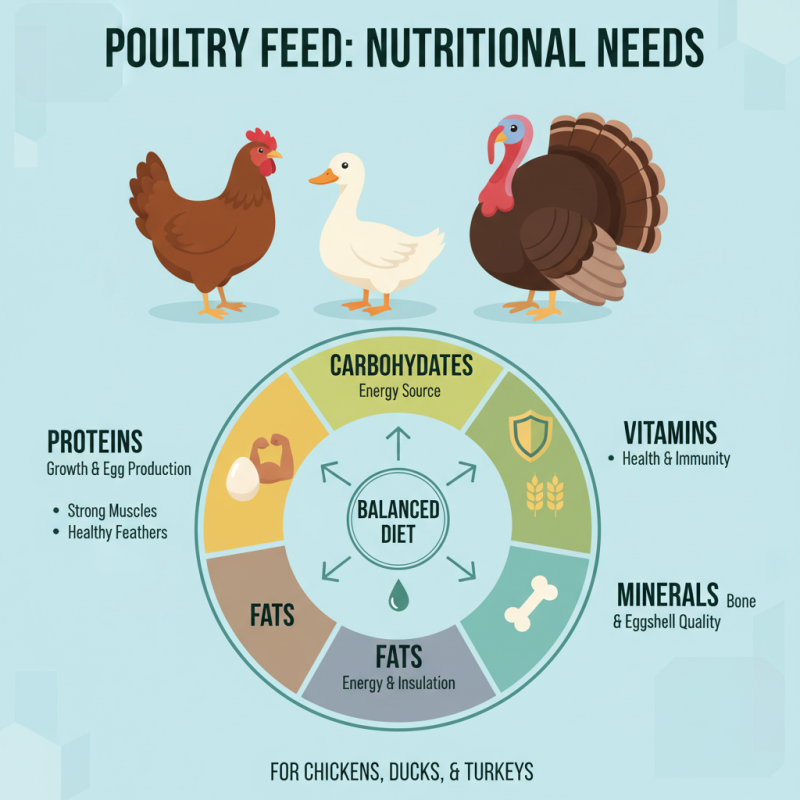
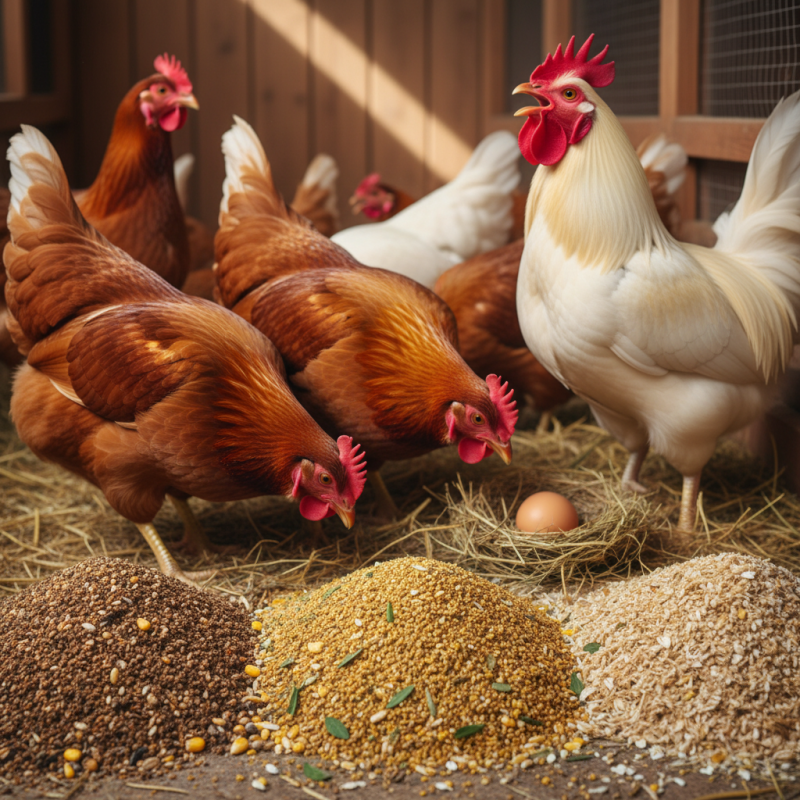
Choosing the right poultry feed requires understanding the nutritional needs of your flock. Poultry, whether chickens, ducks, or turkeys, need a balanced diet. This diet should include proteins, carbohydrates, fats, vitamins, and minerals. Proteins are crucial for growth and egg production. They help birds develop strong muscles and feathers.
Different age groups have different requirements. Chicks need high protein to grow quickly. Layers require a diet rich in calcium for strong eggs. Grain-based diets can lack essential nutrients. Supplementing with greens or protein sources like insects can enhance nutrition.
Farmers often overlook the importance of water. Clean, fresh water is vital for digestion and overall health. Observing your flock’s behavior can reveal nutritional deficiencies. If they seem lethargic or are not laying well, it may be time to reassess their feed. Balancing these needs may take effort, but it is key to maintaining a healthy flock.
Types of Poultry Feed and Their Benefits
Choosing the right poultry feed is vital for flock health. Various types of feed are available, each offering unique benefits. A common choice is layer feed, enriched with calcium and protein. This feed supports egg production in hens. Research shows that proper calcium levels can increase egg shell strength by 30%.
Another popular option is broiler feed. It focuses on rapid growth and high meat yield. Specifically designed for broilers, this feed can significantly shorten the time to market weight. Studies indicate that a balanced protein blend can enhance weight gain by 10-15%.
However, some farmers struggle with feed choice. Not all feeds suit every flock. Nutritional needs may vary based on breed or age. It's crucial to monitor your poultry’s health regularly. Adjust feeds accordingly if you notice issues like poor growth or low egg production. Being flexible and observant can lead to better outcomes.
Key Ingredients to Look for in Quality Poultry Feed
When selecting poultry feed, knowing key ingredients is crucial. Quality feed ensures healthy flocks and better egg production. Look for protein sources like soybean meal or fish meal. These provide essential amino acids for growth. Flocks need energy, too. Carbohydrates from grains like corn or wheat are vital.
Vitamins and minerals are equally important. They support immune health and bone strength. Ensure calcium and phosphorus are present. These are crucial for egg-laying hens.
However, not all feeds contain balanced nutrients. Sometimes, brands focus on fillers rather than quality ingredients, leading to nutritional gaps.
A healthy flock also depends on avoiding harmful additives. Some feeds may contain antibiotics or unnecessary preservatives. This can affect the health of your birds. Consider the source of your feed and any hidden ingredients you might overlook. Regularly evaluating the nutritional content of the feed is essential. Your flock's health could be at stake if you don’t.
Adjusting Poultry Feed Based on Age and Production Stage
Choosing the right poultry feed is crucial for the health and productivity of your flock. Birds at different ages require specific nutrients. Chicks need higher protein for growth, around 20-24% in their diet. This supports muscle development and overall vitality. As they mature, their protein needs decrease to about 16-18%. Layers, however, require more calcium to produce strong eggs.
Adjusting feed based on production stages is essential. For example, when hens start laying, calcium levels should be around 3-4%. This ensures proper eggshell formation. Nutritional needs also change with seasons. In winter, birds may need more energy to stay warm.
Tips: Monitor your flock. Some signs of inadequate nutrition include feather pecking and reduced egg production. Make adjustments as needed. Conduct regular assessments. Analyze your feed choices, ensuring they match the development phase of your birds. Consider local environmental factors, as they affect dietary needs.
How to Choose the Best Poultry Feed for Healthy Flocks?
This chart illustrates the recommended nutritional content of poultry feed based on different production stages and age groups. The values represent the percentage of protein, fat, and fiber needed for optimal growth and production in poultry.
Tips for Storing and Handling Poultry Feed Properly
Storing and handling poultry feed correctly is essential for maintaining flock health. Feed should be kept in a cool, dry place. High temperatures and humidity can lead to spoilage. It’s crucial to use airtight containers. This prevents moisture and pests from ruining the feed.
The storage area should be clean and organized. Regularly check for any signs of mold or insect contamination. If you notice any issues, it's better to dispose of the affected feed. Mixing fresh feed with old ones might seem practical, but it can lead to spoilage. Always label containers with dates. This helps track feed freshness.
Handling should also be approached with care. Use clean scoops to avoid contamination. Wash hands thoroughly before and after feeding the flock. Sometimes, we might overlook these simple practices. However, small oversights can have significant repercussions for poultry health. Reflecting on these details ensures a healthier environment for your birds.
How to Choose the Best Poultry Feed for Healthy Flocks? - Tips for Storing and Handling Poultry Feed Properly
| Feed Type |
Key Ingredients |
Recommended Age (weeks) |
Nutritional Content |
Storage Tips |
| Starter Feed |
Corn, Soybean Meal, Protein Sources |
0-4 |
Crude Protein: 20-24%, Energy: 2800-3000 kcal/kg |
Store in a cool, dry place in airtight containers. |
| Grower Feed |
Corn, Wheat, Mineral Supplements |
5-12 |
Crude Protein: 18-20%, Energy: 2700-2900 kcal/kg |
Keep sealed and monitor for pests regularly. |
| Layer Feed |
Corn, Soybean Meal, Calcium Supplements |
16+ |
Crude Protein: 16-18%, Energy: 2750-2900 kcal/kg |
Store in a pest-free area away from moisture. |
| Finisher Feed |
Corn, Protein Concentrates, Grains |
13+ |
Crude Protein: 15-17%, Energy: 2900-3100 kcal/kg |
Check expiration date and refill containers regularly. |