How to Choose the Best Insulated Lunch Box at Canton Fair?
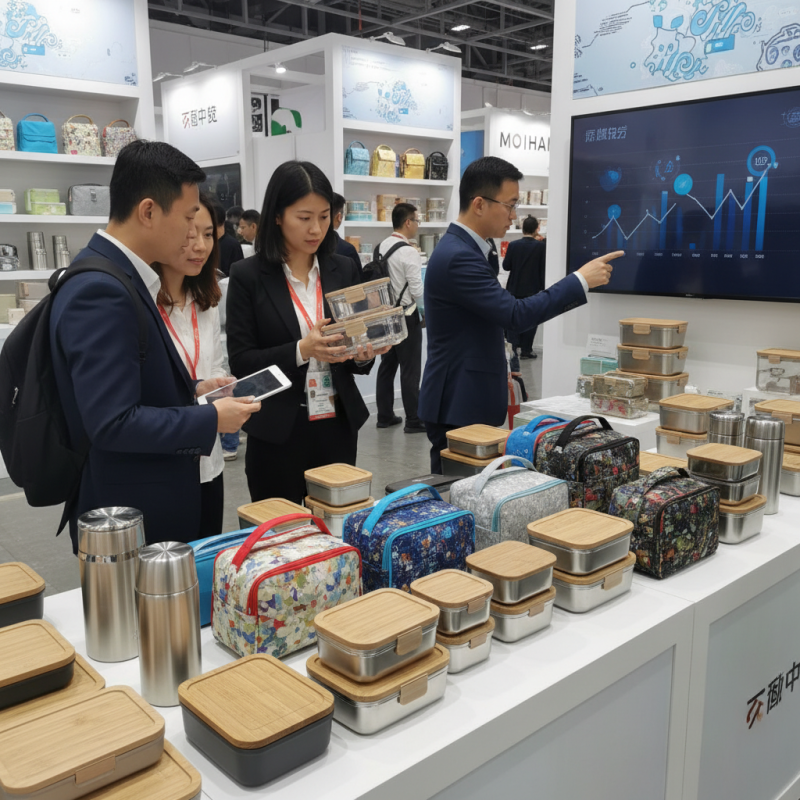
When choosing the best Insulated Lunch Box at the Canton Fair, buyers should be informed and strategic. The growing demand for eco-friendly and functional lunch solutions is evident. According to industry reports, the insulated lunch box market is expected to grow at a CAGR of 6.5% from 2023 to 2030. This trend highlights a shift toward sustainable materials and efficient designs.
At the Canton Fair, the introduction of AI-assisted navigation and smart search functions makes finding suppliers easier. Buyers can filter suppliers based on certifications like ISO and CE. However, it’s crucial not to overlook supplier credibility. Some may promise high-quality products but fail to deliver.
Potential buyers should consider several factors when evaluating insulated lunch boxes. Features such as thermal retention, material safety, and design versatility are paramount. Additionally, understanding consumer preferences and price ranges helps identify the best options. The vastness of the Fair can be overwhelming, so prioritize vendors who meet specific criteria. Reflections on past experiences may guide more informed choices this time around.
Choosing the Right Insulation Material for Lunch Boxes: Key Factors
When choosing an insulated lunch box, insulation material plays a crucial role. Different materials provide varying levels of thermal efficiency. Common choices include foam, gel, and vacuum insulation. Foam is lightweight and affordable, but it may not retain heat or cold as well as vacuum insulation. Vacuum-insulated options are efficient, yet they carry a higher price tag.
Attention to detail in the insulation material can affect your meals. For example, if you prefer soups or stews, a lunch box with excellent thermal retention is vital. Think about how long your food needs to stay hot or cold. A lunch box that maintains temperature for hours can enhance your dining experience. Still, some materials may compromise durability. Always check for quality lapses.
Reflecting on your needs is important. Are you packing for a few hours or a full day? Consider the size of your meals too. A smaller box might be more convenient but could limit meal options. Balancing size, insulation quality, and price is essential. Each factor impacts your overall satisfaction with the insulated lunch box you choose.
Evaluating Size and Capacity: Finding the Perfect Lunch Box Fit
When selecting an insulated lunch box at the Canton Fair, size and capacity are crucial. The ideal lunch box should accommodate various meal portions. Research indicates that over 60% of consumers prefer lunch boxes with a capacity between 1.5 to 3 liters. This range typically holds enough food for a complete meal while remaining easy to carry.
Consider the dimensions of your lunch box too. A compact design might save space in a bag, but it could limit food options. An overly large box might be burdensome. Industry data suggest that users often struggle with boxes that are either too heavy or too bulky. Finding a balance between portability and capacity can be challenging.
Many attendees report that they didn’t think through their needs. They bought lunch boxes that looked great but didn’t fit their meals properly. This mismatch can lead to spills or inadequate food temperatures. Ultimately, assessing your meal prep habits can guide you toward the best size and capacity for your lunch box.
Analyzing Heat Retention Properties: Essential Features to Consider
When selecting an insulated lunch box at the Canton Fair, heat retention is crucial. According to recent industry reports, excellent heat retention can keep food warm for up to eight hours. Materials like stainless steel and high-grade plastic are known for their insulating properties. Many manufacturers claim that double-walled constructions enhance this efficiency. However, not all products live up to these promises.
The thickness of the insulation matters. Thicker layers generally provide better heat retention. An ideal lunch box should have at least 0.08 inches of insulation. Some models focus on lightweight designs, sacrificing insulation for portability. This can lead to food cooling down quicker than expected, impacting meal enjoyment. Also, check if the lid seals tightly. A good seal prevents heat loss, as air leaks can reduce temperature efficiency significantly.
It's important to consider user reviews and testing reports. Some insulated lunch boxes perform well initially but lose their efficiency over time. Reports indicate that regular use may lead to a decline in insulation effectiveness. Consumers should also be aware of how materials can affect food temperature. Plastic components can retain heat but may also release harmful chemicals when heated. Thus, evaluating all aspects is vital for making an informed choice at the Canton Fair.
Understanding Safety Standards: Ensuring Material Compliance and Safety
When choosing an insulated lunch box at the Canton Fair, material compliance is crucial. Look for boxes made from food-safe materials. This ensures no harmful chemicals leach into your food. Check for certifications like BPA-free. These indicators offer insight into safety standards.
Safety is not just a box to tick. It’s about understanding where materials are sourced. Some materials may seem safe but have hidden risks. Test samples when possible. Feel the texture and weight. Light materials may not provide adequate insulation.
Examine the warranty or guarantee offered. This shows the manufacturer's confidence in their product. If they back it up, it means they trust their materials. It’s worth spending time to research each option thoroughly. A little diligence can prevent potential health issues down the line.
Comparative Pricing Trends: Budgeting for High-Quality Lunch Boxes
When attending the Canton Fair, understanding pricing trends is vital. High-quality insulated lunch boxes can vary significantly in price. It’s essential to explore different booths and compare options. Some manufacturers offer competitive pricing, while others may charge a premium for perceived quality or brand recognition.
Budgeting for a lunch box can be tricky. You might find a decent product for as low as $10, but what about durability? Less expensive models often lack features like leak-proof seals or efficient insulation. A lunch box cheaper than $20 may need early replacement, leading to higher costs in the long run.
Reflecting on the features is crucial. Materials matter; BPA-free options are preferable. If a lunch box doesn’t keep meals fresh, it defeats its purpose. Additionally, the design and size should suit your needs. An oversized box might seem appealing, but carrying it could be a hassle. Finding a balance between price and functionality is essential for making a worthwhile investment.
How to Choose the Best Insulated Lunch Box at Canton Fair? - Comparative Pricing Trends
| Lunch Box Material | Capacity (Liters) | Price Range (USD) | Insulation Type | Durability Rating |
| Stainless Steel | 1.5 | $20 - $40 | Vacuum Insulation | High |
| Plastic | 1.0 | $10 - $25 | Thermal Insulation | Medium |
| Bamboo Fiber | 2.0 | $15 - $30 | Eco-Friendly Thermal | Medium |
| Silicone | 0.8 | $12 - $22 | Flexible Insulation | Low |