How to Choose the Best Livestock and Poultry Feed for 2026?
In 2026, choosing the best livestock and poultry feed is more crucial than ever. The global feed market is projected to reach $640 billion by that year. This significant growth highlights the increasing demand for quality feed that meets nutritional needs. The right choice of livestock and poultry feed impacts animal health and productivity.
Many farmers struggle with the overwhelming options available. High prices and varying quality complicate the decision-making process. Reports indicate that poor feed selection can lead to reduced growth rates. It's essential to balance cost and nutritional value effectively.
Additionally, sustainability plays a critical role. Consumers today demand environmentally friendly practices in livestock production. Choosing the right feed is part of a larger commitment to sustainable agriculture. However, finding a truly eco-friendly option requires careful research and reflection. This increasingly complex landscape pressures farmers to adapt quickly. Understanding these factors can lead to informed decisions that benefit both the farm and the environment.
Understanding the Nutritional Needs of Livestock and Poultry in 2026
In 2026, understanding the nutritional needs of livestock and poultry will be more critical than ever. Recent industry reports suggest that livestock require a balanced diet rich in proteins, carbohydrates, fats, vitamins, and minerals. For example, dairy cows need around 16% protein in their diet to maintain optimal milk production. Poultry, on the other hand, thrive on a diet that consists of 18-20% protein for healthy growth.
Finding the right balance of nutrients is not straightforward. Data from the Agricultural Research Service shows that deficiencies in essential amino acids can lead to stunted growth in poultry. Moreover, the rise of feed prices could reduce the quality of feeds used, leading to potential health issues in livestock. Some farmers may overlook the importance of trace minerals, like zinc and copper, which can affect fertility rates in breeding livestock.
Sustainable feed options must also be considered. As climate change impacts grain production, alternative feed sources, such as insects or algae, are gaining attention. However, the nutritional value of these sources remains under study. This reflects a growing need for research and testing to ensure they meet dietary requirements. The feed industry faces both challenges and opportunities ahead.
How to Choose the Best Livestock and Poultry Feed for 2026?
This chart represents the estimated nutritional needs for livestock and poultry feed in 2026. Ensuring that feeds meet these percentages of protein, fat, fiber, carbohydrates, vitamins, and minerals will be essential for optimal animal growth and productivity.
Evaluating Feed Ingredients: Quality versus Cost for Optimal Performance
Choosing the right feed for livestock and poultry is vital for optimal growth. Evaluating feed ingredients can be complicated. Quality and cost often compete against each other. It's crucial to find a balance between these two factors.
Look for high-quality ingredients. They should support healthy growth and enhance production. Grains, proteins, and vitamins should meet animals’ nutritional needs. Consider testing feed samples for nutrient content. This provides insight into their true quality. However, high-quality feeds can come with a higher price tag. It's important to analyze if the extra cost drives better performance.
Sometimes, cheaper feeds seem appealing. But, they might lack essential nutrients. This could lead to poor growth or health issues later. Always reflect on the long-term impacts of feed choices. The goal is not just immediate savings. Investing in better feed can yield healthier livestock and more productive poultry. Numbers should guide decisions, but experience matters too.
Innovations in Feed Technology: Trends to Watch for 2026
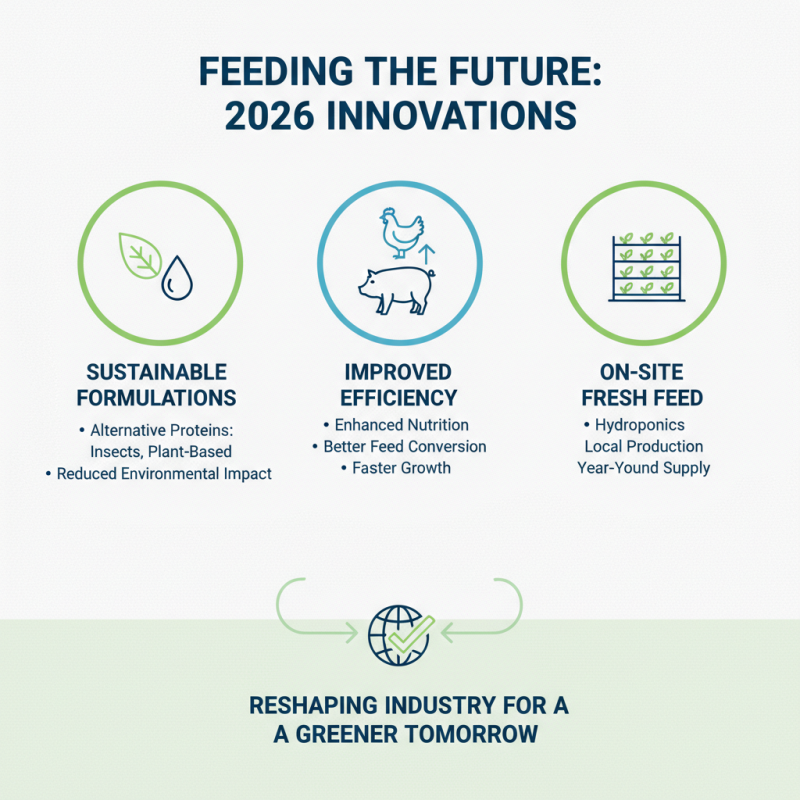
As we approach 2026, innovations in livestock and poultry feed technology are reshaping the industry. New formulations are emerging, focusing on nutrition and sustainability. Alternative protein sources, such as insects and plant-based options, are gaining traction. These improve feed efficiency while reducing environmental impact. Many producers are exploring hydroponics to grow fresh feed on-site.
Precision nutrition is another trend to consider. This involves tailoring diets to specific needs of different livestock and poultry. By using data analytics, farmers can enhance growth and productivity. However, reliable data collection remains a challenge. Managing information while ensuring accuracy can be tough. It is essential to find the right balance between innovation and practicality.
Another aspect to explore is feed additives. Probiotics and enzymes are being integrated to boost digestive health. While promising, the long-term effects of these additives are still being studied. Stakeholders must reflect on the implications of adopting such technologies. Embracing innovation is vital, yet caution is necessary to avoid unforeseen consequences.
Assessing Feed Suppliers: Criteria for Choosing Reliable Partners
When selecting reliable feed suppliers, consider their history and reputation. Understanding their experience in the market helps gauge reliability. Research online reviews and ask for testimonials from other farmers. A supplier with a strong network may offer various feed options that suit your livestock's needs.
Tips: Always verify suppliers' certifications. Meeting quality standards is crucial. Communicate with potential suppliers to assess their responsiveness. Quick answers often indicate good customer service.
Additionally, evaluate their pricing structure. While low prices may be tempting, cheap feed could compromise your livestock's health. Look for suppliers who provide value, even if it means paying a bit more. Not all reputable suppliers have the same pricing, so be cautious.
Reflecting on requirements is key. Your specific livestock needs should drive your decision. Each type of animal may react differently to certain feeds. Testing feed samples before bulk purchases is always a wise choice. Be open to adjusting your feed strategy based on results.
How to Choose the Best Livestock and Poultry Feed for 2026? - Assessing Feed Suppliers
| Criteria |
Importance (1-5) |
Weightage (%) |
Comments |
| Nutritional Quality |
5 |
30 |
Essential for animal health and growth. |
| Supplier Reliability |
4 |
25 |
Timely delivery and stable supply chain. |
| Price Competitiveness |
3 |
20 |
Should offer good value for money. |
| Customer Service |
4 |
15 |
Responsive support and assistance. |
| Certifications and Standards |
5 |
10 |
Compliance with industry regulations is crucial. |
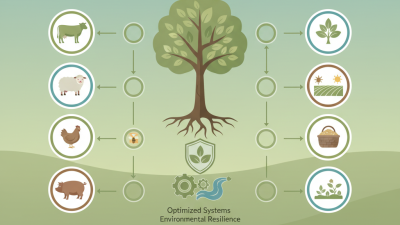
Sustainability Considerations in Livestock and Poultry Feed Selection
Choosing sustainable livestock and poultry feed can be challenging. Farmers must consider environmental impact. Ingredients often come from sources that harm biodiversity.
Alternatives like insect protein or algae are emerging. These options offer nutritional benefits while reducing waste.
Local sourcing is another crucial factor. Importing feed can lead to a larger carbon footprint. Instead, supporting local farmers helps communities while cutting transport emissions.
However, availability may vary, and not every farmer can access these resources. It requires flexibility and patience.
Quality is important, but sustainability shouldn't be overlooked. Relying solely on conventional methods can be risky. Some feeds may contain additives that aren't great for animal health.
Farmers should seek transparency in labeling. Awareness of sustainable practices can guide better choices. Balancing quality and ecological responsibility is not always straightforward.
It requires ongoing reflection and adjustments.