Why is Cattle Feed Essential for Healthy Livestock?
Cattle feed plays a critical role in ensuring the health of livestock. A well-balanced diet supports growth and productivity. Without proper nutrients, animals can suffer. This can lead to poor milk production or reduced weight gain. Farmers know that cattle feed is not just about filling stomachs. It involves providing the right mix of vitamins, minerals, and proteins.
Every animal has unique dietary needs. For instance, calves require different feed compared to mature cattle. Failing to meet these needs can result in deficiencies. Such deficiencies can impact the overall well-being of livestock. It is often a challenge for farmers to find quality feed consistently. Sometimes, cheaper alternatives are tempting, but they may lack essential nutrients. This choice can lead to long-term health issues.
Cattle feed is more than just a regular farm expense; it is an investment in future health. Poor feed quality can lead to costly veterinary bills. Farmers must reflect on their feeding practices regularly. Balancing cost and quality is a tough decision. Effective cattle feed strategies are essential for sustainable livestock farming.
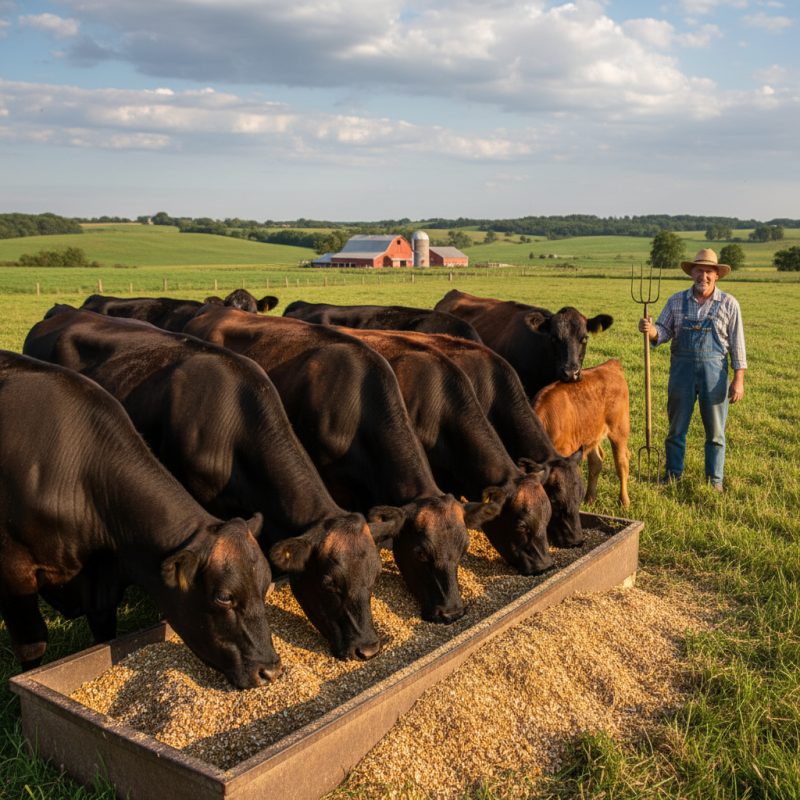
The Role of Cattle Feed in Livestock Nutrition
Cattle feed is crucial for optimal livestock nutrition. It directly impacts growth, reproduction, and overall health. According to the National Cattlemen’s Beef Association, balanced nutrition can increase beef production by up to 15%. This is significant for farmers seeking efficiency. Healthy cattle require a diet rich in protein, carbohydrates, vitamins, and minerals.
The quality of cattle feed influences weight gain. A recent study found that cattle on high-quality feed gained 2.5 pounds more per day than those on lower-quality options. This can lead to higher profits for producers. However, many farmers remain unaware of the specific nutritional needs of their livestock. This lack of knowledge can result in inadequate feed, impacting herd health.
Customization of feed is essential. Each cattle breed has different requirements. For instance, dairy cows need more energy-rich feed compared to beef cattle. Implementing a tailored feeding program could improve milk production by 20% in dairy herds. Yet, some farmers fail to assess their cattle's unique needs. Relying on generic feed can lead to nutrient deficiencies. Hence, continuous education about livestock nutrition is necessary.
Importance of Different Nutrients in Cattle Feed
Cattle feed is essential for maintaining healthy livestock. The nutritional composition of feed determines the health, growth, and productivity of the cattle. This chart illustrates the importance of various nutrients in cattle feed, showing their percentage contributions to overall feed composition.
Essential Nutrients Found in Cattle Feed
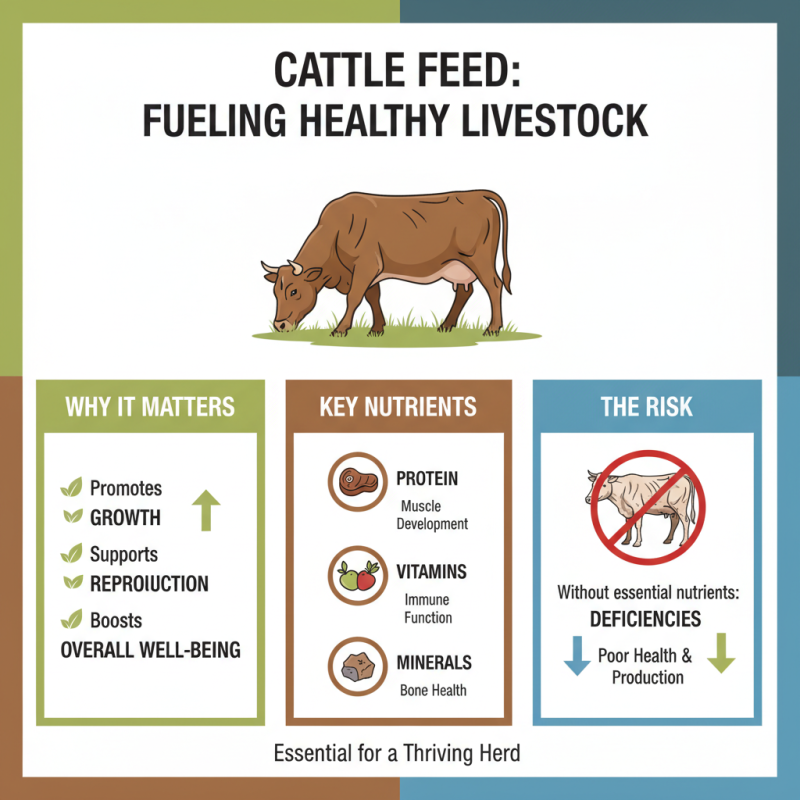
Cattle feed is crucial for maintaining healthy livestock. It provides essential nutrients that promote growth, reproduction, and overall well-being. Protein, vitamins, and minerals are vital components of cattle feed. These nutrients support muscle development and immune function. Without them, livestock may suffer from deficiencies.
Healthy cattle are less prone to diseases. Nutrient-rich diets enhance their resistance to illnesses. For example, calcium and phosphorus are important for strong bones. A deficiency in these minerals can lead to severe health issues. Vitamins like A and E also play a role in immune health.
**Tip:** Always monitor cattle's body condition. Changes may indicate nutritional deficiencies. Regular feed testing can help identify gaps in nutrients.
When formulating cattle diets, variety is key. Different feed types offer unique benefits. Incorporating grains and forages can diversify nutrient intake. However, this can lead to imbalances if not managed well. Always strive for a balanced approach to cattle nutrition.
**Tip:** Consult with a livestock nutritionist. They can help tailor feed based on specific needs. Proper guidance makes a noticeable difference in livestock health.
Effects of Quality Feed on Animal Health and Growth
The quality of cattle feed plays a crucial role in livestock health and growth. Recent studies show that a balanced diet can improve weight gain by 15% to 20%. Inadequate nutrition can lead to poor development and higher mortality rates. Livestock fed high-quality feed have stronger immune systems. This results in fewer diseases and lower veterinary costs.
Quality feed provides essential nutrients. For example, protein is vital for muscle development. Cattle require around 12% to 14% protein in their diet for optimal growth. However, many operations struggle to meet these nutritional requirements. Substandard feed often lacks necessary vitamins and minerals. This deficiency can affect overall health, leading to issues like reduced milk production or stunted growth.
Monitoring feed quality is essential. Regular testing can reveal deficiencies before they become problematic. Reports indicate that farms with rigorous feed quality checks see a 30% decrease in health-related issues. Investing in better feed is a challenge, yet it pays off in the long run. Opting for the best nutrition reduces overall costs and enhances livestock well-being. Addressing these factors is critical for sustainable animal husbandry.
Understanding the Digestive System of Cattle
Cattle have a unique digestive system, essential for their nutrient absorption. Their stomachs consist of four compartments: rumen, reticulum, omasum, and abomasum. This complex system allows them to process fibrous materials effectively. Cattle are ruminants, meaning they can break down tough plant fibers through fermentation. This process enhances nutrient availability.
A study by the Food and Agriculture Organization (FAO) indicates that proper cattle feed can improve milk yield by up to 25%. The right mix of roughage, grains, and concentrates ensures optimal digestion. Weak digestive health can lead to deficiencies. It's crucial to monitor cattle's rumen health regularly. Signs of distress include reduced appetite and abnormal behavior.
**Tips:** Ensure that cattle have access to clean water at all times. Incorporating probiotics in their diet can enhance digestive health. Regularly changing pasture can help prevent digestive issues from overgrazing.
Feeding practices must be observed carefully. Overfeeding or providing imbalanced diets can cause serious health concerns. Adjustments in feed types and amounts should be gradual, allowing time for adaptation. Keeping track of cattle's weight and health can help identify potential problems early.
Why is Cattle Feed Essential for Healthy Livestock? - Understanding the Digestive System of Cattle
| Nutrient |
Function |
Sources |
Recommended Daily Intake |
| Protein |
Builds and repairs tissues, important for growth |
Soybean meal, canola meal, alfalfa |
14-18% of diet |
| Carbohydrates |
Provides energy |
Grains, silage, hay |
60-70% of diet |
| Fats |
Concentrated source of energy |
Vegetable oils, fats |
2-5% of diet |
| Vitamins |
Essential for metabolic functions |
Green forages, mineral blocks |
Varies by vitamin |
| Minerals |
Important for bone health and bodily functions |
Salt, limestone, trace minerals |
Varies based on mineral |
The Impact of Cattle Feed on Milk and Meat Production
Cattle feed plays a crucial role in determining the quality and quantity of milk and meat production. Research shows that a balanced diet can enhance livestock productivity by up to 25%. Proper nutrition affects the health of cattle, leading to higher yield rates and better overall performance. Inadequate feed can lead to lower milk fat content and reduced meat marbling, ultimately impacting market prices.
Using the right combination of grains, proteins, and minerals is vital. A study indicated that cows fed a diet rich in omega-3 fatty acids produced milk with a 30% increase in beneficial fats. This translates to higher-quality dairy products that are more appealing to consumers. Livestock that receive balanced nutrition gain weight faster and reach market readiness sooner, minimizing costs for farmers.
**Tips**: Ensure cattle have access to clean water; hydration affects feed efficiency. Monitor weight regularly to adjust feed accordingly. Keep an eye on feed storage conditions to prevent spoilage, which can lead to health issues. Poor feed management can result in decreased production and profit losses, a reality too many farmers face. It demands ongoing attention and adjustment to feeding practices.