10 Best Farm Animal Feed Options for Healthy Livestock Growth
In the ever-evolving world of agriculture, ensuring the health and growth of livestock hinges significantly on the quality of farm animal feed. According to Dr. Emily Carter, an esteemed animal nutritionist and consultant in the field, "The foundation of productive livestock lies in the nutritional value of their feed." Selecting the right feed can maximize growth, enhance reproductive performance, and ultimately ensure the sustainability of farming operations.
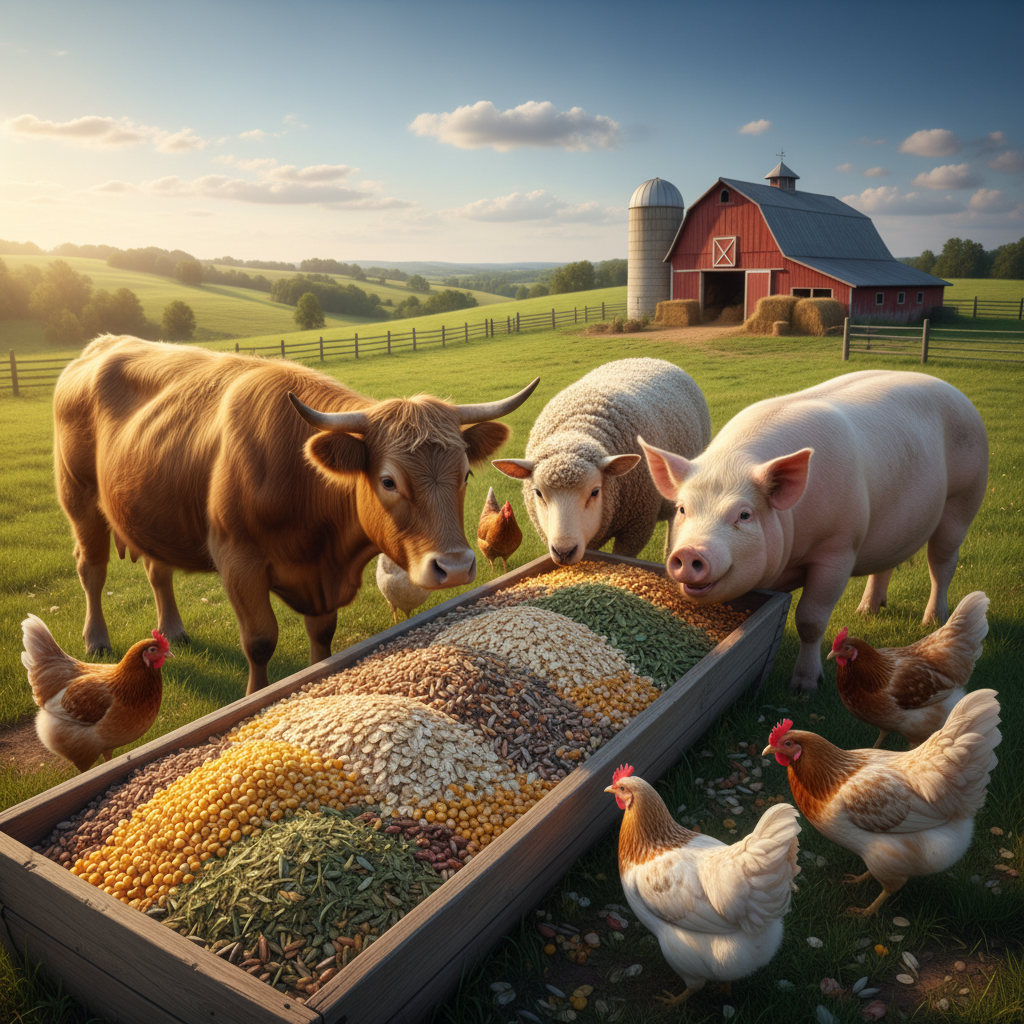
Farm animal feed comes in various forms, each tailored to meet the specific needs of different species of livestock. From grains and forages to specialized supplements, the choices available can profoundly influence the overall health of the animals. As farmers grapple with the challenges of cost, availability, and nutritional adequacy, understanding the best options for farm animal feed becomes crucial. This article delves into the ten best feed options that promote healthy livestock growth, underscoring the importance of strategic feeding practices and their impact on farm profitability.
Understanding the Nutritional Needs of Different Farm Animals
Understanding the nutritional needs of farm animals is crucial for promoting healthy growth and productivity. Different livestock species, including cattle, pigs, sheep, and chickens, have distinct dietary requirements that must be met to ensure their overall well-being. For example, cattle primarily need high-fiber feeds like hay and grass, while pigs thrive on energy-dense grains and protein sources. Each species requires a balanced diet that includes carbohydrates, proteins, vitamins, and minerals tailored to their specific life stages, whether they are growing, reproducing, or lactating.
Furthermore, the nutritional needs of farm animals can vary based on factors such as age, weight, and climate. Young animals, for instance, often require more protein to support rapid growth, whereas adult animals might need a focus on maintaining body condition and productivity. Additionally, environmental stressors can influence dietary requirements; animals under heat stress may require more cooling and hydration support alongside their feed. Understanding these nuances is essential for farmers to optimize feed choices and ensure their livestock remains healthy and productive.
10 Best Farm Animal Feed Options for Healthy Livestock Growth
| Feed Option |
Nutritional Benefits |
Best For |
| Alfalfa Hay |
High in protein and calcium |
Dairy Cows, Pregnant Ewes |
| Corn Grain |
High energy and carbohydrates |
Pigs, Beef Cattle |
| Soybean Meal |
Rich in protein and amino acids |
Poultry, Beef Cattle |
| Oats |
Good fiber source and energy |
Horses, Sheep |
| Barley |
High in digestible fiber |
Cattle, Goats |
| Beet Pulp |
Promotes digestive health |
Horses, Ruminants |
| Rice Bran |
High in fat and essential nutrients |
Poultry, Swine |
| Millet |
Good source of proteins and fats |
Birds, Rabbits |
| Fish Meal |
Rich in omega-3 fatty acids |
Poultry, Swine |
| Sweet Potatoes |
High in carbohydrates and vitamins |
Goats, Sheep |
Types of Feed for Optimal Health of Cattle, Sheep, and Goats
When it comes to ensuring the optimal health of livestock such as cattle, sheep, and goats, the type of feed provided is crucial. Cattle thrive on a mix of forage and grains, which helps in providing the necessary energy and nutrients for their growth. High-quality hay and silage offer essential fiber, while grains like corn or barley can enhance energy levels. Additionally, mineral supplements are vital to address any nutritional deficiencies, promoting better overall health and productivity.
For sheep, a balanced diet that includes high-quality pasture, grains, and protein supplements is essential for maintaining their health. Sheep require a diet rich in protein, especially during lactation or growth stages, so incorporating alfalfa or clover hay can be beneficial. Goats, on the other hand, are browsers and benefit from a diet that includes a variety of plants. They require adequate roughage, minerals, and sometimes grains to support their unique digestive systems. Ensuring that each of these livestock species receives tailored nutrition helps promote healthy growth and longevity.
The Role of Vitamins and Minerals in Livestock Diets
Vitamins and minerals play a crucial role in the overall health and growth of livestock. These micronutrients are essential for various bodily functions, including metabolism, immune response, and reproduction. Animals depend on these nutrients to maintain energy levels, support muscle development, and strengthen their bones. For instance, vitamin A is vital for vision and helps maintain the integrity of epithelial tissues, while vitamin D supports calcium absorption, which is crucial for skeletal health.
Incorporating a balanced supply of minerals such as calcium, phosphorus, and magnesium is equally important. Calcium and phosphorus work together to develop strong bones and teeth, while magnesium plays a key role in enzymatic functions and energy metabolism. Deficiencies in these minerals can lead to significant health issues, such as growth disorders and metabolic diseases. Therefore, ensuring that livestock receive a diet rich in essential vitamins and minerals not only fosters healthy growth but also enhances their resilience against diseases, ultimately leading to more productive and sustainable farming practices.
10 Best Farm Animal Feed Options for Healthy Livestock Growth
This chart illustrates the nutritional components of the 10 best farm animal feed options, highlighting the key vitamins and minerals essential for healthy livestock growth.
Choosing Non-GMO vs. Organic Feed Options for Sustainability
When selecting feed for livestock, the choice between
non-GMO and
organic options
plays a crucial role in sustainability practices within the farming sector. According to a report by the Organic Trade Association, the organic feed market was valued at approximately $1.3 billion in 2020 and has been growing steadily at a rate of about 9% annually. Organic feed not only supports healthier livestock growth but also contributes to ecological balance by eliminating synthetic fertilizers and pesticides. This practice fosters biodiversity and promotes a healthier soil ecosystem, which is essential for long-term agricultural sustainability.
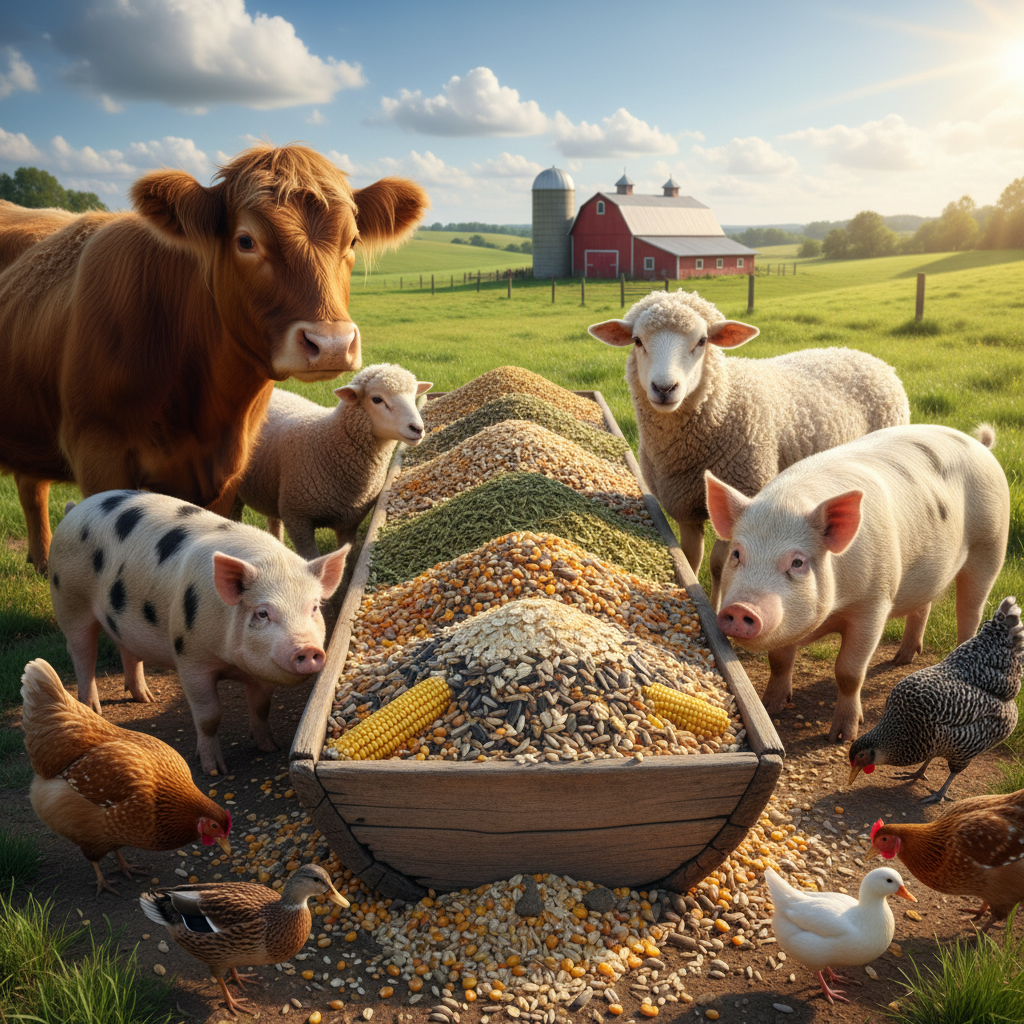
On the other hand, non-GMO feeds, while not necessarily certified organic, offer a compromise for farmers looking to reduce dependency on genetically modified organisms. The Non-GMO Project reports that the demand for non-GMO feed has surged, reflecting a growing consumer preference for transparency and sustainability in food production. Choosing non-GMO options can significantly reduce the risk of unintended genetic material impacting local crops and wildlife. Ultimately, both non-GMO and organic feed options present valuable pathways for farmers aiming to maintain sustainable practices while ensuring the health and productivity of their livestock.
Feeding Strategies for Enhancing Growth Rates and Productivity in Livestock
Feeding strategies play a crucial role in enhancing the growth rates and productivity of livestock. To optimize animal health and performance, it is essential to focus on a balanced diet that meets the nutritional needs of different species. For instance, incorporating high-quality forages combined with grains and protein sources can significantly boost energy levels and encourage muscle development. Additionally, the inclusion of vitamins and minerals tailored to specific livestock needs can improve overall health and immunity, leading to better growth outcomes.
Another effective strategy is the implementation of a scheduled feeding routine. Regular feeding intervals can help regulate digestion and reduce competition among animals, ensuring each one receives adequate nutrition. Furthermore, monitoring body condition scores will enable farmers to adjust feed formulations in real-time, addressing any deficiencies or excesses. Utilizing feed additives like probiotics and enzymes can also promote a healthier gut microbiome, enhancing nutrient absorption and resulting in improved growth rates. By adopting these feeding strategies, livestock producers can not only enhance growth rates but also ensure the long-term productivity and well-being of their animals.