10 Best Chook Feed Options for Healthier Backyard Chickens?
When it comes to raising backyard chickens, choosing the right chook feed is crucial. Renowned poultry nutritionist Dr. Sarah Johnson emphasizes, "The foundation of healthy chickens lies in their diet." This statement reflects the importance of quality feed in promoting the well-being of your chickens.
Selecting the best chook feed can be overwhelming. The market offers a variety of options, from organic grains to specially formulated pellets. Each type has its pros and cons. For instance, while organic feeds boast natural ingredients, they can be pricier and may not suit every budget.
Moreover, neglecting the nutritional needs of your chickens can lead to health issues. For example, a lack of protein can hinder egg production. Conversely, an excess of certain supplements might cause digestive problems. Hence, balancing the feed is essential. Exploring these options will help you make informed decisions. Each chicken has unique needs, and understanding these will contribute to a thriving flock.
Top Nutritional Requirements for Backyard Chickens
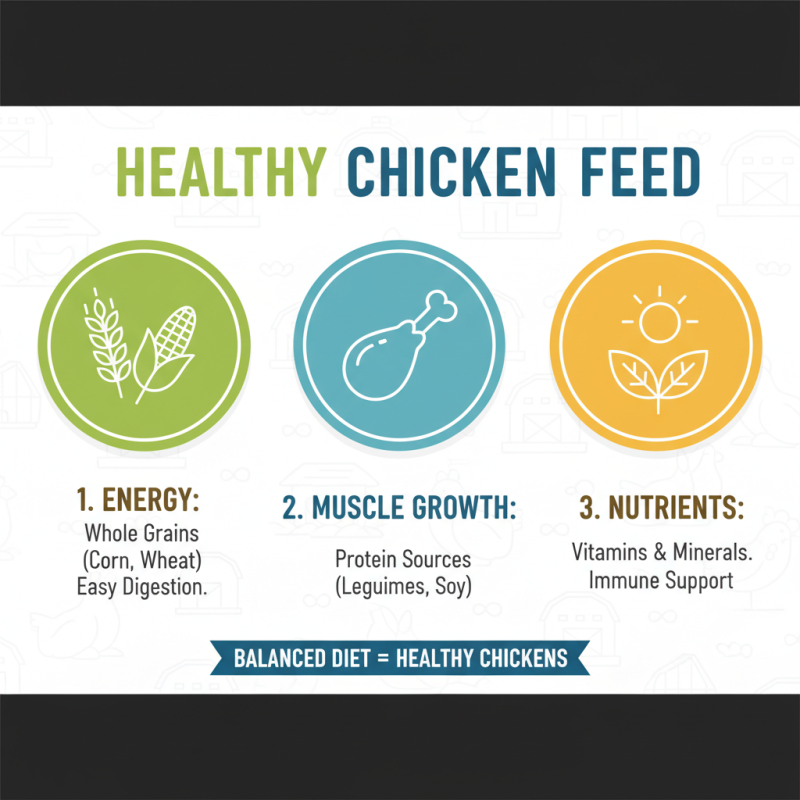
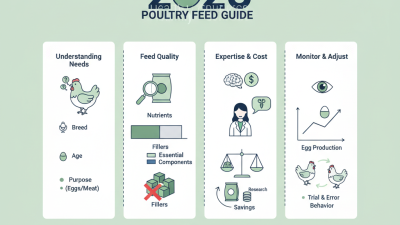
Backyard chickens thrive on a balanced diet. Understanding their nutritional needs is crucial. Chickens require a mix of carbohydrates, proteins, vitamins, and minerals. This combination supports growth, egg production, and overall health.
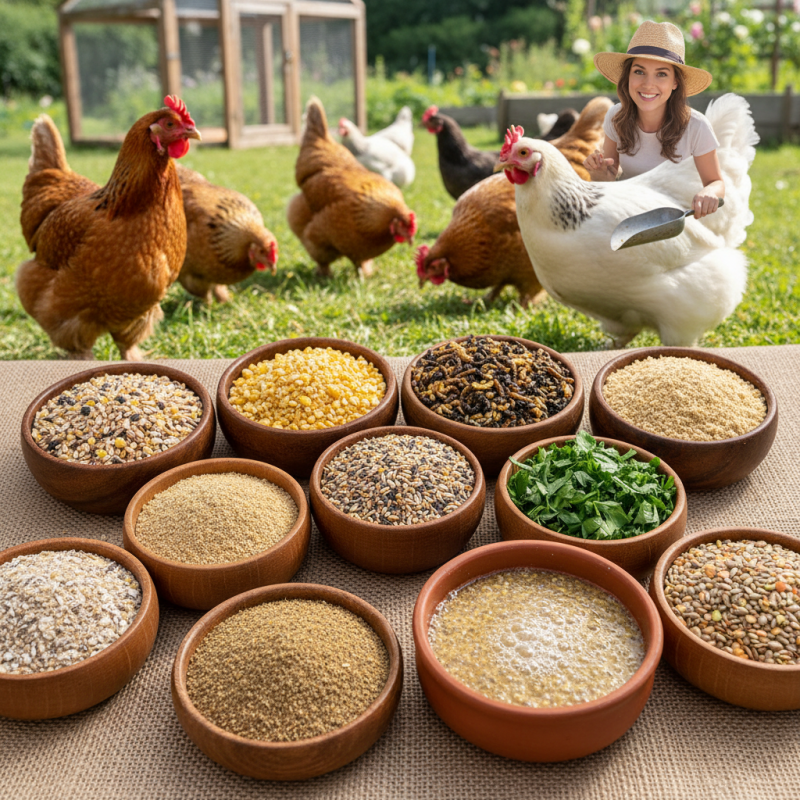
For proteins, consider options like mealworms or legumes. They help build strong muscles and contribute to egg quality. Also, include grains like oats and barley. These are excellent for energy. Fresh greens like kale or spinach can offer vital vitamins. Chickens love them too!
Tips: Ensure clean, fresh water is always available. Hydration is key for digestion and egg laying. Monitor their behavior. Are they energetic? Eating well? If not, adjust their feed.
Keep an eye on the feed type. Some mixes might not provide all essential nutrients. Don't hesitate to experiment. Observe how your chickens respond to changes in their diet. A little trial and error can lead to improved health. Chicken care is a journey, not a perfected science.
Understanding the Different Types of Chicken Feed
Understanding the different types of chicken feed is crucial for backyard chicken owners. Chickens need a balanced diet to thrive. Layer feed, for instance, is rich in calcium. It supports egg production. In contrast, broiler feed promotes fast growth in meat chickens. Nutritional needs vary across breeds and ages. A study indicated that chickens fed a complete diet produced eggs richer in omega-3 fatty acids.
In addition to commercial feeds, many owners consider natural options. Grains, legumes, and kitchen scraps can supplement diets. However, overfeeding certain scraps can lead to nutritional imbalances. Poultry nutritionists recommend maintaining a feed-to-body weight ratio between 4:1 and 5:1 for optimal health. Many backyard chicken keepers overlook this aspect. Testing the diet's impact on egg quality may reveal hidden deficiencies.
Organic feed is gaining popularity, reflecting consumer demand. However, it might not always offer the best nutrition. A report suggested that some organic feeds lack adequate protein levels. This deficiency could affect growth rates and overall health. Owners must remain vigilant about their flock's needs. The right feed type can significantly influence the longevity and productivity of backyard chickens. Regular assessments are necessary for ensuring balanced diets.
Comparison of Commercial vs. Homemade Chicken Feed
When considering chicken feed, there are two main options: commercial and homemade. Commercial feeds are convenient. They are formulated by nutritionists to meet chickens' dietary needs. They contain a balance of proteins, vitamins, and minerals. However, some owners complain about price and quality. Not all brands use high-quality ingredients. This can lead to health issues in your flock.
Homemade chicken feed offers flexibility. You can select specific grains, seeds, and supplements tailored to your chickens' needs. This approach allows for variety and freshness. However, it requires time and knowledge to ensure proper nutrition. If you don’t know what to include, your chickens may miss essential nutrients. Watching your chickens thrive on a balanced diet can be rewarding, but it takes commitment.
The choice between commercial and homemade feed depends on personal preference. Both have pros and cons. Experimenting with both options may help you find the best fit for your backyard flock. Remember, the goal is healthier chickens. Balance is key. A little effort in understanding their needs goes a long way.
10 Best Chook Feed Options for Healthier Backyard Chickens
| Feed Type |
Nutritional Benefits |
Cost |
Ease of Preparation |
Suitable for All Ages |
| Commercial Layer Feed |
High in protein and calcium |
$20-25 for 50 lbs |
Ready to use |
Yes |
| Commercial Grower Feed |
Balanced amino acids |
$20-22 for 50 lbs |
Easy to store |
Yes |
| Mixed Grains |
High in carbohydrates |
$15-18 for 50 lbs |
Moderate effort |
Yes |
| Homemade Vegetable Mix |
Vitamins and minerals |
Varies |
Requires prep time |
Yes |
| Homemade Whole Grains |
Fiber-rich |
Varies |
Simple to mix |
Yes |
| Commercial Starter Feed |
High in protein for chicks |
$20-25 for 50 lbs |
Ready to use |
Yes |
| Supplemental Oyster Shell |
Calcium source |
$10 for 5 lbs |
Easy to distribute |
Yes |
| Fruits and Vegetables |
Natural vitamins |
Varies |
Requires prep time |
Yes |
| Insect Protein |
High in protein |
$30 for 10 lbs |
Easy to mix |
Yes |
Tips for Transitioning Chickens to New Feed Options
Transitioning chickens to new feed options can be tricky. Chickens are creatures of habit. They may resist changes in their diet. Start by mixing the new feed with their regular feed. This helps them adjust slowly. Use a ratio of 25% new feed to 75% old feed. Gradually increase the new feed over a week. This method minimizes stress for your flock.
Observe your chickens during the transition. Some birds may pick at the new feed. Others might completely ignore it. It’s important to monitor their behavior. If they seem hesitant, try offering the new feed at different times of day. Freshness matters; always ensure the feed is not stale. Remember, a healthy diet is key to healthy chickens. Proper nutrition leads to better egg production and overall well-being. Don’t rush the transition. Adjust your approach as needed. Each flock is unique, and their preferences vary.