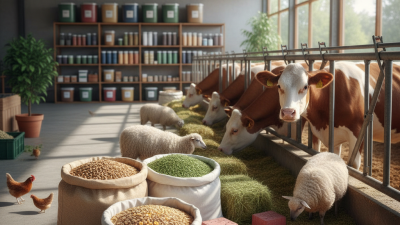
Top 10 Best Animal Feed Options for Optimal Growth and Health
When it comes to nurturing the growth and health of animals, selecting the best animal feed is paramount. The diet of livestock, pets, and wildlife significantly influences their overall fitness, growth rates, and immune systems. A carefully formulated feed not only provides essential nutrients but also supports the animal's natural behaviors and contributes to their well-being. In today's agricultural and domestic settings, the choice of animal feed is more critical than ever, given the increasing demand for healthy animal products.
This article delves into the top 10 best animal feed options that can optimize growth and enhance health. By considering factors such as nutritional content, digestibility, and suitability for different species, we aim to equip animal owners and caretakers with the knowledge necessary to make informed decisions. With a greater understanding of the best animal feed options, caregivers can ensure their animals thrive, promoting better productivity and healthier lives. Whether for farm animals, pets, or exotic creatures, selecting the right feed is an investment in their future health and happiness.
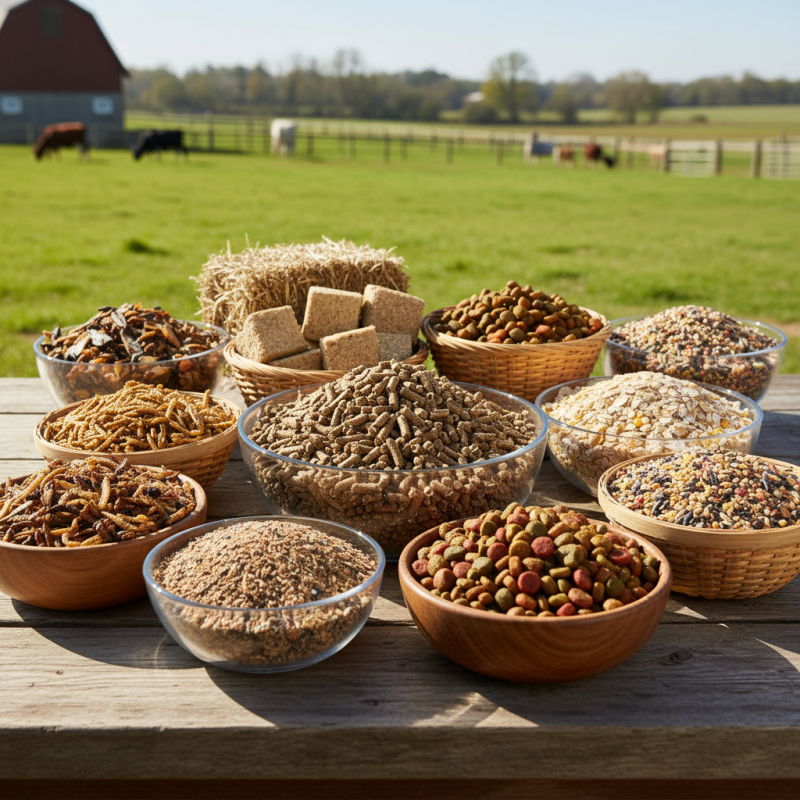
Understanding the Nutritional Needs of Different Animals
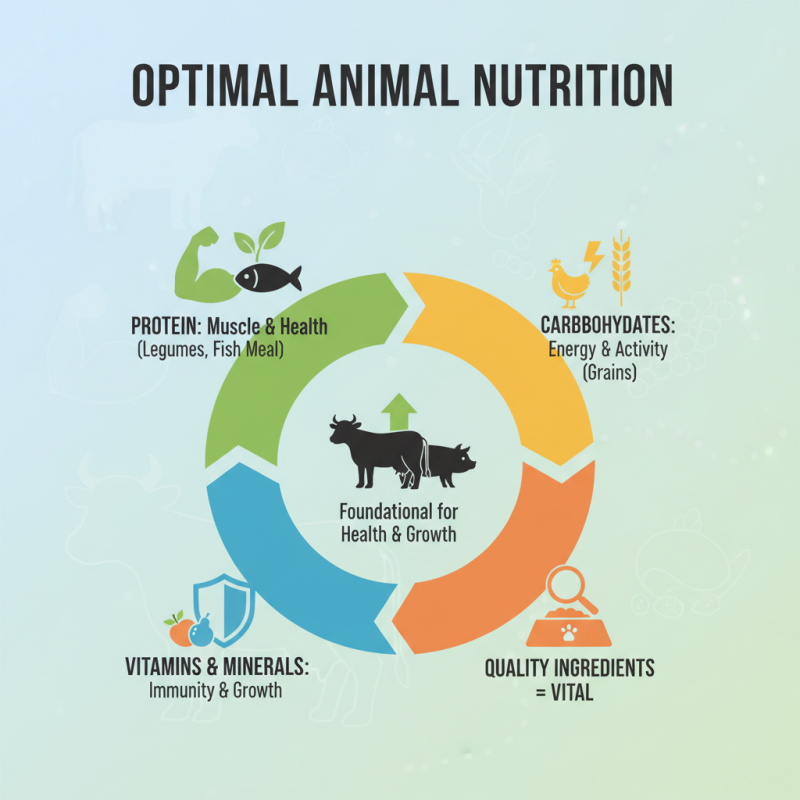
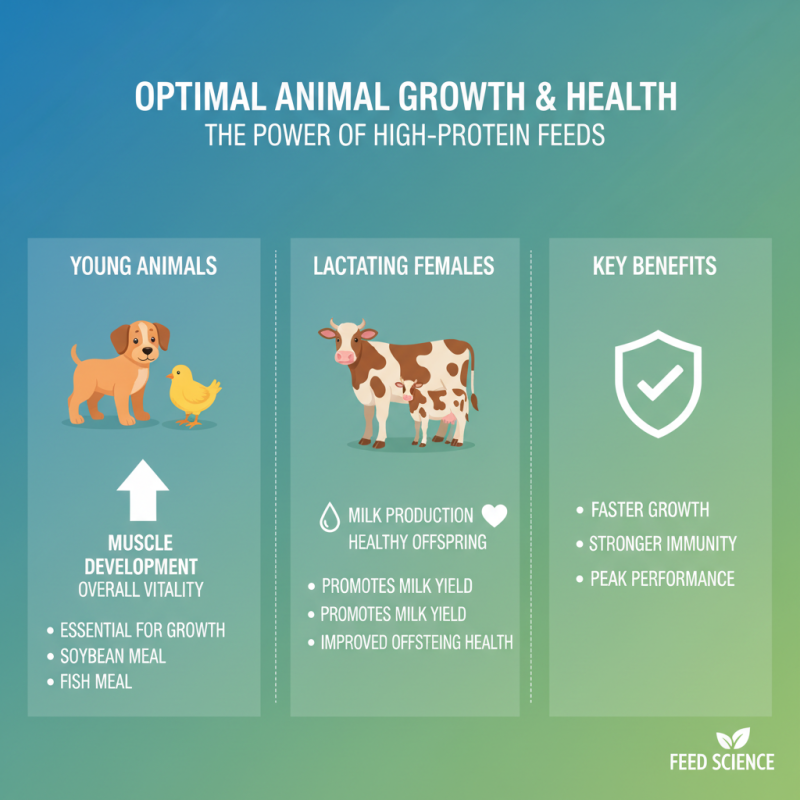
Understanding the nutritional needs of animals is crucial for their optimal growth and health. Different species have unique dietary requirements influenced by their age, size, and purpose, whether for companionship, work, or food production. According to a report by the Animal Nutrition Alliance, protein, carbohydrates, vitamins, and minerals are key components in formulating an effective diet. For instance, young animals typically require higher protein levels to support rapid growth, while adult animals may need balanced nutrients to maintain their health and productivity.
Tips: Always assess the quality of the feed ingredients. Whole grains, high-quality forage, and balanced premixes promote better absorption of nutrients, leading to improved overall health. Regular consultation with a veterinarian or an animal nutritionist can help tailor diets to meet specific needs.
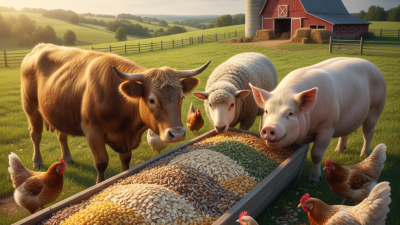
Furthermore, specialized requirements exist for certain animals. For example, ruminants like cows and sheep thrive on fibrous feeds that support their digestive processes, while monogastric animals like pigs and chickens require easily digestible protein sources. Adhering to these guidelines enhances feed efficiency and minimizes health issues. Nutritional imbalances can lead to diseases like metabolic disorders and increased susceptibility to infections, emphasizing the need for well-researched feeding practices in livestock management.
Tips: Supplementing with probiotics and prebiotics can further enhance gut health and nutrient absorption, providing additional support during critical growth phases or stress periods. Regular monitoring of body condition and feed intake can ensure that nutritional needs are being adequately met.
Types of Animal Feed: A Comprehensive Overview
When it comes to animal feed, understanding the various types available is essential for ensuring the optimal growth and health of livestock. Animal feed is broadly categorized into several types: concentrated feeds, roughages, and supplements. Concentrated feeds, such as grains and protein meals, provide high energy and protein content, making them ideal for young animals or those in intensive production systems. These feeds are crucial for maximizing growth rates and overall productivity.
Roughages, on the other hand, include fibrous materials such as hay, silage, and pasture grasses. These types of feed are vital for ruminants, as they aid in digestion and provide necessary nutrients without overwhelming the animal's system. Incorporating roughages ensures that animals receive adequate fiber, which supports gut health and prevents digestive issues. Supplements are another critical category that enhance the nutritional profile of an animal’s diet, often containing vitamins, minerals, and amino acids tailored to meet specific dietary needs, particularly in situations where forage quality may be lacking.
By understanding these distinct types of animal feed, farmers and producers can make informed decisions about nutritional strategies that foster healthier animals and more sustainable agricultural practices. It's vital to consider not only the nutritional requirements of the animals but also the environmental impacts and the economic feasibility of the chosen feed types.
Evaluating Ingredients for Quality Animal Feed
When selecting animal feed, evaluating the quality of ingredients is essential for ensuring optimal growth and health. Ingredients like protein sources, carbohydrates, vitamins, and minerals play a critical role in livestock nutrition. High-quality proteins, such as those derived from legumes or fish meal, provide essential amino acids that are vital for muscle development and overall health. Carbohydrates from grains help supply energy, supporting daily activities and metabolic functions. Furthermore, a balanced mix of vitamins and minerals is crucial for preventing deficiencies that could compromise the animals' immune systems and growth rates.
Tips: Always opt for feed that lists specific ingredient types rather than generic terms. For example, "chicken meal" is more beneficial than "meat by-products" as it indicates a higher-quality protein source. Additionally, consider the nutritional profile of the feed to ensure it meets the specific needs of your animals based on their age, breed, and health requirements. Regularly consulting with a veterinarian or an animal nutritionist can help ensure you’re providing the most suitable feed for your livestock’s unique needs.
Another important aspect to consider is the sourcing of ingredients. Local sourcing can enhance freshness and reduce the risk of contamination. Furthermore, be aware of any additives included in the feed; while some are beneficial for digestion and overall health, others may be unnecessary or even harmful. Always research and ask questions about the feed composition to make informed decisions that contribute to the animals' well-being and productivity.
Best Practices for Feeding Animals for Optimal Health
Optimal animal health largely depends on the quality and formulation of their feed. According to a report by the Association of American Feed Control Officials (AAFCO), the right balance of nutrients, including proteins, vitamins, and minerals, is essential for ensuring that animals grow healthily and efficiently. Research indicates that livestock receiving nutritionally optimized feed have shown up to 25% better growth rates compared to those on standard feed. This underscores the importance of precision in feed formulation to align with the specific dietary needs of different species and production stages.
Best practices for feeding animals also emphasize the significance of regular monitoring and adjustments in feeding regimens. A study conducted by the National Animal Feed Alliance found that frequent evaluations of feed quality and animal health metrics can dramatically enhance both productivity and animal welfare. Key practices include offering feed that is appropriate for the age and size of the animals, ensuring a clean and hydrated environment, and implementing rotational grazing systems for herbivores. Maintaining a consistent feeding schedule can also significantly reduce stress levels in animals, leading to better growth outcomes and overall health. Following these best practices can help farmers achieve optimal results and ensure the sustainability of their livestock operations.
Top 10 Best Animal Feed Options for Optimal Growth and Health
| Feed Type |
Nutritional Benefits |
Best For |
Optimal Age |
| Pelleted Feed |
Balanced nutrients, easy digestion |
Cats, Dogs |
All ages |
| Grain Mix |
High energy, rich in carbohydrates |
Horses, Cattle |
Adults |
| Hay and Forage |
Rich in fiber, promotes digestion |
Rabbits, Guinea Pigs |
All ages |
| Animal-by-Products |
High in protein and essential fats |
Dogs, Cats |
Adults and Seniors |
| Fish Meal |
High in omega-3 fatty acids |
Poultry, Pigs |
All ages |
| Soybean Meal |
Excellent protein source |
Cattle, Swine |
All ages |
| Alfalfa Meal |
Rich in vitamins and minerals |
Horses, Rabbits |
All ages |
| Probiotics |
Supports gut health |
Dogs, Cats |
All ages |
| Specialty Diets |
Tailored nutrition for specific needs |
Pets with health issues |
All ages |
| Homemade Recipes |
Control over ingredients |
All animals |
Customizable for any age |