Top 5 Benefits of Using Bulk Feed for Sustainable Farming in 2025

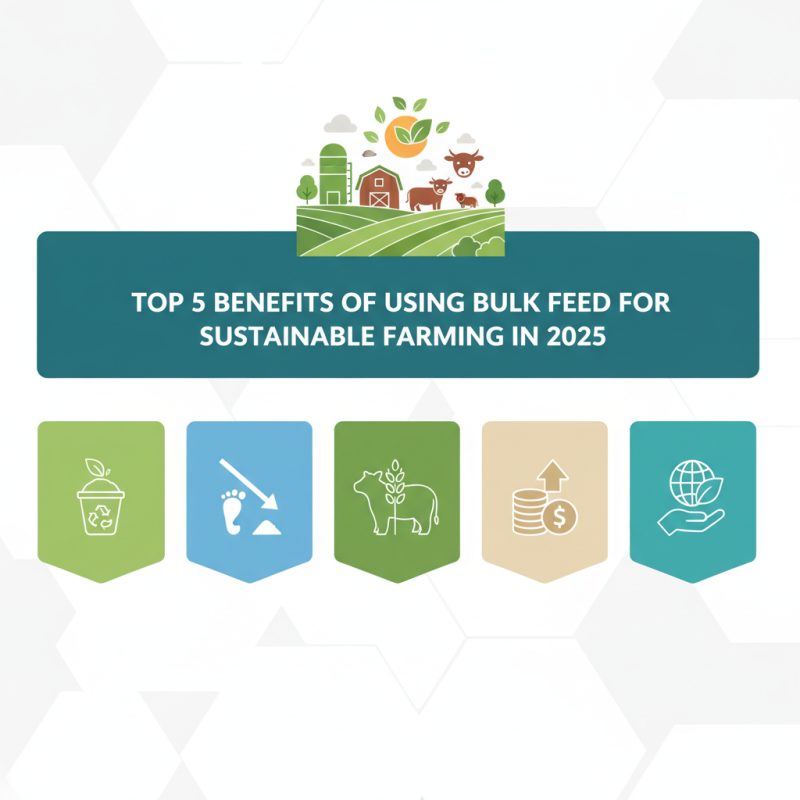
As the agricultural industry continues to evolve, sustainable farming practices are increasingly taking center stage. One of the most promising strategies for enhancing productivity while minimizing environmental impact is the adoption of bulk feed systems. By utilizing bulk feed, farmers can significantly reduce waste and promote a more resource-efficient approach to livestock nutrition. This article explores the top five benefits of using bulk feed for sustainable farming in 2025, highlighting its role in driving forward the sustainable agriculture movement.

In recent years, the demand for eco-friendly and sustainable farming practices has surged, leading to innovative solutions that prioritize both efficiency and environmental stewardship. Bulk feed stands out as a key component in this transformation, encouraging not just improved animal health but also fostering a reduction in carbon footprints associated with traditional feeding methods. As we delve into the various advantages of bulk feed, it becomes evident that this approach not only supports the well-being of livestock but also aligns seamlessly with the broader goals of sustainability in agriculture. By understanding the multifaceted benefits of bulk feed, farmers can make informed decisions that contribute to both profitability and the preservation of natural resources for future generations.
Top 5 Benefits of Using Bulk Feed for Sustainable Farming in 2025

Understanding Bulk Feed and Its Role in Sustainable Farming
Top 5 Benefits of Using Bulk Feed for Sustainable Farming in 2025

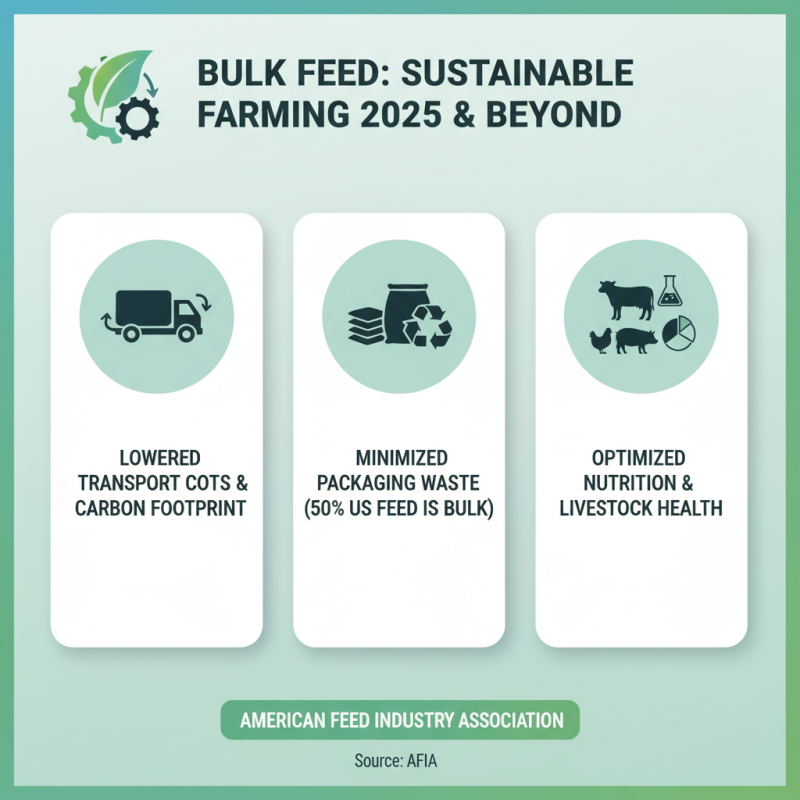
Bulk feed plays a critical role in sustainable farming, particularly as we move toward 2025 and beyond. By utilizing bulk feed, farmers can optimize the nutritional needs of their livestock while minimizing waste. According to the American Feed Industry Association, over 50% of the total feed consumed in the U.S. is purchased in bulk. This not only reduces packaging waste but also lowers transportation costs, significantly decreasing the carbon footprint associated with feed production. Furthermore, bulk feed allows for a more accurate formulation of diets, ensuring that livestock receive balanced nutrition, which can enhance their overall health and productivity.

As sustainable practices gain traction in the agricultural sector, the efficient use of bulk feed aligns with goals of resource conservation. A study by the Food and Agriculture Organization estimated that integrating alternative feed resources into bulk feeding strategies could reduce feed costs by up to 30%, significantly impacting the economic sustainability of farming operations. Moreover, by reducing reliance on individual feed bags, farmers can minimize storage space and labor costs, ultimately leading to a more streamlined and efficient production process. This shift towards bulk feed is vital for meeting the increasing demand for sustainable food sources as the global population continues to rise, reinforcing the importance of innovating in agricultural supply chains.

Environmental Benefits of Using Bulk Feed in Agriculture

The adoption of bulk feed in agriculture has significant environmental benefits that align well with sustainable farming practices. According to a report by the Food and Agriculture Organization (FAO), the livestock sector contributes to approximately 14.5% of global greenhouse gas emissions. By utilizing bulk feed, farmers can minimize waste and improve feed efficiency, ultimately reducing their carbon footprint. Studies indicate that bulk feeding systems can lead to a 20% reduction in feed-related emissions, as they facilitate better ingredient management and decreased reliance on packaged feeds.

Additionally, bulk feed systems can significantly lower water usage associated with agricultural practices. A study from the Water Research Institute reveals that leveraging bulk feed can reduce water consumption in livestock production by up to 30%. This reduction is attributed to the efficient delivery of feed without the need for excessive packaging and transportation, which often strains water resources. Furthermore, the switch to bulk feed can limit the amount of plastic waste generated, addressing the critical issue of agricultural plastic pollution. As farmers increasingly recognize these benefits, the shift towards bulk feed presents a compelling opportunity to enhance sustainability in agriculture.

Economic Advantages of Bulk Feed for Farmers in 2025

The economic landscape for farmers in 2025 is evolving, and bulk feed presents a significant opportunity for enhancing profitability.

One of the primary economic advantages is the reduction in feed costs. By purchasing feed in bulk, farmers can take advantage of lower prices per unit compared to standard packaging. This bulk purchasing not only leads to immediate savings but also offers long-term stability, allowing farmers to better forecast and manage their operational costs.

Additionally, bulk feed minimizes waste and inefficiencies associated with traditional feed storage. When feed is delivered in larger quantities, farmers can optimize their storage solutions, leading to reduced spoilage and improved inventory management. With the advancements in logistics and transportation, securing quality bulk feed has become more accessible, further increasing the potential for cost savings.

This streamlined approach fosters a healthier cash flow, enabling farmers to reinvest in other critical areas of their operations and contribute to the overall sustainability of their farming practices.

Nutritional Efficiency: How Bulk Feed Enhances Livestock Health

Bulk feed has emerged as a pivotal element in sustainable farming practices, particularly for enhancing livestock health through nutritional efficiency. By utilizing bulk feed, farmers can minimize waste and ensure that their livestock receive a consistent, high-quality diet tailored to their specific nutritional needs. This approach not only reduces feed costs but also fosters a more sustainable livestock management system by lowering the carbon footprint associated with packaging and transportation.

Furthermore, bulk feed allows for better control over the nutrient composition of livestock diets. With bulk delivery, farmers can incorporate a wide range of ingredients that are rich in essential vitamins and minerals, promoting optimal growth and overall health among animals. This tailored nutrition supports immune function, improves digestion, and enhances productivity, resulting in healthier livestock that can thrive in diverse environments. Moreover, by establishing a direct connection to suppliers, farmers can access fresher feed that retains its nutritional value longer, ultimately leading to improved livestock performance and sustainability in farming operations.

Top 5 Benefits of Using Bulk Feed for Sustainable Farming in 2025 - Nutritional Efficiency: How Bulk Feed Enhances Livestock Health

Benefit Description Impact on Livestock Health Environmental Effect
Cost Efficiency Bulk feed reduces costs related to feed purchasing and transportation. Improved weight gain due to consistent diet. Lower carbon footprint from reduced transport.
Nutritional Balance Allows for the precise formulation of nutrient-rich feeds. Enhances immune response and overall health. Utilization of local ingredients reduces dependency on imports.
Reduced Waste Bulk feed minimizes packaging waste associated with smaller feed purchases. Less feed spoilage leads to better nutrition. Promotes sustainability by reducing landfill waste.
Consistency in Diet Maintaining uniformity in feed quality supports better livestock performance. Contributes to stable growth rates and reproductive performance. Supports the use of sustainable agricultural practices.
Enhanced Digestibility Bulk feeds can be formulated for optimal digestion and nutrient absorption. Promotes better feed conversion ratios, leading to healthier livestock. Minimizes environmental impact through efficient nutrient use.

Implementing Bulk Feed Systems: Best Practices for Sustainable Farming

Implementing bulk feed systems in sustainable farming offers numerous best practices that can enhance productivity while minimizing environmental impact. Research indicates that bulk feeding can reduce feed costs by 10-20%, which is crucial in an era where input costs are rising sharply. For instance, a report from the International Feed Industry Federation highlights that feed accounts for up to 70% of livestock production costs. Transitioning to bulk feed systems allows farmers to purchase in larger quantities, optimizing storage and reducing the frequency of deliveries, thereby resulting in significant logistic efficiencies.

Furthermore, adopting a bulk feed system can lead to better feed quality management, which ultimately benefits animal health and productivity. A study published by the Journal of Sustainable Agriculture found that proper storage and handling of bulk feed can decrease contamination risks, enhancing the nutritional value that livestock receive. As farmers implement best practices, such as regular monitoring of feed storage conditions and adopting a rotational system for feed usage, they can significantly mitigate spoilage and waste. This not only supports animal welfare but also aligns with sustainable farming goals, contributing to the overall resilience of the agricultural ecosystem in 2025 and beyond.