2026 Top Nutrition Feed Trends You Need to Know?
As we move into 2026, the landscape of nutrition feed is rapidly evolving. This shift is influenced by advancing technology, changing consumer expectations, and a growing awareness of sustainability. The focus is on enhancing the nutritional value of feed. This enhances animal health, growth, and productivity.
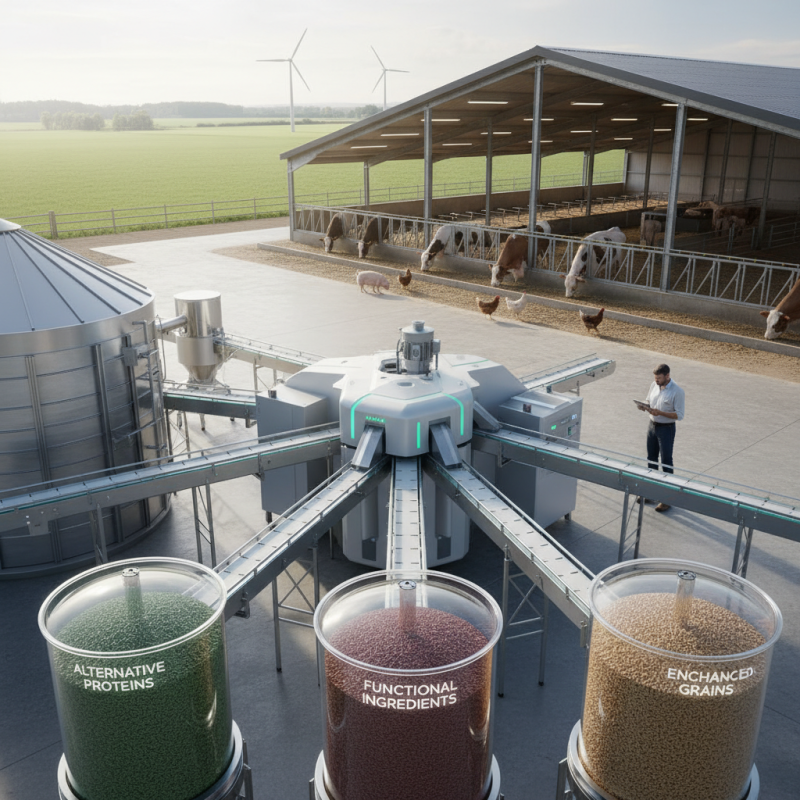
Understanding the latest trends in nutrition feed is crucial for anyone in the agricultural industry. Innovations such as alternative proteins and functional ingredients are gaining traction. These developments offer new opportunities but pose challenges as well. The need for balance between quality and cost remains a challenge for many producers.
There are essential aspects to consider. Trends may vary across regions. Not every innovation will suit every operation. Continual adaptation and critical evaluation of nutrition feed choices are vital. These factors will shape future feeding strategies, not just for 2026 but beyond. Embracing this forward-thinking approach is necessary for success.
Emerging Nutritional Ingredients Shaping 2026 Feed Trends
As we approach 2026, several nutritional ingredients are set to redefine feed trends. Recent reports indicate that plant-based proteins will dominate the market, driven by their sustainability and digestibility. Studies show that incorporating these ingredients can enhance feed efficiency by up to 15%. This shift reflects a growing demand for alternatives to traditional animal protein sources.
Emerging ingredients like algae and insect meal are gaining traction. Algae provides essential fatty acids and antioxidants, boosting animal health. Meanwhile, insect meal is rich in protein and can reduce feed costs significantly. According to industry analysts, insect protein can be produced with 80% less land than conventional sources. However, the adoption rate remains uneven. Many farmers hesitate due to existing infrastructure and knowledge gaps.
Furthermore, innovations in micronutrient delivery systems are notable. They enhance the bioavailability of vitamins and minerals. Yet, implementing these systems is not without challenges. A lack of standardized practices may lead to inconsistent results. Producers must remain vigilant and adaptive, thoroughly evaluating their feed formulations and ingredient sources to ensure optimal outcomes.
Sustainable Sourcing Practices in Animal Nutrition by 2026
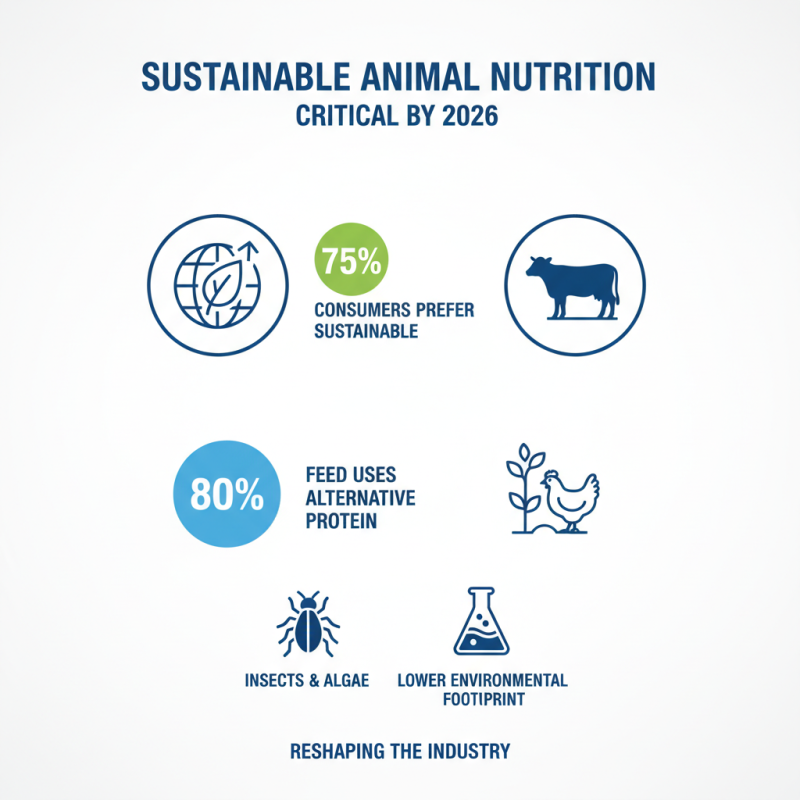
Sustainable sourcing in animal nutrition is critical by 2026. Reports indicate that over 75% of consumers prefer products from sustainable sources. This shift is reshaping the industry. For example, nearly 80% of livestock feed now incorporates alternative protein sources. These include insects and algae, which have a lower environmental footprint.
Challenges persist in implementing sustainable practices. Many producers struggle with higher costs associated with sustainable feed ingredients. Transitioning requires time and investment. Additionally, supply chain logistics can complicate access to these materials. A recent study highlighted that 60% of producers see these challenges as barriers to adopting sustainable methods.
Despite the difficulties, the long-term benefits are compelling. Sustainable sourcing can boost brand reputation and customer loyalty. A vision for 2026 includes greater transparency in sourcing practices. Optimizing feed production methods will reduce waste and enhance efficiency. As the industry evolves, the commitment to sustainable nutrition will become increasingly essential.
Technological Innovations Driving Nutrition Feed Development
Technological advancements are reshaping nutrition feed development in exciting ways. Innovations in biotechnology enable the creation of more effective feed ingredients. Researchers are exploring gene editing techniques to enhance nutrient absorption in livestock. This could lead to better growth rates and reduced environmental impact.
Automation is another key player in this transformation. Precision feeding systems utilize real-time data to optimize feed mixtures. These systems can analyze an animal's health and performance, tailoring nutrition accordingly. However, the reliance on technology raises questions about accessibility and cost. Not all farms can afford these advanced solutions.
Moreover, there is a push for sustainable practices. Alternative protein sources, such as insects and algae, are gaining traction. They promise high nutritional value with a lower carbon footprint. Yet, challenges remain in consumer acceptance and regulatory hurdles. Balancing innovation with practicality is essential for the future of nutrition feed.
Consumer Demands Impacting Feed Formulation Trends
Consumer demands are reshaping the landscape of feed formulation. People are increasingly focused on sustainability. This shift is driving companies to rethink their ingredient sources. Natural and organic ingredients have taken center stage. These preferences push for transparency in sourcing.
Higher nutritional value is another key factor. Consumers are seeking feeds that enhance animal health. This demand results in innovative formulations. Nutrient-rich feeds can improve growth and productivity. However, not every ingredient meets quality standards. Companies must constantly evaluate their options.
The trend also highlights the importance of animal welfare. Ethical practices are becoming vital for brand loyalty. Consumers want to ensure animals are treated humanely. Yet, achieving these standards can be challenging. Balancing cost and quality requires careful oversight. Building trust in the supply chain is essential for success.
2026 Top Nutrition Feed Trends
This chart illustrates the key nutrition feed trends for 2026 and their corresponding consumer interest percentages. The data highlights the growing demand for plant-based proteins and nutritional additives, reflecting a shift towards sustainability and health in feed formulation.